Week 38: Superfoods

What are “superfoods?” There isn’t a real definition for this term, but they are understood to be foods which contain high levels of vitamins, minerals and antioxidants – the ones you need to add to your diet to boost your immune system, trim your waistline and start the year off right.

We are all familiar with vitamins and minerals. Antioxidants are molecules which protect the cells in the body from harmful free radicals. These free radicals come from sources such as cigarette smoke and alcohol, and are also produced naturally in the body during metabolism. Too many free radicals in the body can result in oxidative stress which, in turn, causes cell damage that can lead to age-related diseases like cancer, diabetes, and heart disease.

Here are 16 superfoods you should add to your diet:

almonds

Almonds

These energy-rich snacks lower bad cholesterol, thanks to plant sterols, and benefit diabetics by lowering blood sugar. They’re also rich in amino acids, which bolster testosterone levels and muscle growth.


Apples

Apples contain a flavonoid called quercetin, an antioxidant that may reduce the risk of lung cancer. Quercetin also reduces swelling of all kinds, reduces the risk of allergies, heart attack, Alzheimer’s, Parkinson’s, and prostate cancer.

 avocado

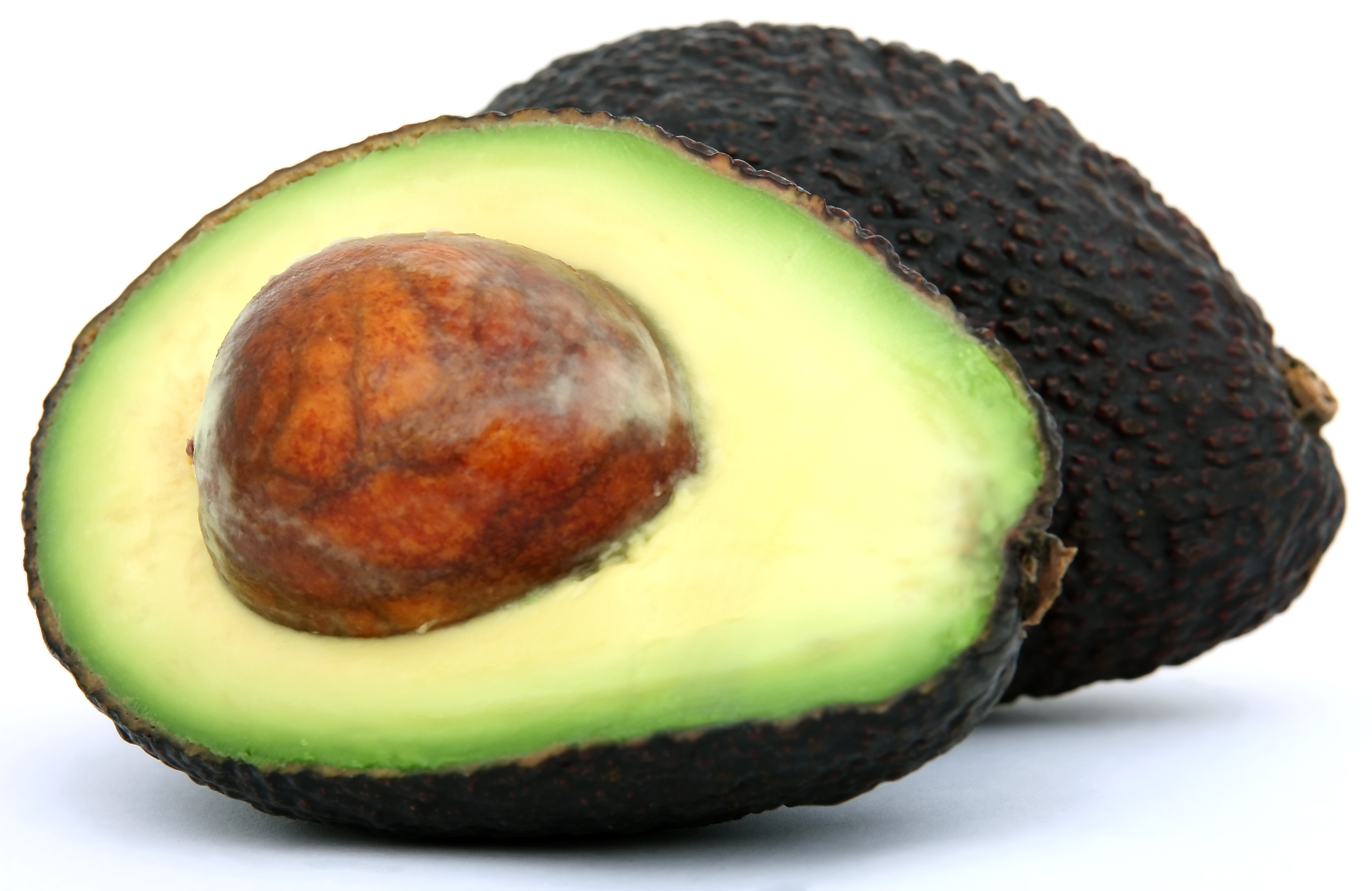
Avocadoes

The myriad of healthy fats and nutrients found in avocados – oleic acid, lutein, folate, vitamin E, monounsaturated fats and glutathione among them – keeps you satisfied and helps you absorb other nutrients. They can help protect your body from heart disease, cancer, degenerative eye and brain diseases.

 black beans

Black Beans

A cup of black beans packs 15 grams of protein, with none of the artery-clogging saturated fat found in meat. Plus, they’re full of heart-healthy fiber, antioxidants that help your arteries stay relaxed and pliable, and energy-boosting iron. Beans help raise levels of the hormone leptin which curbs appetite. They also deliver a powerful combination of B vitamins, calcium, potassium and folate. All of this good stuff will help maintain healthy brain, cell and skin function and even helps to reduce blood pressure and stroke risk.


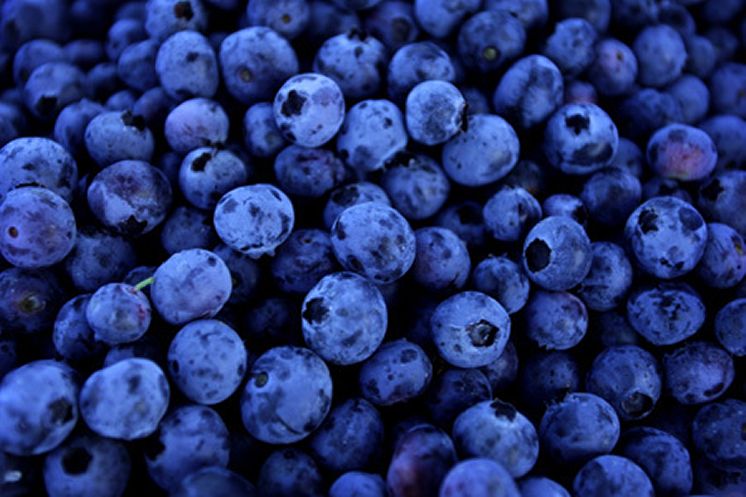
Blueberries

Blueberries are full of phytonutrients that neutralize free radicals (agents that cause aging and cell damage). The antioxidants in these berries may also protect against cancer and reduce the effects of age-related conditions such as Alzheimer’s disease or dementia. They improve memory by protecting your brain from inflammation and boosting communication between brain cells. Blueberries have the power to help prevent serious diseases like cancer, diabetes, heart disease, stomach ulcers and high blood pressure and can reduce “bad” cholesterol.

Broccoli

Cruciferous vegetables like broccoli contain phytonutrients that may suppress the growth of tumors and reduce cancer risk. One cup of this veggie powerhouse will supply you with your daily dose of immunity-boosting vitamin C and a large percentage of folic acid.

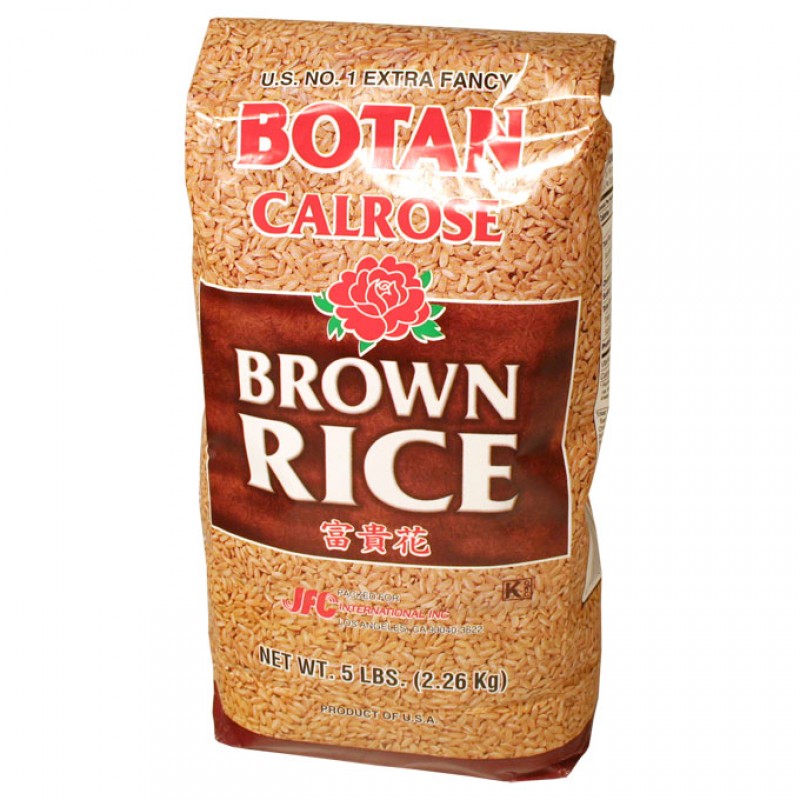
Brown Rice

Brown rice is a good source of magnesium, a mineral your body uses for more than 300 chemical reactions (such as building bones and converting food to energy).

Edamame

One cup has an amazing 22 grams of plant protein, as well as lots of fiber, folate and cholesterol-lowering phytosterols.

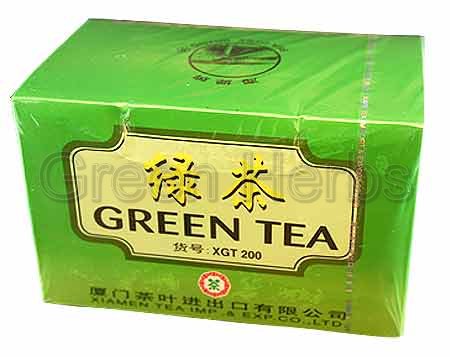
Green Tea

Green tea has been used in traditional Chinese medicine for centuries to treat everything from headaches to depression. The leaves are supposedly richer in antioxidants than other types of tea because of the way they are processed. Green tea contains B vitamins, folate (naturally occurring folic acid), manganese, potassium, magnesium, caffeine and other antioxidants, notably catechins. Drinking green tea regularly is alleged to boost weight loss, reduce cholesterol, combat cardiovascular disease, and prevent cancer and Alzheimer’s disease.

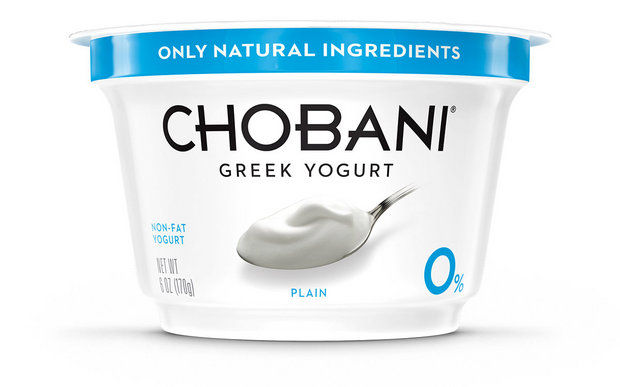
Greek Yogurt

Yogurt is low in calories, packed with calcium and live bacterial cultures. But Greek yogurt – which is strained extensively to remove much of the liquid whey, lactose, and sugar, giving it its thick consistency—does have an undeniable edge. In roughly the same amount of calories, it can pack up to double the protein, while cutting sugar content by half.

Kale

Kale contains a type of phytonutrient that appears to lessen the occurrence of a wide variety of cancers, including breast and ovarian. Though scientists are still studying why this happens, they believe the phytonutrients in kale trigger the liver to produce enzymes that neutralize potentially cancer-causing substances.

Oats

Full of fiber, oats are a rich source of magnesium, potassium, and phytonutrients. They contain a special type of fiber that helps to lower cholesterol and prevent heart disease. Magnesium works to regulate blood-sugar levels, and research suggests that eating whole-grain oats may reduce the risk of type 2 diabetes.

Salmon

Salmon contains omega-3 fatty acids, which the body cannot produce by itself. These fatty acids reduce inflammation, improve circulation, increase the ratio of good to bad cholesterol, protect against macular degeneration, depression, cognitive decline and may slash cancer risk. Salmon is also a rich source of selenium, which helps prevent cell damage, and several B vitamins and vitamin D.

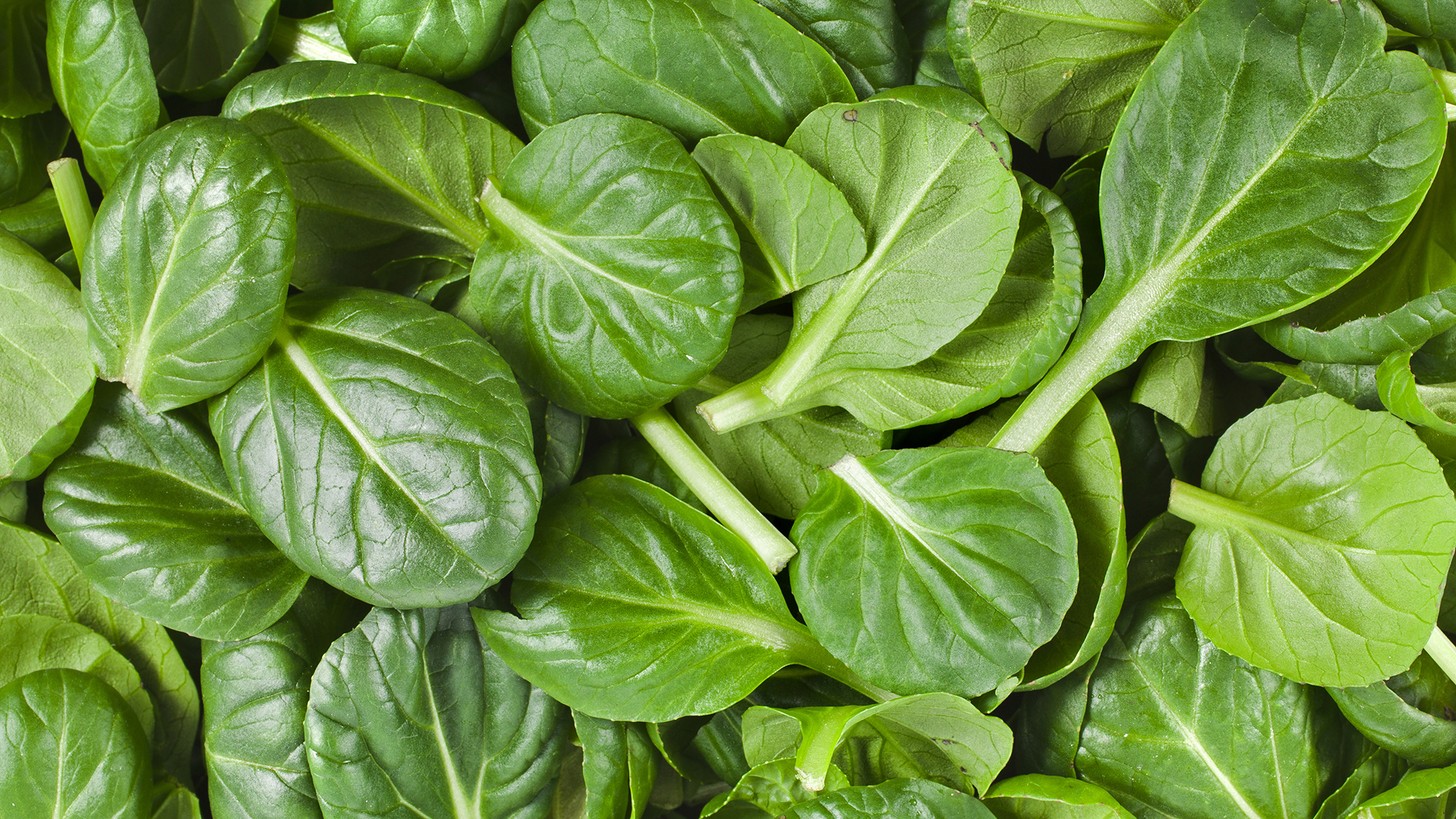
Spinach

A half-cup provides more than five times your daily dose of vitamin K, which helps blood clot and builds strong bones.

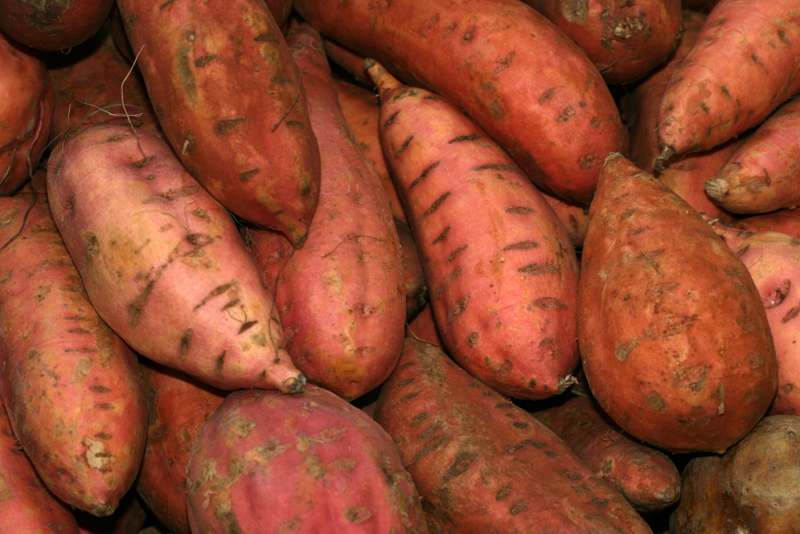
Sweet Potatoes

Half of a large baked sweet potato delivers more than 450% of your daily dose of vitamin A, which protects your vision and your immune system. This tuber is one of the healthiest foods on the planet. In addition to countering the effects of secondhand smoke and preventing diabetes, sweet potatoes contain glutathione, an antioxidant that can enhance nutrient metabolism and immune-system health, as well as protect against Alzheimer’s, Parkinson’s, liver disease, cystic fibrosis, HIV, cancer, heart attack, and stroke.


Tomatoes

Tomatoes contain lycopene, an antioxidant rarely found in other foods. Studies suggest that it could protect the skin against harmful UV rays, prevent certain cancers, and lower cholesterol. Plus, tomatoes contain high amounts of potassium, fiber, and vitamin C.

Resources

www.drfranklipman.com

www.health.com

www.health.usnews.com

www.menshealth.com

www.realsimple.com

www.webmd.com

www.womansday.com

Chocolate Mint Truffles

These chocolate truffles are sinfully rich and delicious.

dark-chocolate-truffles

Ingredients:

12 oz. semi-sweet chocolate

½ c. heavy cream

2 T. butter

¾ c. powdered sugar

2 egg yolks

¾ t. peppermint extract

Unsweetened cocoa

Directions:

Sift powdered sugar and combine with chocolate, heavy cream, butter and egg yolks over low heat. Whisk constantly until smooth and chocolate has melted. Remove from heat and stir in peppermint extract. Chill 3-4 hours until firm enough to handle. Shape into small balls and roll in cocoa. Refrigerate until ready to serve. Makes: 36

Week 37: Chocolate

The t-shirt I wear to the gym says “Will Exercise for Chocolate,” and it exposes one of my indulgences. Who can resist the rich, velvety taste of a bite of chocolate? With Valentine’s Day fast approaching (believe it or not, Valentine’s cards are already on sale), it’s time to learn more about chocolate.

cocoa pods

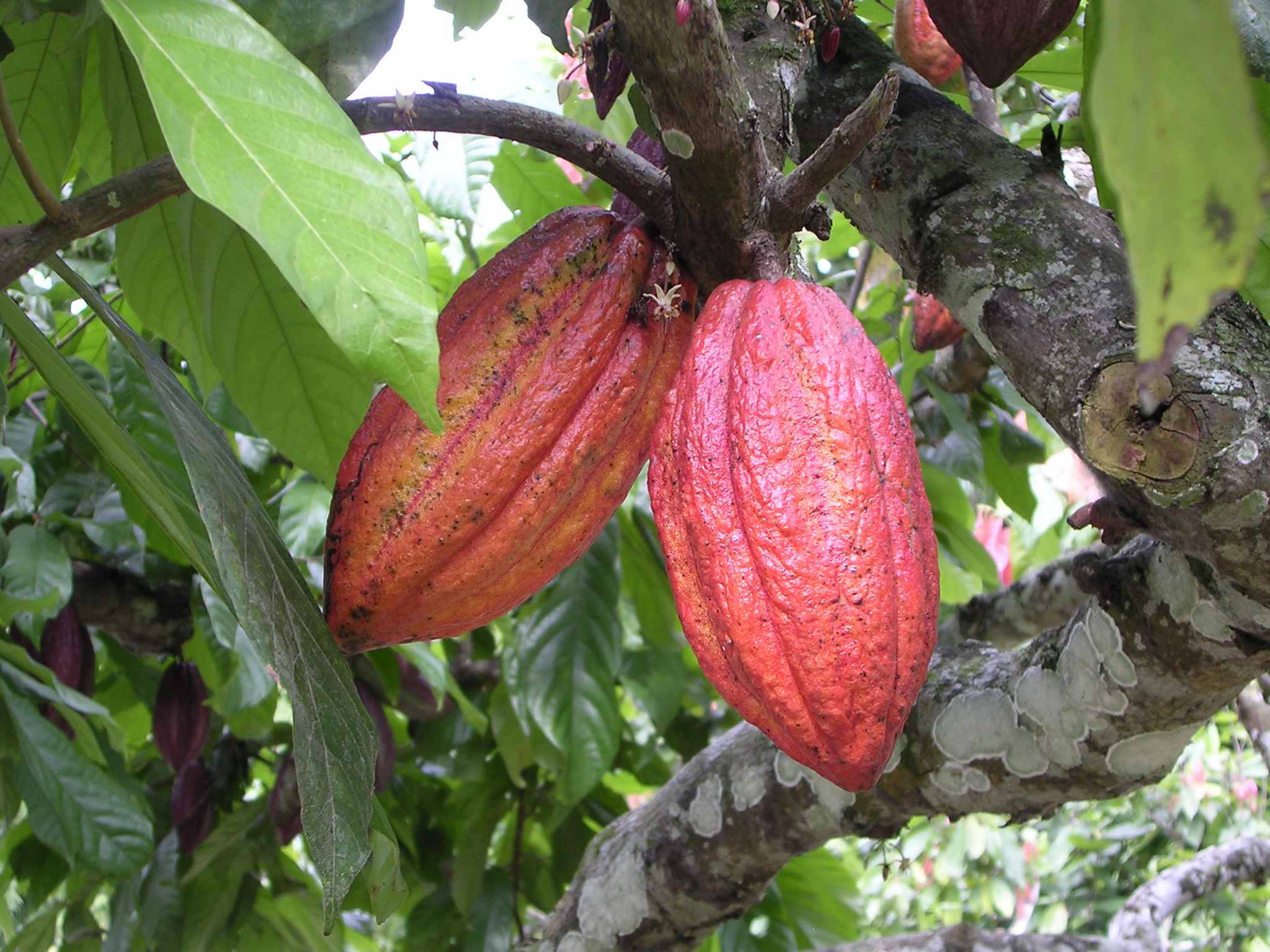
Chocolate comes from the fruit of the cacao tree. The fruit of the tree grows as a pod, similar in size to a deflated football, off the main trunk of the tree. The trees can grow anywhere from 25 to 50 feet tall. Once harvested, each pod is cut open to reveal a milky white or pastel-hued pulp with 25-50 beans per pod embedded within. The majority of cacao trees grow within rain forests where the climate is very warm and humid and the fragile younger trees are sheltered from the strong, direct sunshine of the tropics. Once the trees are 5 to 8 years old, they can handle the direct sunlight without a problem, but seedlings often have to be shaded with banana leaves in areas of deforestation until they are older.

History

Historians agree that the earliest evidence of chocolate can be traced back to Indian tribes in Mexico and Central America around 1900 B.C. At first only the milky pulp surrounding the beans from the cacao pod was used as a drink called “cupuacu.” Later they discovered that roasting the beans over an open fire created a delicious treat. Roasted cacao beans began to be traded as legal currency – a pumpkin was 4 cacao beans, a rabbit was 10 cacao beans, a turkey was 100 beans, an avocado was 3 beans, and a slave could be purchased for 10 cacao beans! The Aztecs and pulverized cacao into a drink which they blended with water using a tool called a “molinillo” which is a wooden staff with decorated mixing rings. This blending tool is still used today in nearly every Latin American country. Cortes discovered the drink the Indians called “xocolatl” which was often spiced with chile, nuts or other spices and brought it back to Spain with him. This popular drink soon spread from Spain throughout Europe. The first full-scale, relatively modern chocolate factory was set up in Britain in 1728. The Dutch are credited with the method for separating the cacao mass from cacao butter, producing what we know as cocoa powder, and the Swiss developed the first modern bar of chocolate in 1819. In the mid-1870s they incorporated dry milk powder into chocolate creating the first milk chocolate. A Belgian manufacturer developed a technique for making pralines, or dipped and filled chocolates, in 1912. Just a few years later, in the United States, the Milky Way bar was developed by the Mars Corporation and thin quickly followed by the Mars Bar. Milton Hershey was the first person to put nuts in candy bars and added vegetable fats so combat troops could take chocolate bars into warm climates without having them melt. The Hershey factory is the largest chocolate manufacturing plant in the world, and the Hershey Bar is the best-selling chocolate bar in the world today.

Cocoa-Beans1

Harvesting and Processing

There are three main varieties of cacao: forestero, criollo and trinitario. Forestero is the most common and prolific due to its hardiness and resistance to diseases and pests. They are grown primarily in Africa, which accounts for about 70 percent of the world’s production of cacao. Stout and tannic forester beans are fermented for about a week to mello them.

Criollo beans are considered the highest grade and are used for top-quality chocolate blends and for many single-bean chocolates. The criollo has a more elongated pod which is low yielding and vulnerable to disease. They are low in astringency and require less fermentation, only about 3 days. Criollo beans account for only about 5 percent of the world’s cacao production.

Trinitario cacao is a hybrid of forester and criollo and was created on the island of Trinidad. The best trinitario beans are from Trinidad, of course, or Java.

I had the opportunity to visit Belize many years ago and see the cacao beans harvested and fermented. Cacao trees are too fragile for workers to climb, so harvesting cacao beans is done from the ground using “tumadores” or special, machete like blades on long handles. Then the pods are sliced open and fermented. The cacao beans and their gluey pulp are placed in pits dug in the earth or in wooden crates, covered with banana leaves and left to ferment. Fermentation turns the sugars into acids and changes the color of the beans from a pale color to a deep, rich brown. Once fermented, the beans are sun dried or dried using heater to prevent mold growth. They are manually raked and turned daily to dry out the moisture content. This takes about a week and then they are packed into canvas or plastic woven sacks for shipping.

At their various factory destinations, they are unloaded and sorted for leaves and foreign matter. Next they are roasted to a temperature between 210 to 290 degrees F. Quickly cooled, they are passed through a winnower which cracks the dusky outer shells and blows them away. The inner bean is crushed into smaller pieces called “nibs” to be made into chocolate. The nibs, about 50 percent fat) are crushed into a paste called “chocolate liquor” although it contains no alcohol. This process is called “conching.” Unsweetend or bitter chocolate is referred to as pure chocolate liquor and is usually sold in bars for baking. As the cacao paste is kneaded smooth, cocoa butter and coarse sugar are blended to make bittersweet or semisweet chocolate. Milk chocolate is made by kneading in dried milk solids or milk powder. “White chocolate” contains cocoa butter, sugar, and milk, but no cocoa solids.

The percentage of cacao or cocoa listed on a label – for example in baking chocolate – refers to the combined percentage of cacao solids and cacao butter in the product, not just cacao solids.

What is “tempering?”

Chocolate is composed of cocoa fat and sugar crystals. Before melted chocolate is cooled and solidified, the fat needs to be emulsified, otherwise the fat will rise to the surface and cause gray streaks. Tempering is a process which raises the temperature at which chocolate melts and also gives it a “snap” when it is broken. Tempered chocolate shrinks slightly, allowing chocolatiers to remove chocolate from molds.

Health Benefits

Centuries ago, cacao was used as a disinfectant, to alleviate apathy and the milky white pulp was used to facilitate birth. Chocolate is high in antioxidants and is an excellent source of calcium, magnesium and iron. Studies have shown that chocolate contains serotonin and some chemicals, like phenylethylamine (PEA), that are similar to components found in the drugs ecstasy and marijuana. People with depression tend to consume more chocolate than others, perhaps due to these chemicals. PEA has a similar effect on the chemistry of the brain to what we experience when we fall in love.

A 3.5 ounce serving of milk chocolate, however, contains 540 calories, 29.7 grams of fat, and 51.5 grams of sugar.

Storing Chocolate

Chocolate is very sensitive to temperature and humidity and thus should be stored around 60oF with a relative humidity of less than 50 percent. It should also be stored away from other foods, as it can absorb different aromas. “Blooming” can occur if chocolate is stored or served improperly. Fat bloom is caused by storage temperature fluctuating or exceeding 75.2oF, while sugar bloom is caused by temperature below 59 °F or excess humidity. To distinguish between different types of bloom, one can rub the surface of the chocolate lightly, and if the bloom disappears, it is fat bloom. Although visually unappealing, chocolate exhibiting bloom is perfectly safe to eat.

Resources

Desaulniers, Marcel. Death by Chocolate.

Lebovitz, David. The Great Book of Chocolate.

http://www.wikipedia.com


History

Historians agree that the earliest evidence of chocolate can be traced back to Indian tribes in Mexico and Central America around 1900 B.C. At first only the milky pulp surrounding the beans from the cacao pod was used as a drink called “cupuacu.” Later they discovered that roasting the beans over an open fire created a delicious treat. Roasted cacao beans began to be traded as legal currency – a pumpkin was 4 cacao beans, a rabbit was 10 cacao beans, a turkey was 100 beans, an avocado was 3 beans, and a slave could be purchased for 10 cacao beans! The Aztecs and pulverized cacao into a drink which they blended with water using a tool called a “molinillo” which is a wooden staff with decorated mixing rings. This blending tool is still used today in nearly every Latin American country. Cortes discovered the drink the Indians called “xocolatl” which was often spiced with chile, nuts or other spices and brought it back to Spain with him. This popular drink soon spread from Spain throughout Europe. The first full-scale, relatively modern chocolate factory was set up in Britain in 1728. The Dutch are credited with the method for separating the cacao mass from cacao butter, producing what we know as cocoa powder, and the Swiss developed the first modern bar of chocolate in 1819. In the mid-1870s they incorporated dry milk powder into chocolate creating the first milk chocolate. A Belgian manufacturer developed a technique for making pralines, or dipped and filled chocolates, in 1912. Just a few years later, in the United States, the Milky Way bar was developed by the Mars Corporation and thin quickly followed by the Mars Bar. Milton Hershey was the first person to put nuts in candy bars and added vegetable fats so combat troops could take chocolate bars into warm climates without having them melt. The Hershey factory is the largest chocolate manufacturing plant in the world, and the Hershey Bar is the best-selling chocolate bar in the world today.


Harvesting and Processing


Chocolate comes from the fruit of the cacao tree. The fruit of the tree grows as a pod, similar in size to a deflated football, off the main trunk of the tree. The trees can grow anywhere from 25 to 50 feet tall. Once harvested, each pod is cut open to reveal a milky white or pastel-hued pulp with 25-50 beans per pod embedded within. The majority of cacao trees grow within rain forests where the climate is very warm and humid and the fragile younger trees are sheltered from the strong, direct sunshine of the tropics. Once the trees are 5 to 8 years old, they can handle the direct sunlight without a problem, but seedlings often have to be shaded with banana leaves in areas of deforestation until they are older. I had the opportunity to visit a chocolate factory in Belize many years ago, although it was less “factory” per se and more a collection of huts where the cacao beans were processed.


There are three main varieties of cacao: forestero, criollo and trinitario. Forestero is the most common and prolific due to its hardiness and resistance to diseases and pests. They are grown primarily in Africa, which accounts for about 70 percent of the world’s production of cacao. Stout and tannic forester beans are fermented for about a week to mello them.


Criollo beans are considered the highest grade and are used for top-quality chocolate blends and for many single-bean chocolates. The criollo has a more elongated pod which is low yielding and vulnerable to disease. They are low in astringency and require less fermentation, only about 3 days. Criollo beans account for only about 5 percent of the world’s cacao production.


Trinitario cacao is a hybrid of forester and criollo and was created on the island of Trinidad. The best trinitario beans are from Trinidad, of course, or Java.


Cacao trees are too fragile for workers to climb, so harvesting cacao beans is done from the ground using “tumadores” or special, machete like blades on long handles. Then the pods are sliced open and fermented. The cacao beans and their gluey pulp are placed in pits dug in the earth or in wooden crates, covered with banana leaves and left to ferment. Fermentation turns the sugars into acids and changes the color of the beans from a pale color to a deep, rich brown. Once fermented, the beans are sun dried or dried using heater to prevent mold growth. They are manually raked and turned daily to dry out the moisture content. This takes about a week and then they are packed into canvas or plastic woven sacks for shipping.


At their various factory destinations, they are unloaded and sorted for leaves and foreign matter. Next they are roasted to a temperature between 210 to 290 degrees F. Quickly cooled, they are passed through a winnower which cracks the dusky outer shells and blows them away. The inner bean is crushed into smaller pieces called “nibs” to be made into chocolate. The nibs, about 50 percent fat) are crushed into a paste called “chocolate liquor” although it contains no alcohol. This process is called “conching.” Unsweetend or bitter chocolate is referred to as pure chocolate liquor and is usually sold in bars for baking. As the cacao paste is kneaded smooth, cocoa butter and coarse sugar are blended to make bittersweet or semisweet chocolate. Milk chocolate is made by kneading in dried milk solids or milk powder. “White chocolate” contains cocoa butter, sugar, and milk, but no cocoa solids.


The percentage of cacao or cocoa listed on a label – for example in baking chocolate – refers to the combined percentage of cacao solids and cacao butter in the product, not just cacao solids.


What is “tempering?”


Chocolate is composed of cocoa fat and sugar crystals. Before melted chocolate is cooled and solidified, the fat needs to be emulsified, otherwise the fat will rise to the surface and cause gray streaks. Tempering is a process which raises the temperature at which chocolate melts and also gives it a “snap” when it is broken. Tempered chocolate shrinks slightly, allowing chocolatiers to remove chocolate from molds.


Health Benefits


Centuries ago, cacao was used as a disinfectant, to alleviate apathy and the milky white pulp was used to facilitate birth. Chocolate is high in antioxidants and is an excellent source of calcium, magnesium and iron. Studies have shown that chocolate contains serotonin and some chemicals, like phenylethylamine (PEA), that are similar to components found in the drugs ecstasy and marijuana. People with depression tend to consume more chocolate than others, perhaps due to these chemicals. PEA has a similar effect on the chemistry of the brain to what we experience when we fall in love.


A 3.5 ounce serving of milk chocolate, however, contains 540 calories, 29.7 grams of fat, and 51.5 grams of sugar.


Storing Chocolate

Chocolate is very sensitive to temperature and humidity and thus should be stored around 60oF with a relative humidity of less than 50 percent. It should also be stored away from other foods, as it can absorb different aromas. “Blooming” can occur if chocolate is stored or served improperly. Fat bloom is caused by storage temperature fluctuating or exceeding 75.2oF, while sugar bloom is caused by temperature below 59 °F or excess humidity. To distinguish between different types of bloom, one can rub the surface of the chocolate lightly, and if the bloom disappears, it is fat bloom. Although visually unappealing, chocolate exhibiting bloom is perfectly safe to eat.


Resources


Desaulniers, Marcel. Death by Chocolate.

Lebovitz, David. The Great Book of Chocolate.

http://www.wikipedia.com


ABC’s of Healthy Eating

Broccoli wreath

The Christmas season is a time of celebration with family and friends that often includes an abundance of festive food and beverages. One of the most frequent New Year’s resolutions that people make involves losing weight and exercising.  Rather than overindulging during the holidays, consider mindfulness to monitor what you consume.  When the New Year approaches, you won’t moan as much when you get on the scale!

A – Always be conscious of what you eat

B – Be patient – improving your fitness takes time

C – Calories do count

D – Desserts aren’t mandatory – but if you have a sweet tooth, try fresh fruit, a frozen juice pop, or yogurt

E – Eliminate or reduce consumption of “white” foods – sugar, pasta, potatoes, bread & rice

F – Food is just fuel for our body

G – Go easy on the alcohol, sugary soft drinks and high calorie coffee concoctions

H – Hydrate – drink lots of water

I – Imagine yourself at your ideal weight

J – Just do it

K – Keep healthy snacks in the house – olives, nuts, edamame, popcorn (without butter), pretzels

L – Lots of fresh vegetables add color and fiber to your meal

M- Mindfulness is the key to avoid overeating

N – No fried foods!

O – Organic is better

P – Portion size matters

Q – Quit eating at “fast food” establishments

R – Read the labels

S – Slow down when you eat – it takes 20 minutes for your body to signal that it’s full

T – Take time to taste the flavor and texture of your meal

U- Use a smaller plate

V – Vitamins and minerals are essential

W – Weigh yourself the same time every morning

X – Exercise burns calories – go to the gym or get out and walk

Y – YOU control the fork!

Z – Zesty foods satisfy – use more herbs and spices to add zip to your food

My cookbook is available to preorder!

Layout 1The Admiral’s Chef: Recipes from a Navy Wife’s World Travels https://www.amazon.com/dp/1937943291/ref=cm_sw_r_cp_awd_M5VzwbG6AC8RY

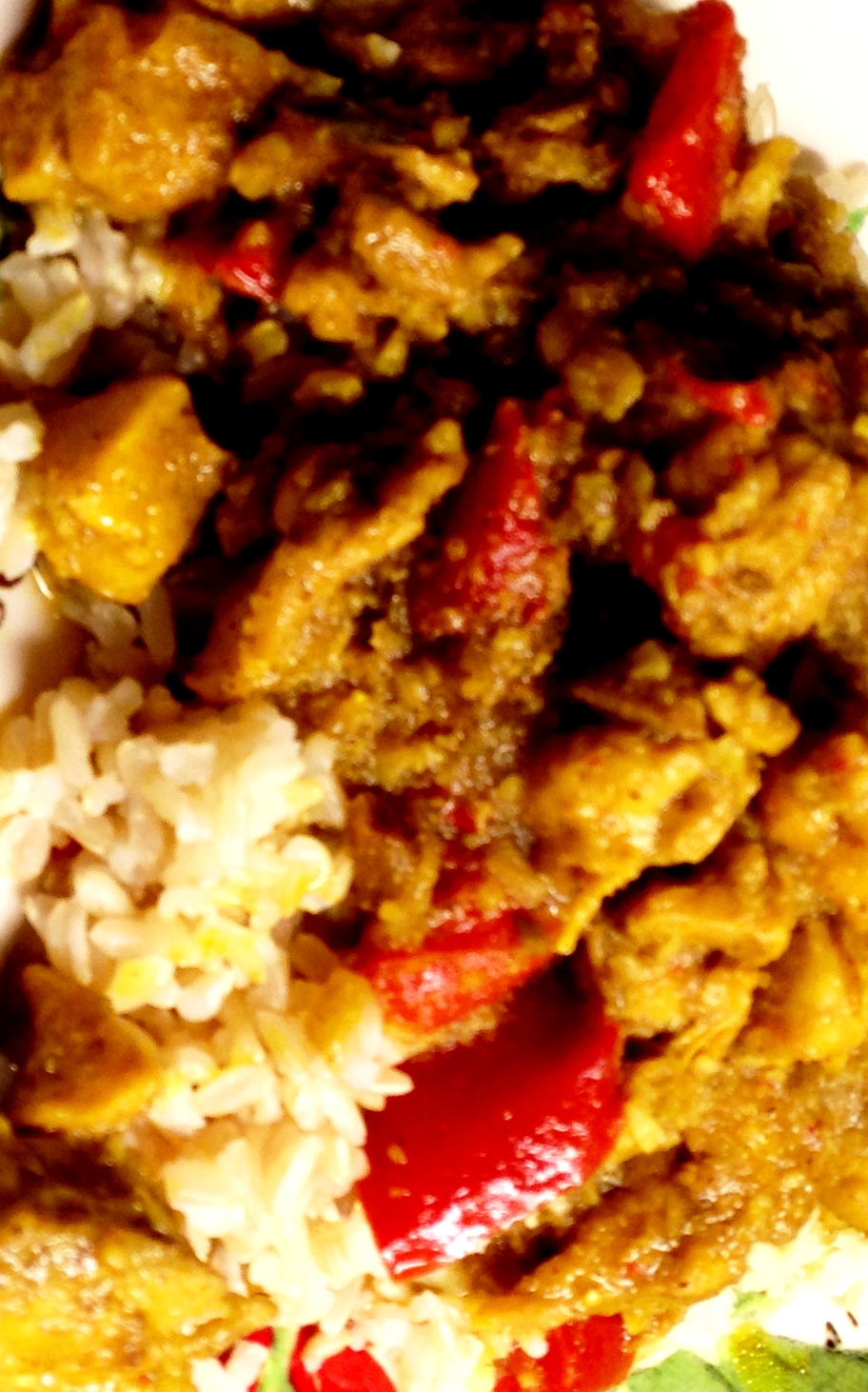
Curried Coconut Chicken

Curried coconut chicken2

Curried Coconut Chicken

Fragrant and packed with a hint of spiciness, this chicken recipe will satisfy on a cool evening. Serve over jasmine or Basmati rice and garnish with plain, nonfat yogurt or chutney.

Spice paste:

1 T. finely minced hot peppers or chilies

6 shallots, peeled and quartered

1 c. unsweetened flaked coconut

1/2  t. ground cloves

1 t. cinnamon

2 t. ground coriander

1/2 t. ground cardamom

2 t. fennel seeds

1 t. dried mustard

1 t. cumin seeds

1 t. turmeric

Chicken:

1/4 c. canola oil

2 cloves garlic, minced

2 T. peeled and minced fresh ginger root

1 large red onion, diced

1 large red bell pepper, diced

6-8 boneless, skinless chicken thighs, cut into bite-sized pieces

2 t. salt

2 T. apple cider vinegar

1 c. water

Directions:

Spice paste:  To toast coconut, place coconut flakes in a skillet over medium heat and stir until golden on the edges. Combine coconut and all other ingredients in a blender or food processor.  Add 4-5 T. of water and blend until a smooth paste forms.  Set aside.

Chicken:  Saute garlic, ginger root, onion and bell pepper in oil over medium heat until tender.  Add spice paste, chicken, salt, vinegar and water.  Bring chicken mixture to boil over medium high heat.  Cover and reduce heat to medium low.  Cook for 45 minutes until chicken is tender. Stir occasionally and add more water if necessary to keep it from sticking.   Serves 4-6.


Week 36: Curry

curry house

I read an article in the New York Times this past week that said Britons were troubled about a shortage of good curry chefs due to immigration restrictions (not against chefs, just limits on immigrants from India, Pakistan and Bangladesh).  Some British citizens feel that their national dish is not fish and chips with mushy peas, but rather a British colonial adaptation of chicken tikka masala – chunks of chicken in yogurt and spicy tomato paste. Nearly every village in the UK has at least one “curry house” so a shortage of chefs is perceived as a culinary crisis. In fact, curry is so important to the British that the UK celebrates National Curry Week each year, and it has its own committee in Parliament (the All Party Parliamentary Group of the Curry Catering Industry).

What is curry, really? The British use the term “curry” to refer to all Indian food.  Most people think of curry as a particular spice, but it is actually a spice blend. In the mid-1600s members of the British East India Company were trading with Kari (Indian) merchants along the southern Indian coast and were introduced to a spice blend used for making “kari” dishes called kari podi, or curry powder. Its primary ingredients were coriander, cumin and turmeric, which imparted a rich, golden color.

Recent research by anthropologists indicates that this distinctive spice blend has actually been around for 4,500 years. Scientists have found traces of cooked ginger and turmeric (which remain in use in curries such as lamb vindaloo today) in starch grains in human teeth and in a cooking pot found in the Indus Valley, home to one of the world’s first urban civilizations – along with those in Egypt and Mesopotamia – that extends across modern Pakistan and parts of India.

In Western cuisine, the curry powder we buy in the grocery store usually includes turmeric, chili, mustard, salt, pepper, fenugreek, cumin and coriander. Our son, Brian, spent a year working in Mumbai and had an opportunity to explore Indian cuisine.  He told me that “curry powder” doesn’t exist.  Instead, the Indians have masala, which is a  generic term used to describe any blend of spices in Indian cooking. Recipes vary by locale and from cook to cook. Some recipes are passed down from families, generation to generation. Masala can include up to 20 or more different spices and can be red, yellow, or brown.

Masala

“Curry” refers to the dish that you make with masala. Curries may contain fish, meat, poultry, or shellfish, and sometimes are completely vegetarian, like ones made with only lentils or cauliflower.

During the 19th century, curry was also carried to the Caribbean by Indian indentured workers in the British sugar industry. Since the mid-20th century, various types of curried dishes have appeared everywhere in global  cuisine  – from India and throughout  Asia  to North America, the Caribbean, Europe and Africa.

Health Benefits

Among the health benefits of curry is reducing inflammation of the joints. In fact, recent research shows that turmeric helped to prevent the swelling of joints in rats that had arthritis. And it’s not only arthritis that it may be helpful for. Other studies suggest that this powerful spice may also help protect us against cancer, heart disease and even Alzheimer’s disease.

In reference to Alzheimer’s. one test tube study showed that curcumin, a natural phenol responsibility for the yellow color in turmeric, may help clear the brain of protein deposits thought to cause Alzheimer’s. Another study of older men in Singapore found that those who ate a lot of curry performed better in memory tests.

At one of the world’s most renowned cancer centers, MD Anderson Center in Texas, animal studies have shown that curcumin seems to turn off genes that can trigger the onset and spread of breast cancer. In a human study, curcumin shows some promise, in a handful of patients, in stabilizing pancreatic cancer. As of June, 2015 the US National Institutes of Health register of clinical trials shows 116 clinical trials on humans evaluating the possible anti-disease effect of curcumin in treating cancer, gastrointestinal disease, cognitive disorders, and psychiatric conditions.

Resources

http://www.bbc.co.uk/food

http://www.clinicaltrials.gov

http://www.indepthinfo.com

http://www.nytimes.com

http://www.phoenixnewtimes.com
http://www.slate.com

http://www.smithsonianmag.com


Greek Baklava


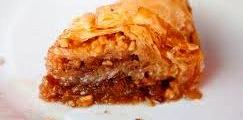
Baklava

Ingredients:

2 c. finely chopped almonds and walnuts

¾ c. sugar

3 T. cinnamon

1 lb. frozen phyllo pastry sheets

1 ½ c. plain bread crumbs

1 c. melted butter

2 c. water

4 c. sugar

1 cinnamon stick

Juice of one lemon


Directions:

Spread one sheet of phyllo in a buttered baking dish and brush with butter.  Sprinkle with bread crumbs.  Repeat with 7 more layers.  Add ½ of nut mixture.  Add 5 more layers brushing butter after each sheet of phyllo.  Add remaining nut mixture.  Add 7-8 more layers.  Brush top with melted butter and cut in long strips.  Then cut diagonally across the strips to make diamond shapes.  Bake at 350oF for 45 minutes.  Make syrup with butter, water, sugar, cinnamon stick and one lemon.  Remove baklava from oven and spoon syrup over while warm.  Serve at room temperature.

Week 35: Nuts

mixed nuts

The word “nut” refers to any fruit which is a hard-shelled, edible kernel.  Nuts used for culinary purposes, however, also include “seeds” which are not botanically true nuts, and are described as “large, oily kernels found within a shell.”  I’ll discuss other seeds, like pumpkin seeds, sunflower seeds and sesame seeds in a future post.

History

Nuts, including the wild almond, prickly water lily, acorns, pistachio and water chestnuts were a major part of the human diet 780,000 years ago. There is evidence that prehistoric humans developed an assortment of tools to crack open nuts during the Pleistocene period.

Nutrition

Nuts have been linked to lower cholesterol, better heart health, weight control and lower cancer risk. They do contain a relatively large quantity of calories, however. But they offer unsaturated and monounsaturated fats, vitamins, and essential amino acids. Many nuts are good sources of vitamin E, vitamin B2, folate, fiber, and the essential minerals magnesium, phosphorus, potassium, copper, and selenium.  They are most healthy in their raw unroasted form, as up to 15% of the fats are destroyed during the roasting process. Unroasted walnuts have twice as many antioxidants as other nuts or seeds. Nuts used for food, whether true nut or not, are among the most common food allergens.

almonds

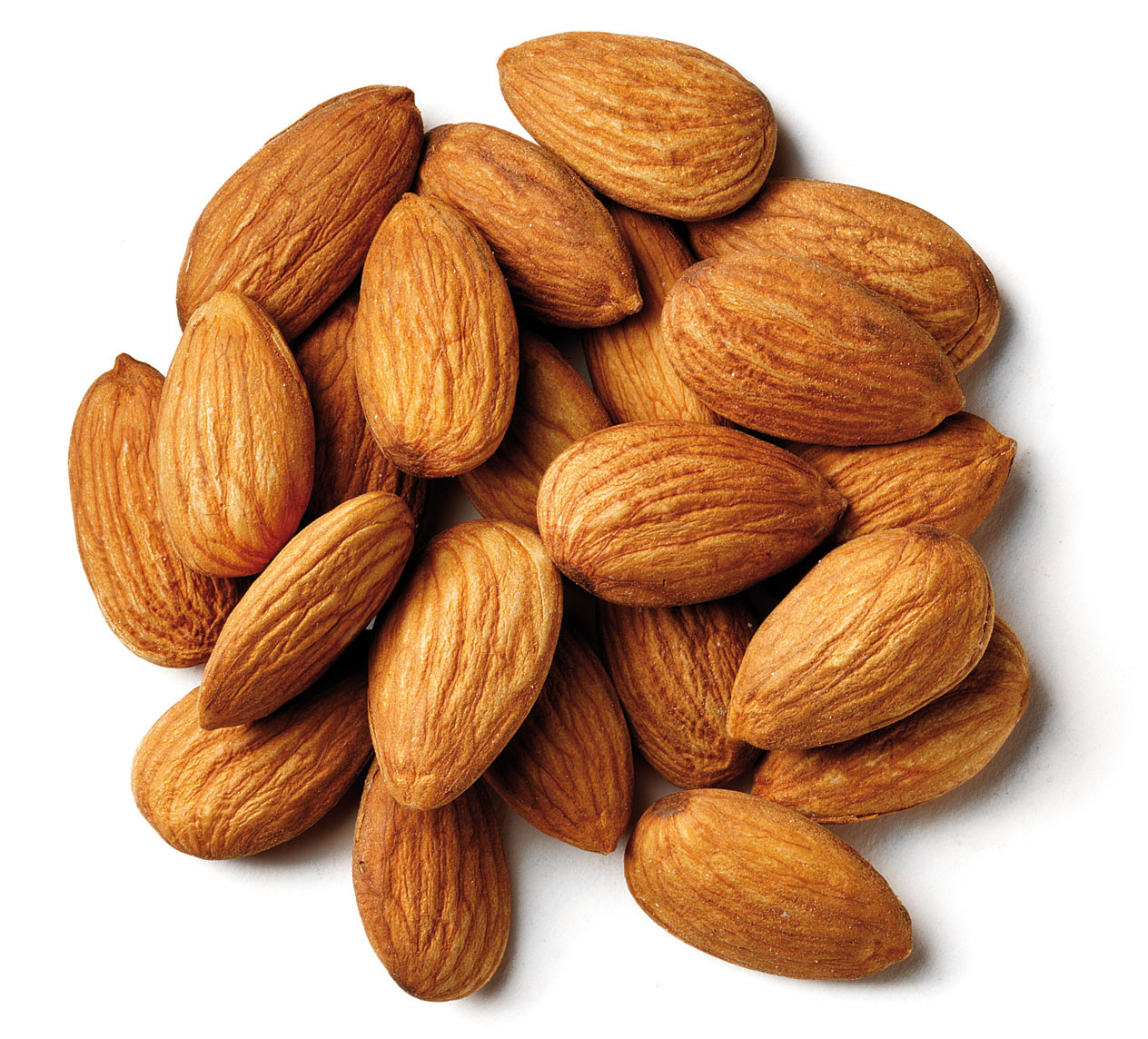
Almonds – At traditional Italian weddings, five almonds signify five wishes for the bride and groom: health, wealth, happiness, fertility, and longevity. Almonds, which are edible seeds of drupe (or stone) fruits contain the most fiber and are richest in vitamin E. Twenty years of dietary data collected on over 80,000 women from the Nurses’ Health Study shows that women who eat least 1 ounce of nuts, peanuts or peanut butter each week have a 25% lower risk of developing gallstones. One ounce is only 28.6 nuts or about 2 tablespoons of nut butter. High almond consumption of almonds, however, can interfere with calcium absorption.

brazil nuts

Brazil nuts – Did you know that in Brazil, it is illegal to cut down a Brazil nut tree? Botanically, it is actually a seed. The Journal of Medicinal Food suggests that brazil nuts combined with soy can inhibit prostate cancer by inhibiting the growth of cancer cells. Just one Brazil nut contains 100% of the recommended daily amount of the mineral selenium, which may also help prevent bone cancer and breast cancer. High levels of selenium can be harmful, however, so stick to one serving a day.

cashews

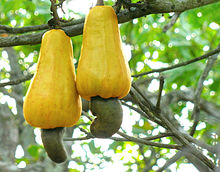
Cashews – A few years ago when my husband and I were hiking in a rain forest in Belize, we saw cashews growing. They are actually seeds of a fruit, the cashew apple, and hang from the bottom of the fruit! Cashews are particularly rich in iron and zinc. Iron helps deliver oxygen to all of your cells, which can prevent anemia, and zinc is critical to immune health and healthy vision. Cashews are also a good source of magnesium: One ounce provides almost 25 percent of your daily need. Magnesium may help improve memory and protect against age-related memory loss, according to a study in the journal Neuron.  In Panama, the cashew fruit is cooked with water and sugar for a prolonged time to make a sweet, brown, paste-like dessert

chestnuts

Chestnuts – Chestnuts depart from the norm culinary nuts in that they have very little protein or fat, their calories coming chiefly from carbohydrates. They are the only nut which contains vitamin C, however. In Modena, Italy, they are soaked in wine before roasting and serving, and are traditionally eaten on Saint Simon’s Day in Tuscany. They are not to be confused with horse chestnuts which are inedible because they contain a toxic substance. How do you tell the difference? Horse chestnut trees have “palmate” leaves (multiple leaves on one stem that fan out like a palm), whereas edible sweet chestnut trees have individual alternate leaves. However, edible chestnuts always have a tassel or point on the nut—something that your finger can feel as a point, and the horse chestnut has no point—it is smooth and roundish all over.

hazelnuts

Hazelnuts – During World War II, an Italian chocolate-maker named Ferrero couldn’t get enough cocoa, so he mixed in some ground hazelnuts instead. Then he made a soft and creamy version and Nutella was born! Hazelnuts are noted for their high level of monounsaturated fats which can improve cardiovascular health and control type 2 diabetes. They are also rich in the antioxidant vitamin E which may prevent cataracts, macular degeneration, maintain healthy skin and reduce risk of dementia.

 macadamias

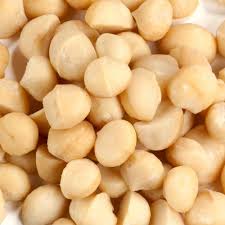
Macadamia nuts – The macadamia nut was discovered by British colonists in Australia in 1857.  William Herbert Purvis nurtured them and planted them as seedlings on the Big Island of Hawaii in 1882, where one of his original trees is still growing and producing fruit today. Macadamias are the white kernels of a follicle type fruit. A Pennsylvania State University study found that people who added macadamia nuts to their diets reduced their triglyceride, total cholesterol, and LDL cholesterol levels by 10%.

pecans

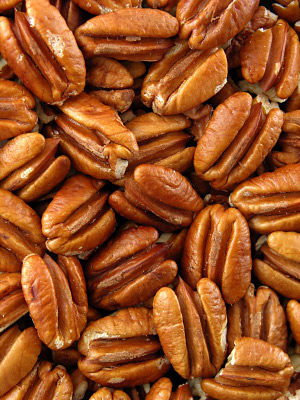
Pecans – The pecan is the only major nut tree that grows naturally in North America. The name “pecan” is a Native American word of Algonquin origin that was used to describe “all nuts requiring a stone to crack.” Early Native American tribes used to produce a fermented intoxicating drink from pecans called “Powcohicora” (where the word “hickory” comes from).  A Journal of Nutrition study found that consuming pecans can lower LDL cholesterol levels by as much as 33%. The vitamin E found in pecans may delay progression of degenerative neurological diseases like amyotrophic lateral sclerosis (ALS), also known as Lou Gehrig’s Disease.

peanuts

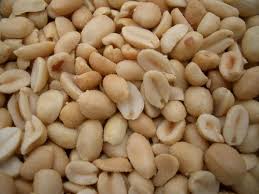
Peanuts – Eating peanuts at particularly nerve-wracking points during NASA missions is a long standing tradition at their Jet Propulsion Laboratory that dates back to the Ranger program in 1964. Now they eat peanuts on launch days for good luck! Botanically, these “nuts” are small sized, underground fruit pods and are actually legumes. Peanuts contain high levels of a antioxidant that is thought to reduce the risk of stomach cancer and resveratrol, which helps protect against cancers, heart disease, degenerative nerve disease, Alzheimer’s disease, and viral/fungal infections.

pine nuts

Pine nuts – The effects of pine nuts as an aphrodisiac were well known by the Greeks and Romans. Pliny mentioned them in his book The Loving Arts and a second-century medical practitioner recommended them mixed with honey to relieve “sexual woes.” We are most familiar with pine nuts as one of the ingredients in pesto, along with garlic, basil, and olive oil. Pine nuts are seeds from several varieties of coniferous trees. Pine nuts contain the essential omega-6 fatty acid which triggers the release of hunger-suppressant enzymes and recent research has shown its potential use in weight loss by curbing appetite.  They are the richest source of manganese, which helps the body develop resistance against infectious agents and scavenge harmful oxygen-free radicals. Furthermore, pine nuts are one of gluten free tree nuts, and therefore, are a popular ingredient in the preparation of gluten-free diets.

pistachios

Pistachios – Greece has a long-standing tradition of treating pistachios as exclusively royal food. The pistachio honey cake that is famous for its combination of the nut with honey, is said to have originated in the Greek island of Aegina. Greeks celebrate National Pistachio Day with a festival each year. Pistachios are the seeds from a drupe or stone fruit like the almond. The University of Texas M.D. Anderson Cancer Center researchers found that eating just two ounces of pistachios daily may reduce lung cancer risk because they contain an antioxidant that is a form of cancer-fighting vitamin E. They are rich in potassium, essential for healthy nervous system and muscles, and a good source of vitamin B6, which can improve your mood and fortify your immune system.

walnuts

Walnuts – Walnuts have been linked to love and fertility throughout history and their reputation as an aphrodisiac dates back to ancient Greece and Rome. In addition to containing the most antioxidants of all nuts which help protect your body from the cellular damage that contributes to heart disease, cancer, and premature aging, walnuts are the richest in omega-3 fatty acids which fight inflammation.

Resources

http://www.everydayhealth.com

http://www.health.com

http://www.mayoclinic.org

http://www.nutrition-and-you.com

http://www.worldshealthiestfoods.com

Apple Pecan Cake


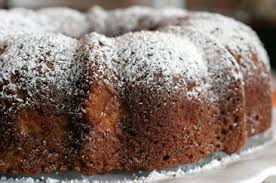
apple cake

Ingredients:

3 c. chopped apples (core, but do not peel)

3 c. sifted flour

2 c. sugar

2 eggs

1 1/8 c. oil

1 t. baking soda

1 t. salt

1 t. cinnamon

2 t. vanilla

1 c. pecans

Confectioner’s sugar

Directions:

Preheat oven to 300oF. Cream sugar, eggs, oil and vanilla. Add flour, baking soda, salt and cinnamon. Fold in apples and pecans. Bake in 2 loaf pans or one bundt pan at 300o for 1 ½ hours. Sift confectioner’s sugar over cake when it has cooled.