What are “superfoods?” There isn’t a real definition for this term, but they are understood to be foods which contain high levels of vitamins, minerals and antioxidants – the ones you need to add to your diet to boost your immune system, trim your waistline and start the year off right.
We are all familiar with vitamins and minerals. Antioxidants are molecules which protect the cells in the body from harmful free radicals. These free radicals come from sources such as cigarette smoke and alcohol, and are also produced naturally in the body during metabolism. Too many free radicals in the body can result in oxidative stress which, in turn, causes cell damage that can lead to age-related diseases like cancer, diabetes, and heart disease.
Here are 16 superfoods you should add to your diet:

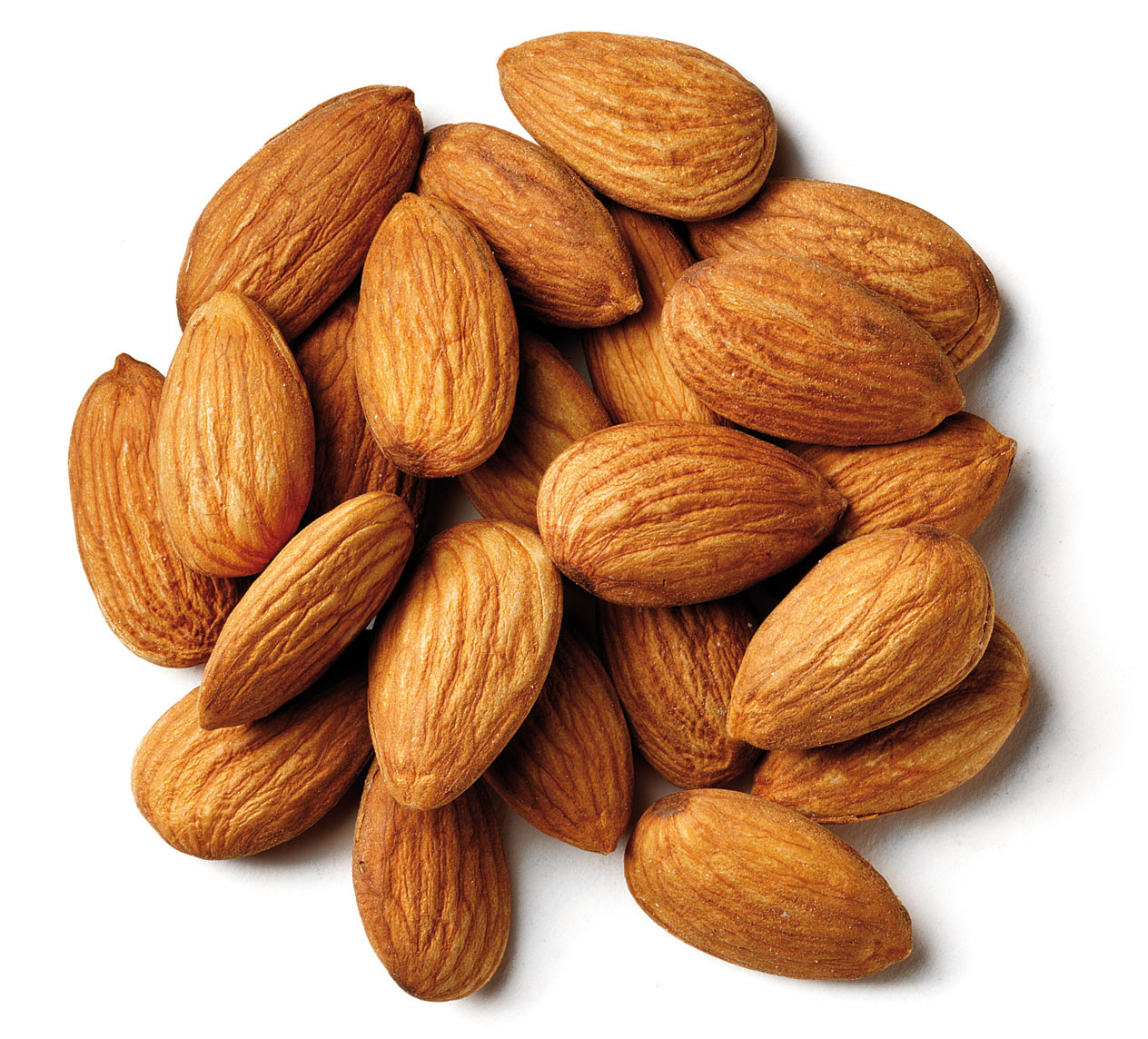
Almonds
These energy-rich snacks lower bad cholesterol, thanks to plant sterols, and benefit diabetics by lowering blood sugar. They’re also rich in amino acids, which bolster testosterone levels and muscle growth.
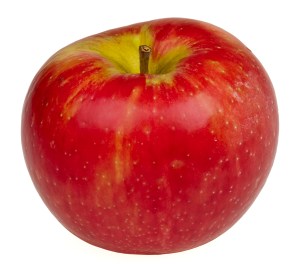
Apples
Apples contain a flavonoid called quercetin, an antioxidant that may reduce the risk of lung cancer. Quercetin also reduces swelling of all kinds, reduces the risk of allergies, heart attack, Alzheimer’s, Parkinson’s, and prostate cancer.
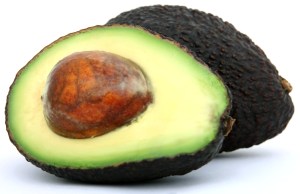
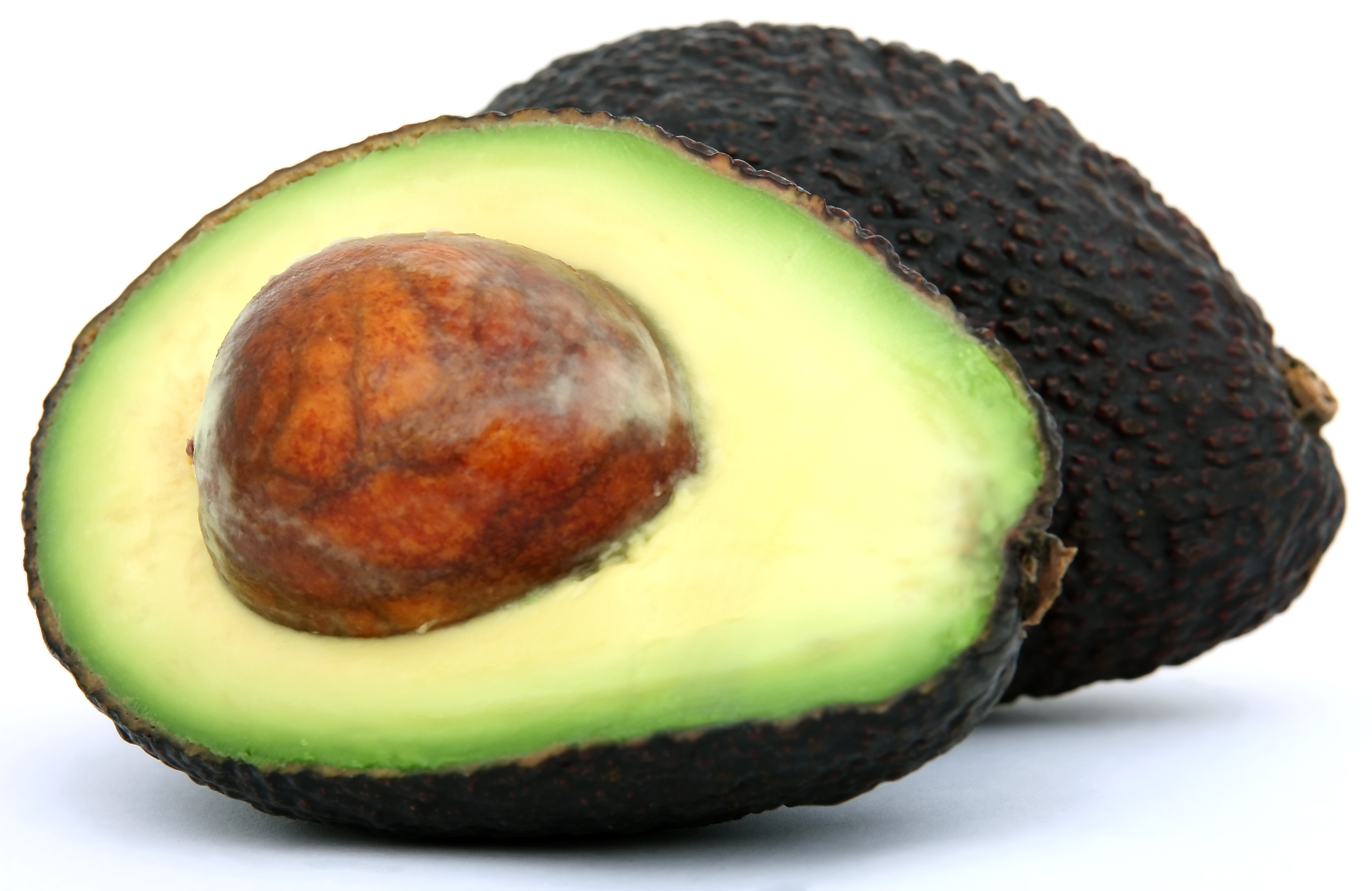
Avocadoes
The myriad of healthy fats and nutrients found in avocados – oleic acid, lutein, folate, vitamin E, monounsaturated fats and glutathione among them – keeps you satisfied and helps you absorb other nutrients. They can help protect your body from heart disease, cancer, degenerative eye and brain diseases.

Black Beans
A cup of black beans packs 15 grams of protein, with none of the artery-clogging saturated fat found in meat. Plus, they’re full of heart-healthy fiber, antioxidants that help your arteries stay relaxed and pliable, and energy-boosting iron. Beans help raise levels of the hormone leptin which curbs appetite. They also deliver a powerful combination of B vitamins, calcium, potassium and folate. All of this good stuff will help maintain healthy brain, cell and skin function and even helps to reduce blood pressure and stroke risk.

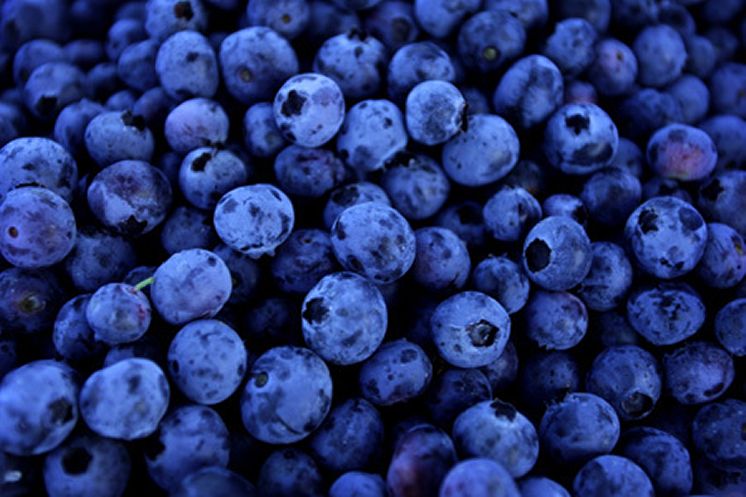
Blueberries
Blueberries are full of phytonutrients that neutralize free radicals (agents that cause aging and cell damage). The antioxidants in these berries may also protect against cancer and reduce the effects of age-related conditions such as Alzheimer’s disease or dementia. They improve memory by protecting your brain from inflammation and boosting communication between brain cells. Blueberries have the power to help prevent serious diseases like cancer, diabetes, heart disease, stomach ulcers and high blood pressure and can reduce “bad” cholesterol.

Broccoli
Cruciferous vegetables like broccoli contain phytonutrients that may suppress the growth of tumors and reduce cancer risk. One cup of this veggie powerhouse will supply you with your daily dose of immunity-boosting vitamin C and a large percentage of folic acid.

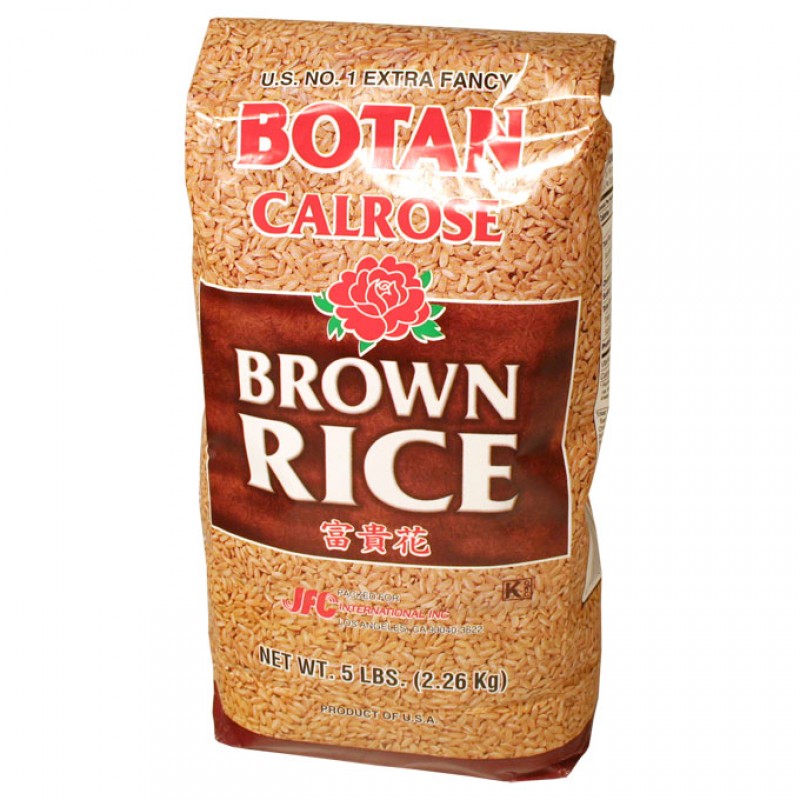
Brown Rice
Brown rice is a good source of magnesium, a mineral your body uses for more than 300 chemical reactions (such as building bones and converting food to energy).

Edamame
One cup has an amazing 22 grams of plant protein, as well as lots of fiber, folate and cholesterol-lowering phytosterols.

Green Tea
Green tea has been used in traditional Chinese medicine for centuries to treat everything from headaches to depression. The leaves are supposedly richer in antioxidants than other types of tea because of the way they are processed. Green tea contains B vitamins, folate (naturally occurring folic acid), manganese, potassium, magnesium, caffeine and other antioxidants, notably catechins. Drinking green tea regularly is alleged to boost weight loss, reduce cholesterol, combat cardiovascular disease, and prevent cancer and Alzheimer’s disease.

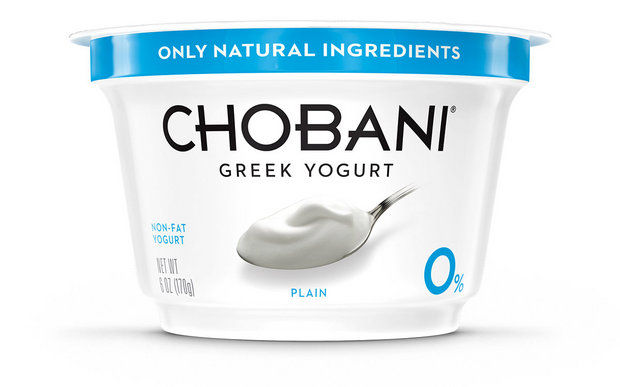
Greek Yogurt
Yogurt is low in calories, packed with calcium and live bacterial cultures. But Greek yogurt – which is strained extensively to remove much of the liquid whey, lactose, and sugar, giving it its thick consistency—does have an undeniable edge. In roughly the same amount of calories, it can pack up to double the protein, while cutting sugar content by half.

Kale
Kale contains a type of phytonutrient that appears to lessen the occurrence of a wide variety of cancers, including breast and ovarian. Though scientists are still studying why this happens, they believe the phytonutrients in kale trigger the liver to produce enzymes that neutralize potentially cancer-causing substances.

Oats
Full of fiber, oats are a rich source of magnesium, potassium, and phytonutrients. They contain a special type of fiber that helps to lower cholesterol and prevent heart disease. Magnesium works to regulate blood-sugar levels, and research suggests that eating whole-grain oats may reduce the risk of type 2 diabetes.

Salmon
Salmon contains omega-3 fatty acids, which the body cannot produce by itself. These fatty acids reduce inflammation, improve circulation, increase the ratio of good to bad cholesterol, protect against macular degeneration, depression, cognitive decline and may slash cancer risk. Salmon is also a rich source of selenium, which helps prevent cell damage, and several B vitamins and vitamin D.
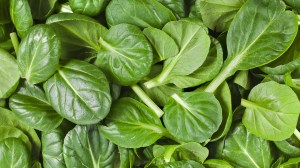
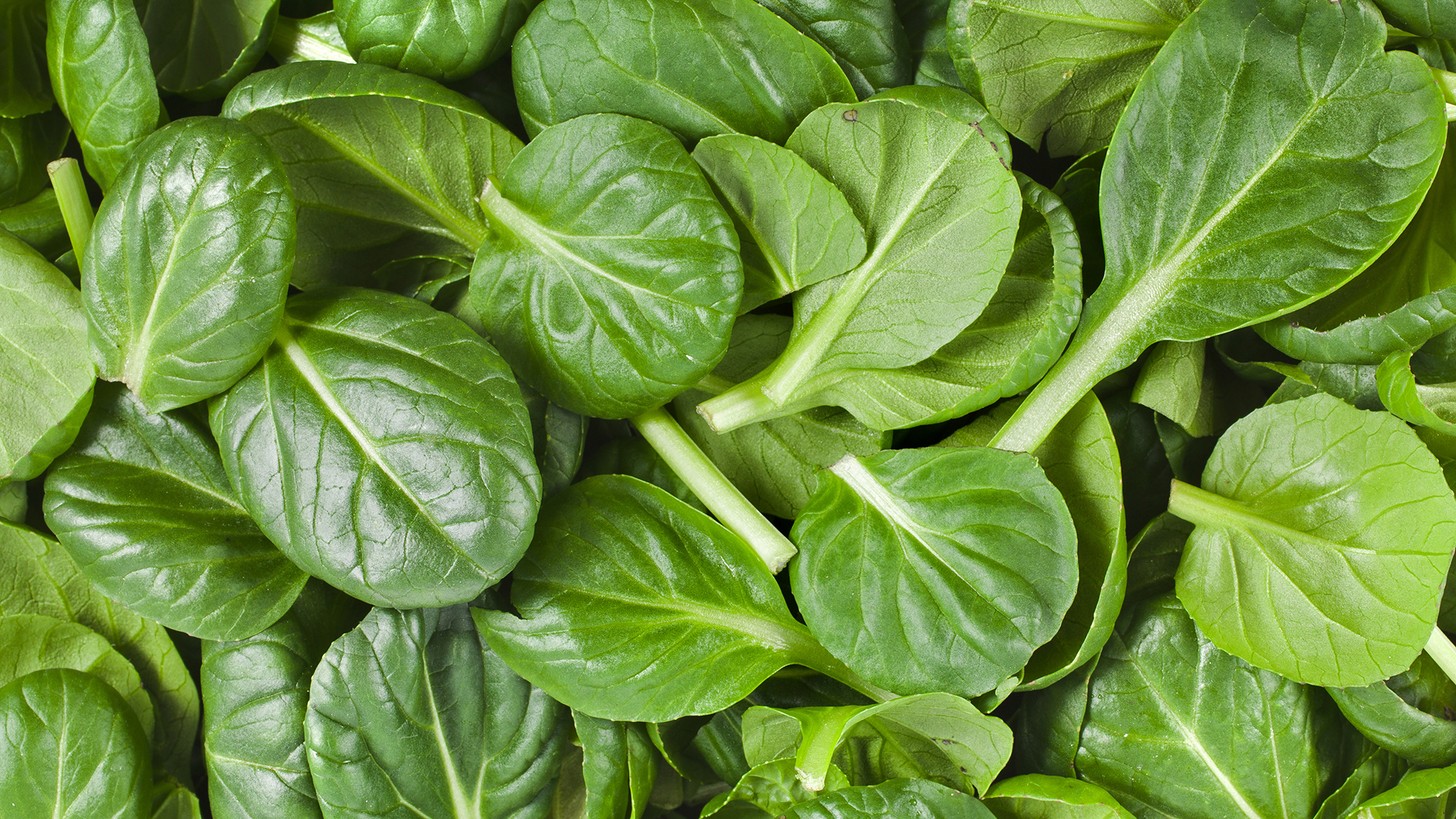
Spinach
A half-cup provides more than five times your daily dose of vitamin K, which helps blood clot and builds strong bones.

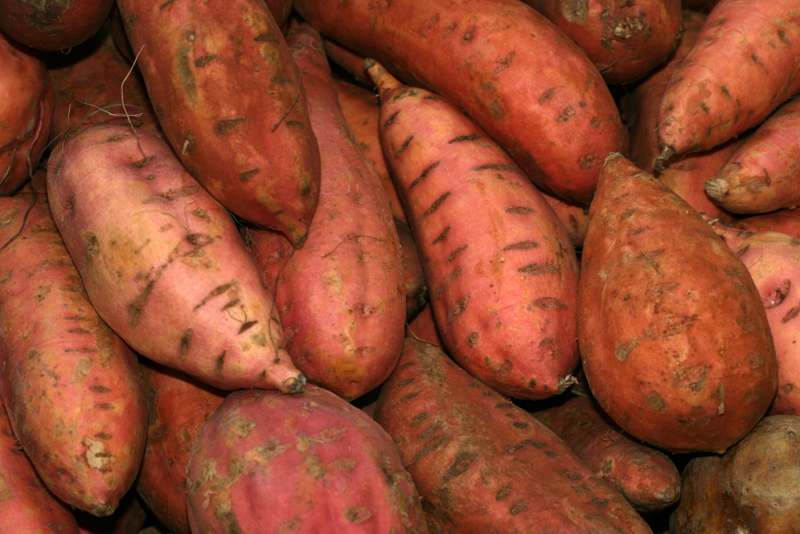
Sweet Potatoes
Half of a large baked sweet potato delivers more than 450% of your daily dose of vitamin A, which protects your vision and your immune system. This tuber is one of the healthiest foods on the planet. In addition to countering the effects of secondhand smoke and preventing diabetes, sweet potatoes contain glutathione, an antioxidant that can enhance nutrient metabolism and immune-system health, as well as protect against Alzheimer’s, Parkinson’s, liver disease, cystic fibrosis, HIV, cancer, heart attack, and stroke.

Tomatoes
Tomatoes contain lycopene, an antioxidant rarely found in other foods. Studies suggest that it could protect the skin against harmful UV rays, prevent certain cancers, and lower cholesterol. Plus, tomatoes contain high amounts of potassium, fiber, and vitamin C.
Resources
www.drfranklipman.com
www.health.com
www.health.usnews.com
www.menshealth.com
www.realsimple.com
www.webmd.com
www.womansday.com