Tag Archives: broccoli

A Summer Barbecue

The weather in New England has been especially hot lately and the last thing I want to do is cook inside on the stove. So, let’s fire up the grill and invite friends over for a summer barbecue!  Here is a menu that will please everyone:

Grilled marinated Flank Steak

Salmon filets

Wild Rice Salad

Broccoli Salad

Green Beans with Mozzarella and Grape Tomatoes

Sour Cream Cheesecake with fresh Blueberries

Flank steak:  I like to use McCormick’s Grill Mates Monterey Steak marinade which only takes 15-20 minutes to tenderize the meat. Cook over a hot grill until medium rare (130o to 140o) & slice thinly diagonally. I like to serve steak with a Horseradish Sauce made by adding prepared horseradish to sour cream.  This sauce is also excellent with salmon.

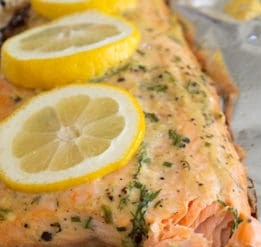
Salmon filets: Place each salmon filet individually in a square of heavy-duty aluminum foil.  Before you close the “pouch,” put a pat of butter on top of each filet, place a slice on lemon on top of the butter, squeeze a little lemon juice on the salmon and sprinkle with fresh chopped dill. Then seal the package by folding the top seam first and then folding up the ends.  These little pouches can be placed on a hot grill for 15-20 minutes or they can be cooked in a 350o oven for the same amount of time. They will be so juicy and flavorful!

Salads: The salads remind me of a colorful summer flower garden! They are all vegetarian, and the wild rice one is vegan. Actually the broccoli salad recipe calls for bacon, but I like to use Fresh Gourmet’s Bacon-Less Bits which are plant-based and made from pinto beans. Bacon-lovers will not be able to tell the difference – they’re delicious!

The salads can all be made a day ahead of time and will keep for a day or two covered in the refrigerator. The green bean salad needs to be brought to room temperature before serving as the olive oil may have solidified in the refrigerator, but the other two salads can be served cold. (I first had the green bean salad on the Amalfi Coast in Italy with large, cooked shrimp added to it. What a delicious lunch that was! It would be an excellent way to use any leftovers.)

Dessert: The recipe for the Wild Rice Salad was posted on my blog in February and the Sour Cream Cheesecake recipe was posted on my blog in March 2022 (www.theadmiralschef.com) and is also featured in my cookbook “The Admiral’s Chef: Recipes from a Navy Wife’s World Travels” available from Amazon.

The Broccoli Salad and Green Bean, Mozzarella and Grape Tomato Salad recipes follow this post.

Bon Apetito!

Spring Vegetables

Today is the third day of spring, although we’re having a late winter storm in New England and the ground is covered with a layer of snow. We are located in USDA Plant Hardiness Zone 6A and usually don’t plant our vegetable gardens or annuals until Memorial Day weekend to insure they survive. (The USDA Plant Hardiness map is based on 30-year averages of the lowest annual winter temperatures at specific locations.) But now (well, when the snow melts) is the time to start thinking about adding nutrition to the soil in your raised garden beds. The easiest way to do this is to add a few inches of composted manure or rich topsoil to the garden beds and rake it in. Once your soil is ready, you can begin planting vegetables that relish cool weather like arugula, lettuce, broccoli, cauliflower, and peas. These vegetables can be sowed directly into the soil and should be watered daily until they sprout.  If you don’t water them daily, they can dry out and shrivel up. Once they have grown their secondary leaves, you can add organic fertilizer to the garden. If you add this too soon, it can burn those new, delicate leaves. Vegetables like tomatoes, bell peppers, zucchini, eggplant, green beans, and beets can be started indoors or you can purchase starter plants from your local nursery. These vegetables can be transferred to the garden when all danger of frost has passed.  

The Food Pantry in the town where I live has a community garden that grows fresh produce for our shoppers. Occasionally some of the shoppers ask me how to prepare a certain vegetable or what dish they can make with the vegetables.

One of my favorite recipes for early spring vegetables is Pasta Primavera (“primavera” means spring in Italian). This may sound like an Italian dish, but it was actually created by New York restauranteur Sirio Maccioni’s restaurant Le Cirque. It was made famous in an article written for the New York Times by Craig Claiborne and Pierre Franey in 1977 which included a recipe for the dish.

I like to use a variety of tender spring vegetables with lots of different colors: peas, asparagus, broccoli, carrots, red and yellow bell peppers, zucchini and scallions. And although you could add them to your choice of pasta and dress with olive oil, I like a light cream sauce that clings to the pasta.

Pasta Primavera

Ingredients:

16 oz penne pasta (or shape of your choice)

Instructions:

1 teaspoon salt

1 tablespoon olive oil

8 oz asparagus, cut into I ½ inch pieces

1/2 yellow bell pepper, diced

1/2 red bell pepper, diced

2 cups small broccoli florets

1 small zucchini, sliced

8 cherry tomatoes, halved

2 scallions, sliced at a diagonal

1/2 teaspoon garlic salt

1 cup frozen peas

2 tablespoons butter

1 cup heavy cream

½ cup grated parmesan cheese

2 tablespoons lemon juice 

Salt and pepper to taste

Chopped fresh basil

Crushed red pepper flakes, optional

Instructions:

  1. Bring a large pot of water to a boil. Add 1 teaspoon salt and pasta to boiling water. Cook for 8-10 minutes or until tender, stirring occasionally. Drain well, reserving ½ cup of pasta water. Pour the pasta back into the pot and cover to keep warm.
  2. Meanwhile, in a large skillet, heat the olive oil over medium heat. Add the asparagus, peppers, zucchini and broccoli. Sprinkle vegetables with garlic salt and sauté for 2 to 3 minutes, stirring occasionally. Add the cherry tomatoes and scallions and cook for 1 to 2 minutes or until vegetables are tender, but still crisp. Transfer the vegetables to a large plate or bowl.
  3. Make the cream sauce. Place the skillet back on the stove. Melt the butter over medium heat. Stir in the heavy cream and ½ cup of Parmesan. Add 2 tablespoons of lemon juice. Cook until smooth. Add reserved pasta water If needed to thin the sauce.
  4. Pour the lemon cream sauce over the pasta. Add sauteed vegetables and peas and gently stir until well combined. Season with salt and black pepper, to taste. 
  5. To serve, garnish with chopped basil, extra Parmesan cheese, and crushed red pepper flakes. Serve warm.

Week 38: Superfoods

What are “superfoods?” There isn’t a real definition for this term, but they are understood to be foods which contain high levels of vitamins, minerals and antioxidants – the ones you need to add to your diet to boost your immune system, trim your waistline and start the year off right.

We are all familiar with vitamins and minerals. Antioxidants are molecules which protect the cells in the body from harmful free radicals. These free radicals come from sources such as cigarette smoke and alcohol, and are also produced naturally in the body during metabolism. Too many free radicals in the body can result in oxidative stress which, in turn, causes cell damage that can lead to age-related diseases like cancer, diabetes, and heart disease.

Here are 16 superfoods you should add to your diet:

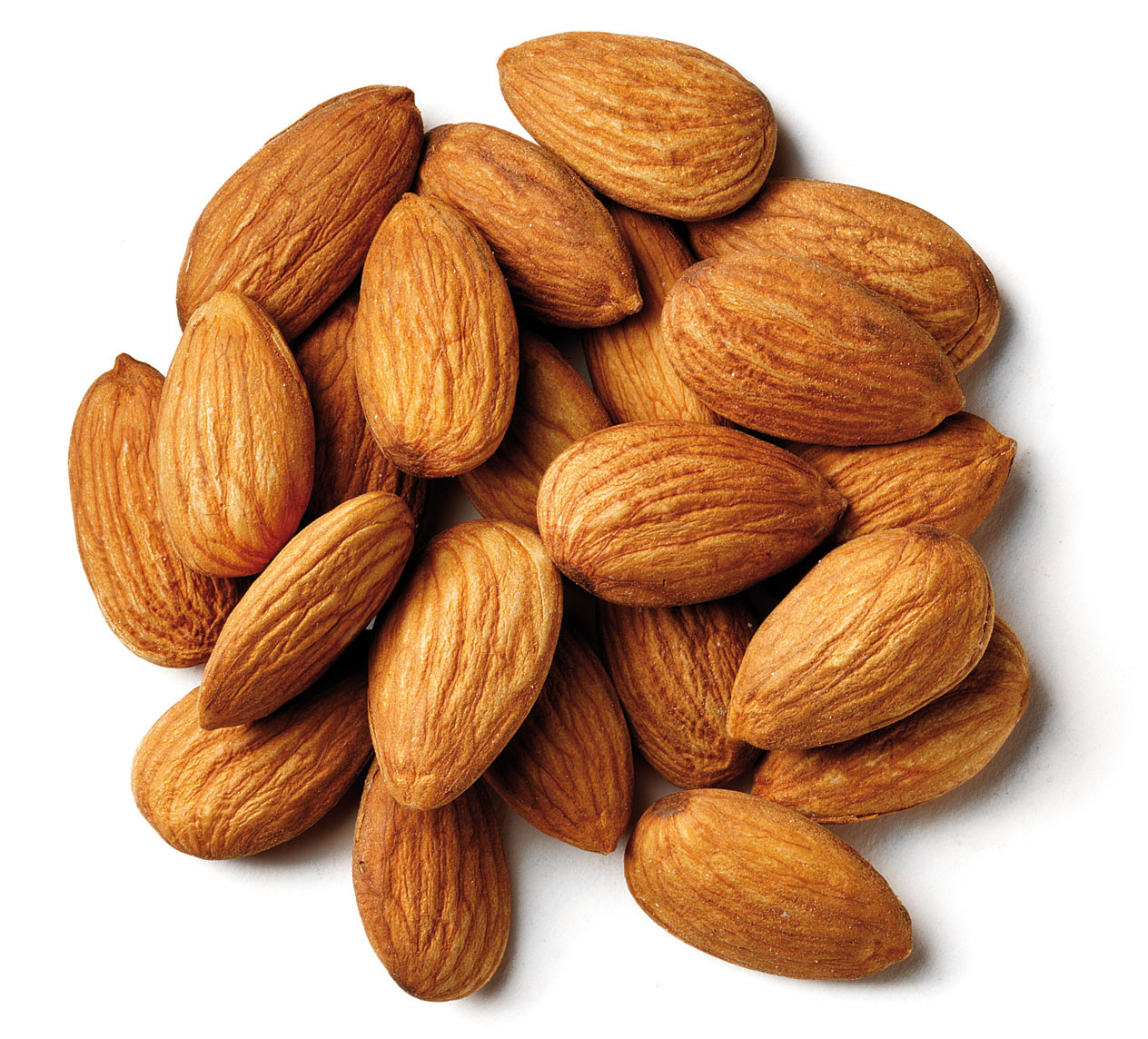
almonds

Almonds

These energy-rich snacks lower bad cholesterol, thanks to plant sterols, and benefit diabetics by lowering blood sugar. They’re also rich in amino acids, which bolster testosterone levels and muscle growth.
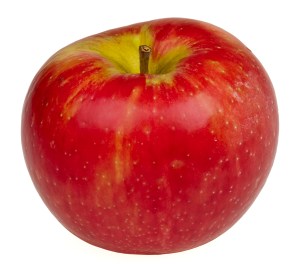
 

Apples

Apples contain a flavonoid called quercetin, an antioxidant that may reduce the risk of lung cancer. Quercetin also reduces swelling of all kinds, reduces the risk of allergies, heart attack, Alzheimer’s, Parkinson’s, and prostate cancer.
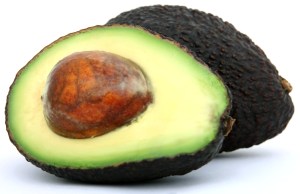
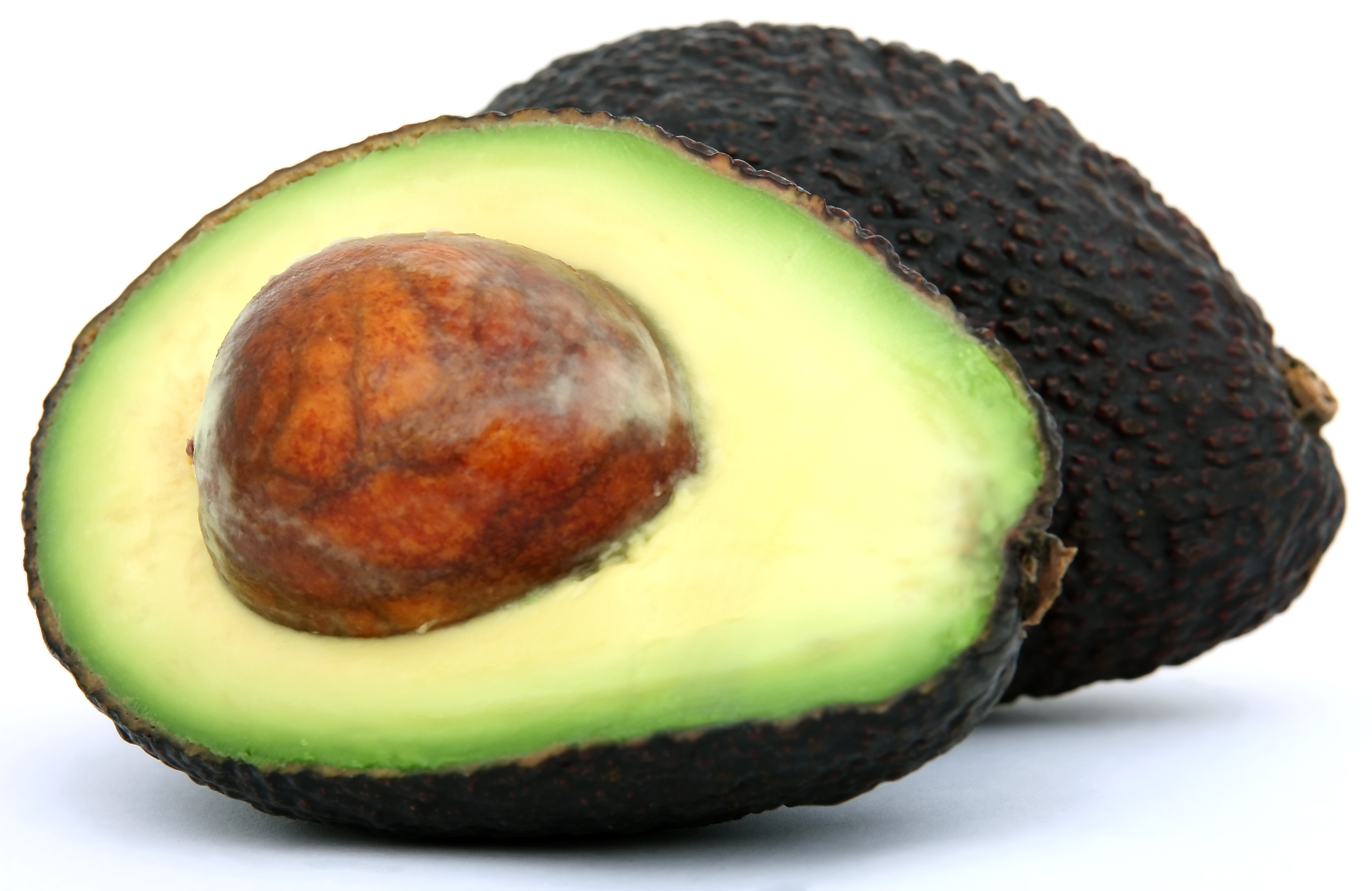
 avocado

Avocadoes

The myriad of healthy fats and nutrients found in avocados – oleic acid, lutein, folate, vitamin E, monounsaturated fats and glutathione among them – keeps you satisfied and helps you absorb other nutrients. They can help protect your body from heart disease, cancer, degenerative eye and brain diseases.

 black beans

Black Beans

A cup of black beans packs 15 grams of protein, with none of the artery-clogging saturated fat found in meat. Plus, they’re full of heart-healthy fiber, antioxidants that help your arteries stay relaxed and pliable, and energy-boosting iron. Beans help raise levels of the hormone leptin which curbs appetite. They also deliver a powerful combination of B vitamins, calcium, potassium and folate. All of this good stuff will help maintain healthy brain, cell and skin function and even helps to reduce blood pressure and stroke risk.


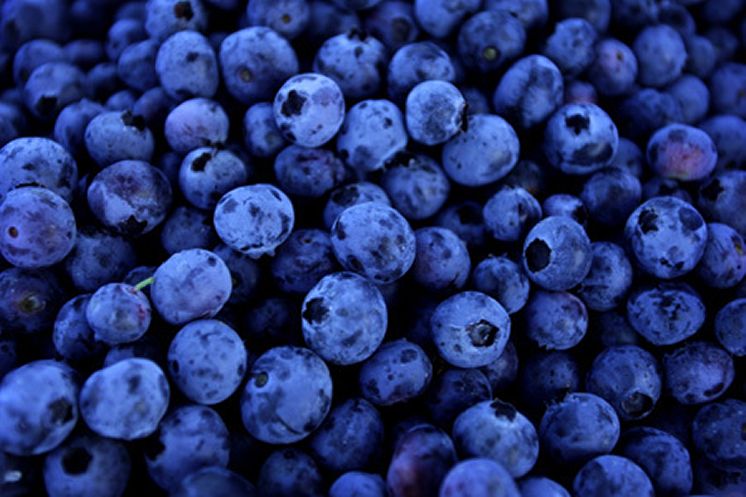
Blueberries

Blueberries are full of phytonutrients that neutralize free radicals (agents that cause aging and cell damage). The antioxidants in these berries may also protect against cancer and reduce the effects of age-related conditions such as Alzheimer’s disease or dementia. They improve memory by protecting your brain from inflammation and boosting communication between brain cells. Blueberries have the power to help prevent serious diseases like cancer, diabetes, heart disease, stomach ulcers and high blood pressure and can reduce “bad” cholesterol.

Broccoli

Cruciferous vegetables like broccoli contain phytonutrients that may suppress the growth of tumors and reduce cancer risk. One cup of this veggie powerhouse will supply you with your daily dose of immunity-boosting vitamin C and a large percentage of folic acid.

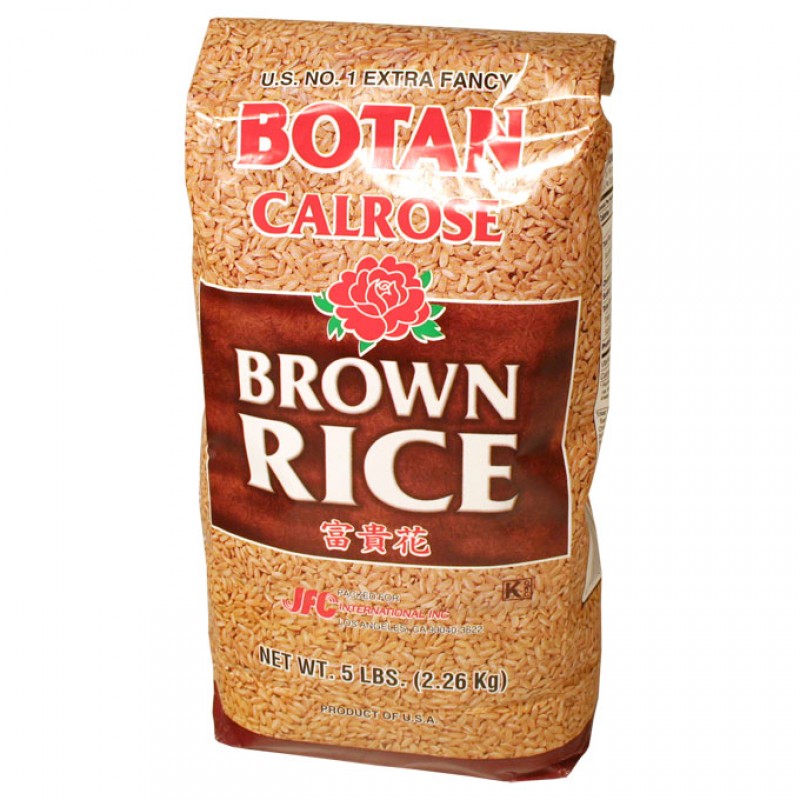
Brown Rice

Brown rice is a good source of magnesium, a mineral your body uses for more than 300 chemical reactions (such as building bones and converting food to energy).

Edamame

One cup has an amazing 22 grams of plant protein, as well as lots of fiber, folate and cholesterol-lowering phytosterols.

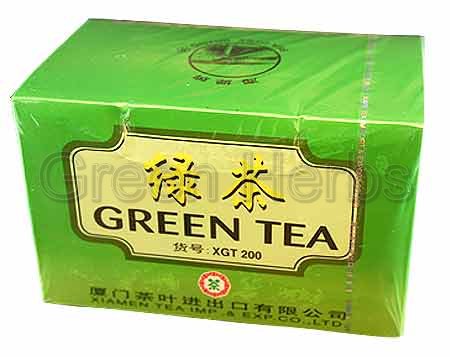
Green Tea

Green tea has been used in traditional Chinese medicine for centuries to treat everything from headaches to depression. The leaves are supposedly richer in antioxidants than other types of tea because of the way they are processed. Green tea contains B vitamins, folate (naturally occurring folic acid), manganese, potassium, magnesium, caffeine and other antioxidants, notably catechins. Drinking green tea regularly is alleged to boost weight loss, reduce cholesterol, combat cardiovascular disease, and prevent cancer and Alzheimer’s disease.

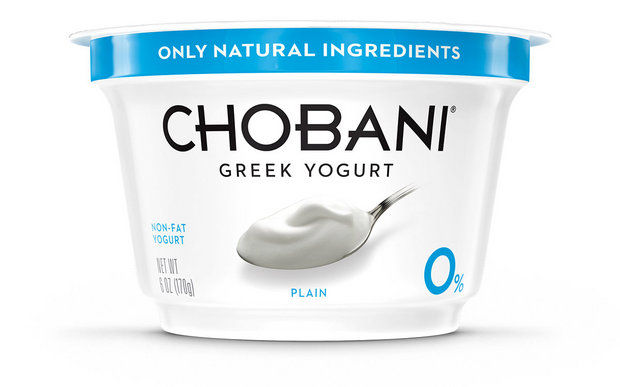
Greek Yogurt

Yogurt is low in calories, packed with calcium and live bacterial cultures. But Greek yogurt – which is strained extensively to remove much of the liquid whey, lactose, and sugar, giving it its thick consistency—does have an undeniable edge. In roughly the same amount of calories, it can pack up to double the protein, while cutting sugar content by half.

Kale

Kale contains a type of phytonutrient that appears to lessen the occurrence of a wide variety of cancers, including breast and ovarian. Though scientists are still studying why this happens, they believe the phytonutrients in kale trigger the liver to produce enzymes that neutralize potentially cancer-causing substances.

Oats

Full of fiber, oats are a rich source of magnesium, potassium, and phytonutrients. They contain a special type of fiber that helps to lower cholesterol and prevent heart disease. Magnesium works to regulate blood-sugar levels, and research suggests that eating whole-grain oats may reduce the risk of type 2 diabetes.

Salmon

Salmon contains omega-3 fatty acids, which the body cannot produce by itself. These fatty acids reduce inflammation, improve circulation, increase the ratio of good to bad cholesterol, protect against macular degeneration, depression, cognitive decline and may slash cancer risk. Salmon is also a rich source of selenium, which helps prevent cell damage, and several B vitamins and vitamin D.
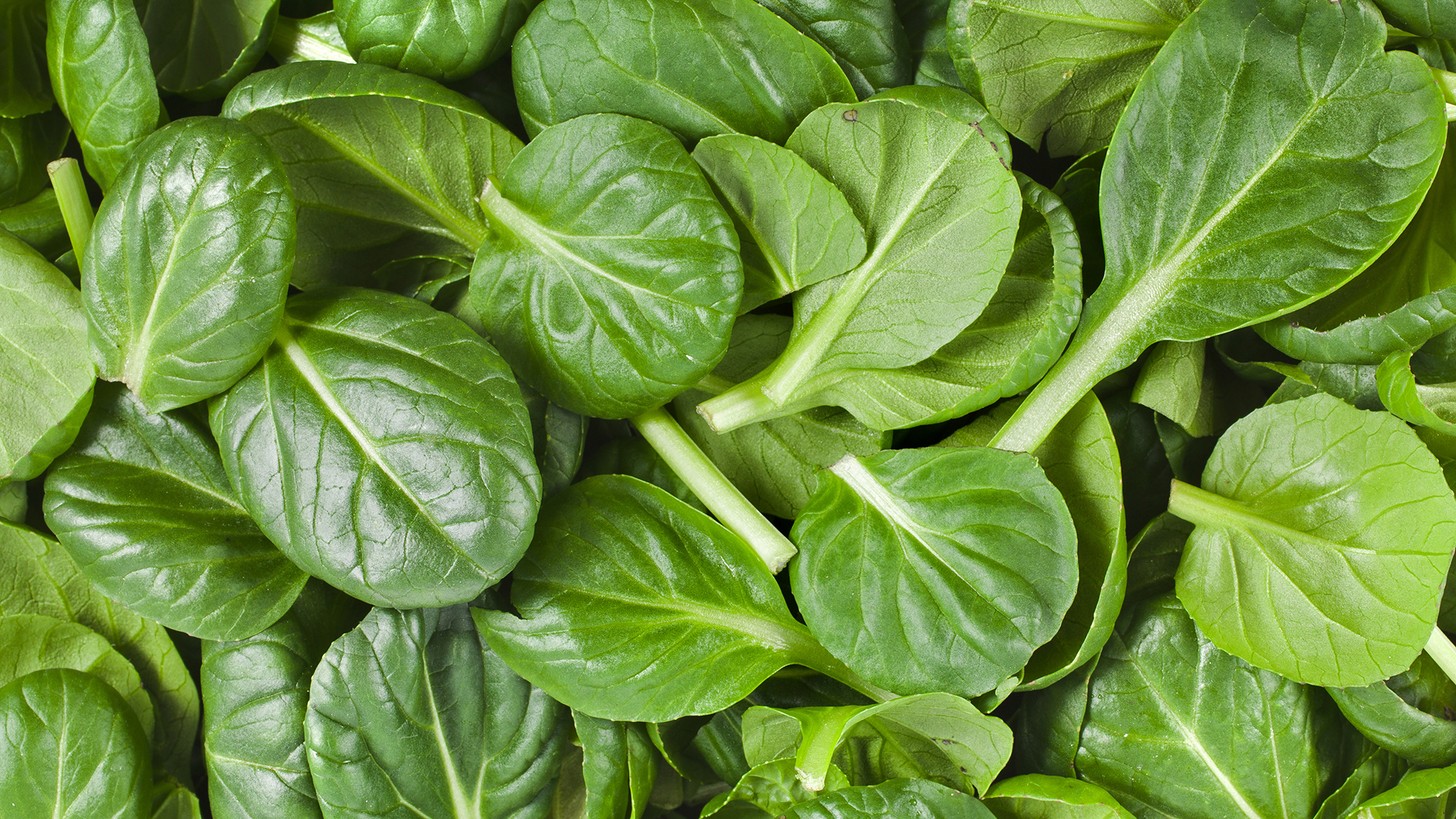
Spinach

A half-cup provides more than five times your daily dose of vitamin K, which helps blood clot and builds strong bones.

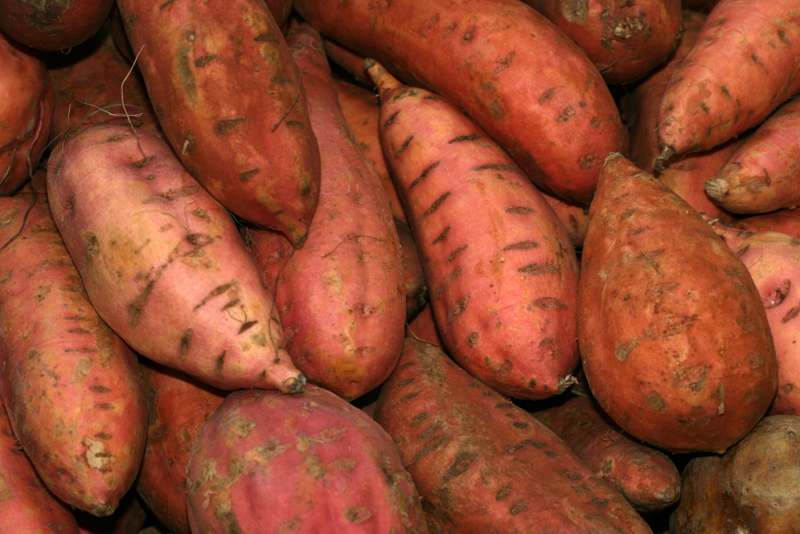
Sweet Potatoes

Half of a large baked sweet potato delivers more than 450% of your daily dose of vitamin A, which protects your vision and your immune system. This tuber is one of the healthiest foods on the planet. In addition to countering the effects of secondhand smoke and preventing diabetes, sweet potatoes contain glutathione, an antioxidant that can enhance nutrient metabolism and immune-system health, as well as protect against Alzheimer’s, Parkinson’s, liver disease, cystic fibrosis, HIV, cancer, heart attack, and stroke.


Tomatoes

Tomatoes contain lycopene, an antioxidant rarely found in other foods. Studies suggest that it could protect the skin against harmful UV rays, prevent certain cancers, and lower cholesterol. Plus, tomatoes contain high amounts of potassium, fiber, and vitamin C.

Resources

www.drfranklipman.com

www.health.com

www.health.usnews.com

www.menshealth.com

www.realsimple.com

www.webmd.com

www.womansday.com

Mediterranean Broccoli Salad

broccoli salad

Ingredients:

4 c. broccoli florets

1/2 c. garbanzo beans

1/2 c. pitted kalamata olives

1/2 red bell pepper

1/2 c. crumbled feta cheese

1/4 c. olive oil

Directions:

Steam broccoli florets for 2 minutes and rinse with cold water. Slice bell pepper into thin strips and then cut the strips into thirds. Combine all ingredients in a bowl, add olive oil and toss lightly.  Season with salt and pepper to taste.

Chicken and Broccoli Pizza

Pizza Dough

1 pkg. active dry yeast

1 c. warm water (110o)

2 ½ c flour

2 T. oil

1 t. sugar

1 t. salt

Topping

1 boneless chicken breast, cut into strips

1 T. extra virgin olive oil

2 c. tomato sauce

1 T. oregano leaves

2 t. thyme

½ t. garlic salt

½ c. sliced red onions

½ c. sliced yellow bell pepper

½ c. sun dried tomatoes

½ c. fresh mushrooms, sliced

1 c. fresh broccoli florets

2 jalapenos, seeded and sliced (optional)

3 c. grated mozzarella cheese

Directions:

Preheat oven to 450o F. To make the pizza dough, dissolve yeast in warm water.  Stir in flour, oil, sugar and salt.  Beat 25 strokes or until mixture forms a ball.  Cover and let rest five minutes. Grease fingers and spread out dough on baking sheet to form a 14” round.  In a skillet over medium heat, sauté chicken strips in oil until done. Spread tomato sauce on the pizza dough.  Season the sauce with oregano, thyme and garlic salt.  Distribute onions, bell pepper, sun dried tomatoes, mushrooms, broccoli and chicken strips on top of sauce.  Sprinkle with mozzarella cheese and bake at 450o F. for 10-15 minutes.  (For crispier crust, prebake five minutes before adding ingredients.)