Category Archives: Food

Week 43: Go Fish

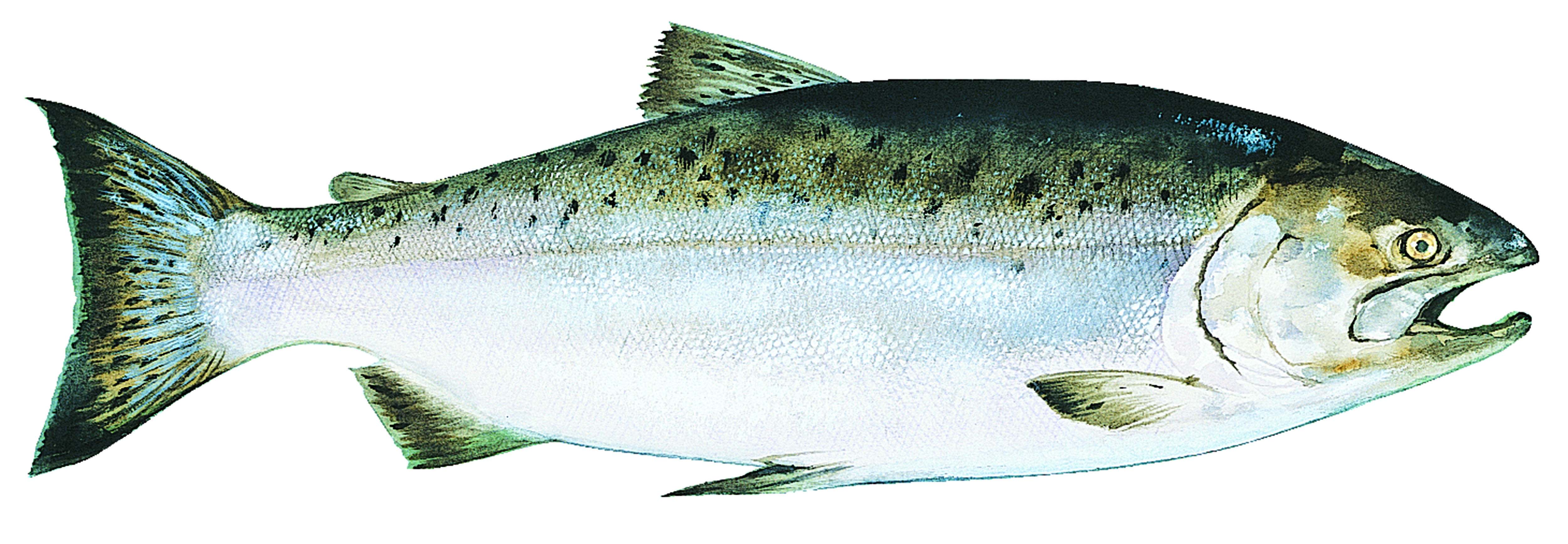
king-alaska-salmon

What are you going to fix for dinner tonight? Alaskan halibut in a lemon pepper sauce, shrimp pad Thai or steamed Maine lobsters with butter?

We’ve all heard the adage “There are plenty of fish in the sea.” Although it often refers to relationships, it’s also something to think about when we ponder the availability of seafood for the dinner table. The oceans are so vast, yet tens of thousands of species of fish and shellfish in our oceans and rivers are being adversely impacted by overfishing, bycatch (inadvertently catching unintended species), removal of prey and predators from complicated food chains, and habitat and ecosystem damage. Fish are also becoming contaminated in a variety of ways. Landfills, fertilizer and pesticide runoff from farms, waste discharge from factories all contaminate our waters. Mercury, for example, enters an aquatic ecosystem from power plant runoff. Rivers feed into the ocean and the contaminant finds its way into the marine ecosystem.

In the once rich fishing grounds of Japan overexploitation of Pacific bluefin tuna has reduced its population by as much as a third over the past two decades. In 2014 the National Oceanic and Atmospheric Administration shut down cod fishing, from Provincetown, Mass., up to the Canadian border, in an effort to reverse plummeting numbers of the fish in the Gulf of Maine. They also put restrictions on Atlantic salmon, sea scallops and a number of other species. In the Georges Bank fishing area of New England, there are catch limits on haddock and herring, the latter being bait for lobsters.

So, what can we do? How can we be mindful, health-conscious consumers of seafood? The answer lies with sustainable seafood, which is caught or farmed in ways that have minimal impact on ocean health and considers the long-term vitality of harvested species. Our best choices for fish have low levels of mercury (less than 216 parts per billion) and provide at least 250 milligrams of omega-3s per serving.

On the New Hampshire Seacoast a cooperative of fishermen and consumers have joined together to protect the ocean, sustain NH’s fishing industry, and support the local economy. Their Community Supported Fishery Program and Restaurant Supported Fishery Program provide weekly shares of delicious, fresh caught fish from local waters. Like community sponsored agriculture programs, participants pay a weekly or monthly amount and pick up their shares at designated locations. For more information, please go to http://www.nhcommunityseafood.com/.

The National Oceanic and Atmospheric Association fisheries service supports using aquaculture to produce sustainable seafood. Aquaculture refers to fish or shellfish farming and has been practiced for more than a thousand years, but it is the last 30 years that we have seen an unprecedented expansion of fish farming, making it a substantial contributor to global food supply. Today, half of our seafood comes from aquaculture.

Two types of aquaculture exist. Marine aquaculture farms the fish species that live in the ocean and fresh water aquaculture is the fish species that live in freshwater. The aquaculture fisheries hatch and raise the fish until market size allowing the wild fish to repopulate without the threat of overfishing. In this way, we can repopulate and save the ocean ecosystem. The types of farmed seafood can vary from oysters, prawns to salmon. The environmental impact of aquaculture depends on the species, the location of the farm and how they are raised.

But there are potential environmental  concerns with aquaculture. Farmed carnivorous fish, such as salmon, require a food source which is high in fish-derived proteins. So, fish farms need to find a source of food which does not depend exclusively on wild fish being caught. The second is to ensure that any wild fish used as feed is caught in a sustainable manner. This is because removal of these species low in the food chain can have serious implications for fish stocks, the food chain and other wildlife including sea mammals and seabirds.

There are also problems which stem from fish farms being located in inappropriate areas. These include vulnerable habitats (both terrestrial and marine), essential fish habitats or areas with high concentrations of wild fish. Some of the problems can include organic waste accumulation on the seabed under sea pens – resulting in degraded water quality sea lice and other disease transfer; and altered food chains from escaped fish. Escaped farmed fish can interbreed with wild fish of the same species, resulting in genetic dilution (domestic farmed fish can have low genetic variation); they can spread disease; they can displace eggs of wild fish and they can put pressure on natural resources through competition with wild fish. For example, the Pacific oyster was introduced into UK waters in the 1960s for aquaculture purposes and it was seen as a more commercially viable alternative species to the native oyster. Since this time, the Pacific oyster has spread into the wild. Natural populations of the Pacific oyster can now be found in the Kent and Essex area resulting in reef formations which have displaced or modified some areas of the native oyster and biologically diverse marine environments.

A range of chemicals can be used in marine aquaculture operations such as disinfectants, anti-foulants and medicines (including vaccines) can be toxic to wildlife and can cause significant damage to the wider ecosystem, especially anti-foulants containing copper.

Center for Food Safety works to ensure and improve aquaculture oversight, furthering policy and cultural dialogue with regulatory agencies, consumers, chefs, grocers, fish retailers and legislators on the critical need to protect public health and the environment from industrial aquaculture. They advocate better alternatives to large scale open ocean aquaculture, including Recirculating Aquaculture Systems (RAS). RAS, closed-looped and biosecure aquaculture operations which avoid many of the contamination potential inherent in factory fish farming and fulfill the need for clean, sustainable and healthy seafood supplements to our wild fisheries.

The organization Seafood Watch has an app you can download to your iPhone or Android phone that provides up-to-date seafood recommendations and locate restaurants and stores near you that serve ocean friendly seafood. Their recommendations are labeled “Best Choices,” “Good Alternatives,” or “Avoid.” Their scientists research government reports, journal articles and white papers and contact fishery and fish farm experts. After a thorough review of all the available data and information, they apply their sustainability criteria. Their website lists their approved Eco-Certification Program labels that you can look for when you purchase seafood. You can also search for seafood recommendations online at http://www.seafoodwatch.org/seafood-recommendations.

Some of the best seafood choices you can make now are Atlantic mackerel (wild caught in US and Canada), freshwater Coho salmon (farmed in US), Pacific sardines (wild caught), farmed shrimp (US), and fresh and canned salmon (wild caught from Alaska.)

So, what are you waiting for? Head for the seafood market!

Resources

www.centerforfoodsafety.org

www.foodandwaterwatch.org

www.kidsafeseafood.org

www.lobsterfrommaine.com

www.newhampshirecommunityseafood.org

www.seachoice.org

www.seafoodwatch.org

www.sustainableseafood.org

Week 42: Tea

Empress Hotel

Many years ago we traveled by ferry from Anacortes, Washington to Victoria, British Columbia and enjoyed high tea at the Empress Hotel. It was one of the old grand hotels, now a Fairmont Hotel, that overlooked the waterfront with elegant décor and impeccable service. It was the first time I sampled a scone with strawberry jam and clotted cream as well as a crumpet (similar to an English muffin) drizzled with honey. Delicious! Afternoon tea is still a custom in the United Kingdom where, it is considered one of Britain’s cultural beverages.

Tea is an aromatic beverage commonly prepared by pouring hot or boiling water over cured leaves of the Camellia sinensis, an evergreen shrub that is native to Asia. Other than water, tea is the most widely consumed drink in the world

History

Drinking tea originated in China in 2737 BC and was initially used for medicinal purposes. Tea drinking spread to Korea, Japan and Vietnam during the Tang Dynasty (618–906 CE).The first recorded shipment of tea by a European nation was in 1607 when the Dutch East India Company transported a cargo of tea from Macao to Java, then two years later, the Dutch bought tea which was from Japan and shipped it to Europe. Tea was first sold in a coffee house in London in 1657, and Catherine of Braganza started the tea-drinking habit to the British court when she married King Charles II of England in 1662. Tea, however, was not widely consumed in Britain until the 18th century, and remained expensive until the latter part of that period. British drinkers preferred to add sugar and milk to black tea, and black tea overtook green tea in popularity in the 1720s. The popularity of tea in Britain also led a number of historical events. The tax on tea caused the Boston Tea Party that was one of the causes of the American Revolution. The British trade deficit caused by the demand for Chinese tea eventually resulted in the Opium Wars.

Cultivation

Tea plants are propagated from seed and cuttings. They thrive in a warmer climate, require acidic soil and need at least 50 inches of rainfall each year. Many high-quality tea plants are cultivated at elevations of up to 4,900 ft above sea level where the plants grow more slowly and develop better flavor. If left undisturbed, a tea plant will grow into a tree about 50 feet tall, but they are usually pruned to waist height to make it easier to pick the tea leaves. Also, the short plants bear more new shoots which provide new and tender leaves and increase the quality of the tea. Only the top 1–2 in of the mature plant are picked.

The largest producers of tea are the People’s Republic of China, India, Kenya, Sri Lanka and Turkey. In 2014, the U.S. imported 285 million pounds of tea, with an estimated retail value of approximately USD $10.8 billion. Over the last five years, total hot tea sales have increased more than 17% and are expected to double over the next five years. Today, India is the country that consumes the most tea.

Types of Tea

Tea is generally divided into categories based on how it is processed. At least six different types are produced:

White – Wilted and unoxidized.

Yellow – Unwilted and unoxidized, but allowed to yellow.

Green – Unwilted and unoxidized.

Oolong – Wilted, bruised, and partially oxidized.

Black – Wilted, sometimes crushed, and fully oxidized (called ‘red tea’ in China); black tea has the highest level of caffeine.

Post-fermented – Green tea that has been allowed to ferment/compost (‘black tea’ for the Chinese.)

The most common teas consumed are white, green, oolong, and black. Although herbal teas are also referred to as tea, most of them do not contain leaves from the tea plant, but are made by steeping herbs, fruits, seeds, or roots in hot water.

Preparation

Tea is sold loose or prepackaged in paper tea “bags.” The loose tea must be individually measured for use. Strainers, tea balls, tea presses, filtered teapots, and infusion bags prevent loose leaves from floating in the tea and over-brewing. In 1953 Tetley invented the tea bag and introduced it to Britain where it was a huge success. Instant tea was developed in the 1930s, with Nestle introducing the first commercial product in 1946.

Many of the active substances in black tea do not develop at temperatures lower than 194 °F. As a result, black tea in the West is usually steeped in water near its boiling point. In the western hemisphere, black teas are usually brewed for about four minutes and are usually not allowed to steep for less than 30 seconds or more than about five minutes (a process known as brewing or mashing in Britain). In many regions of the world, however, actively boiling water is used and the tea is often stewed. In India, black tea is often boiled for fifteen minutes or longer to make masala chai.

Many flavorings are added to varieties of tea during processing. Among the best known are Chinese jasmine tea, with jasmine oil or flowers, the spices in Indian masala chai, and Earl Grey tea, which contains the lemony flavor of oil of bergamot. In eastern India, people also drink masala lemon tea contains hot tea with roasted cumin seed powder, lemon juice, black salt and sugar, which gives it a tangy, spicy taste. Adding a piece of ginger when brewing tea is a popular habit of Sri Lankans, who also use other types of spices such as cinnamon to sweeten the aroma.

In a traditional Japanese tea ceremony matcha green tea powder is ground from fine Japanese green tea leaves. Its pleasant taste and health benefits make it a favorite of many tea-lovers today. Organic matcha powder is whisked in a bowl with hot water to create a frothy, bright green, nourishing beverage. Once prepared, it is then immediately consumed in its entirety.

In the Kashmir region between India and Pakistan, noon chai, a pink, creamy tea with pistachios, almonds, cardamom, and sometimes cinnamon, is consumed at special occasions, weddings, and during the winter months when it is sold in many kiosks.

In the United States, 85% of tea is consumed is iced tea and is heavily sweetened with sugar and referred to “sweet tea” in the southeastern U.S.

Health Benefits

According to research presented at the 2007 Scientific Symposium on Tea and Health, theanine, an amino acid that is for the most part uniquely found in tea (green and black), may help prevent age-related memory decline. Additional studies have found that some teas may help with cancer, heart disease, diabetes, encourage weight loss, and lower cholesterol. Tea also appears to have antimicrobial qualities.

In fact, for well over a decade, researchers have been evaluating the link between weight loss and a chemical in green tea called EGCG, which actually does help promote weight loss. ECGC is a type of antioxidant that is found predominantly in but also in smaller amounts in red wine and chocolate. Most people know that antioxidants can help decrease the harmful effects of oxidative stress, a process associated with premature aging and cell breakdown. But this particular antioxidant does more. ECGC helps promote fat loss by increasing the rate at which the body burns fat and prevents the breakdown of a neurotransmitter called norepinephrine that signals the brain that you’re full.

Resources

www.naturalnews.com

www.republicoftea.com

www.teausa.com

www.webmd.com

Week 41: Coffee

coffee

When the weather is crisp and there is snow on the ground, what warms us up better than a steaming cup of coffee? We all have our favorite coffee houses. Breaking New Grounds is a coffee shop that anchors a corner in the seaside town of Portsmouth, NH. Yes, we have a Starbucks in town (in fact, it’s just down the street), but Breaking New Grounds is my favorite coffee shop. They offer a selection of coffees from around the world, fabulous desserts, and gelato. It’s a gathering spot for locals and visitors alike and offers both indoor seating as well as outside tables, which hardy local souls actually frequent in the winter.

breakingnewgrounds2

Coffee is a brewed drink made from roasted coffee beans, which are the seeds of berries from the Coffea plant. The two most commonly grown coffee beans are the highly flavorful Arabica and the less sophisticated but stronger and more caffeinated Robusta. Once ripe, coffee beans are picked, processed, and dried. Once shipped, the beans are roasted at 500 degrees. After a few minutes the bean will pop and double in size. A few minutes after that, the bean will pop again signifying that the roasting is complete. Roasted beans are ground and brewed to produce coffee as a beverage.

History

Legend has it that a 9th century Ethiopian goat herder first became aware of coffee when his goats became frisky after eating coffee berries. The earliest credible evidence of coffee-drinking appears in the middle of the 15th century in Yemen shrines. Coffee was used in local religious ceremonies in both Yemen and in the Horn of Africa. Coffee traveled from the Middle East to Venice, Italy and from there it spread throughout Europe. Coffee became popular in England when it was introduced by the British East India Company. Oxford’s Queen’s Lane Coffee House, established in 1654, is still in existence today. Did you know that before coffee caught on in the U.S., beer was the breakfast drink of choice? Americans did enjoy a cup of tea, but after the War of 1812, during which Britain temporarily cut off access to tea imports, Americans also developed a taste for coffee

Cultivation

The traditional method of planting coffee bushes was to place 20 seeds in each hole at the beginning of the rainy season. However, about half of the seeds fail to sprout. A more effective method of growing coffee, used in Brazil, is to raise seedlings in nurseries that are then planted outside at six to twelve months. About three-quarters of coffee cultivated worldwide is the Arabica variety.

Second only to oil, coffee is the world’s second most traded commodity, with about half a trillion cups drank per year. Not only used for brewing a cup of java, the coffee bean provides caffeine for beverages (cola), pharmaceuticals, and cosmetics. Brazil, Vietnam and Columbia produce most of the world’s coffee beans. Hawaii is the only state in the US that grows coffee.

Coffee Drinks

Want to dry something different the next time you visit a coffee shop? Order one of these.

Americano: Also known as “Lungo” or “Long Black” and made by diluting 1-2 shots of espresso with hot water in order to approximate the texture, flavor and body of an American-style drip coffee. It was apparently created as a sort of insult to Americans who wanted their Italian espresso diluted. 

Caffe Freddo: Chilled, sweetened espresso served in a tall glass, often on ice.

Caffe Latte: Coffee combined with freshly steamed milk without foam.

Caffe Mocha: A combination of chocolate syrup and a shot of espresso, topped with steamed milk and a layer of micro-foam. Finish it with a sprinkle of chocolate.

Cappuccino: Steamed foamed milk poured over coffee and finished by topping with foam and a sprinkle of chocolate powder. The name “cappuccino” comes from the resemblance of the drink to the clothing worn by Capuchin monks.

Cortado: An espresso with equal amounts of coffee and steamed milk.

Macchiato: Means “stained” with a bit of foam. A touch of steamed foamed milk is added to a double shot of coffee.

Red Eye: Drip coffee with a shot of espresso.

Coffee Around the World

In Italy espresso is the drink of choice. The term espresso literally means “when something is forced out.” It is not a type of coffee, but rather the way that coffee is prepared – shooting pressurized hot water through ground coffee. Espresso is regulated by the Italian government because it is considered essential to the Italian daily life. Brewed espresso has 2.5% fat, whereas brewed coffee has 0.6% fat. The average age of a barista in Italy is 48 and it is recognized as a very respectable profession.

A French doctor in the 1600s first prescribed adding milk to coffee, creating café au lait.

In 1857 the French introduced coffee to Vietnam where it is brewed with a single-serving metal filter called a phin which rests over a cup that holds spoonfuls of sweetened condensed milk. Then the mixture is stirred and poured over ice.

In Vienna, brewed black coffee of any roast or origin is topped and served with whipped cream. (In Italy, “con panna” is the way to order coffee with whipped cream.)

In Hong Kong, coffee is blended with black tea and sweetened condensed milk to make a beverage called yuanyang.

In Turkey, coffee is grinded, boiled with water and sweetened.  It is very strong in general, and leaves a mud at the bottom of the cup.  After you finish your coffee, turn the cup upside down, and let the coffee mud drip for about two minutes.  Turn it back up, and have a fortune teller tell you fate according to the ‘paths’ and shapes of the coffee.   If your fortune teller is a gypsy with blue eyes, you fortune is deemed to be more credible.

The Swedish are some of the largest coffee consumers, probably due to their tradition of a daily coffee break or fika, where coffee is accompanied by a sweet pastry.

Strange Coffee Facts

African tribes combined coffee berries with fat to create the first energy capsule.

In ancient Arab culture, there was only one way a woman could divorce – if her husband didn’t supply enough coffee.

Sixteenth century Muslims banned coffee because of its stimulating properties.

The French philosopher Voltaire is said to have consumed 50 cups of coffee per day, and Teddy Roosevelt drank a gallon of coffee a day! But not to worry, the lethal dose of caffeine is equal to approximately 100 cups per day.

Johann Sebastian Bach wrote an opera about a woman who was addicted to coffee.

A Belgian man named George Washington living in Guatemala invented instant coffee in 1906.

The world’s most expensive coffee at $600 lb is Kopi Luwak, which is derived from beans eaten and excreted by a Civet, a Sumatran wild cat.

Resources

www.buzzfeed.com

www.huffingtonpost.com

National Geographic Travel

www.theoatmeal.com

www.rd.com

www.readersdigest.com

Week 40: Garlic

garlic

Ahh – the fragrant aroma of garlic! Whether emanating from a grilled steak or a pot of homemade marinara sauce simmering on the stove, garlic adds depth and flavoring to cooking.

Garlic (Allium sativum) is a member of the Amaryllis Family which includes leeks, onions and shallots. It’s a perennial and underground bulb composed of pungent “cloves.” Garlic is native to Central Asia and is prevalent in Mediterranean countries. In the U.S., approximately 90 percent of the garlic used is grown in California.

The ancient Greek name for garlic was scorodon, which was translated as “rose puante”, or “stinking rose”. The pungent flavor of garlic is a chemical reaction which occurs when the bulbs are broken and is most intense after chopping or mincing. This chemical reaction cannot occur after garlic is cooked, which explains why roasted garlic is sweeter.

Even though the flavor of garlic is intense, it is a low-acid vegetable with a pH between 5.3-6.3 which means that it can support bacterial growth and toxin production. Improper home canning, garlic-in-oil mixtures, moisture, high temperatures, lack of oxygen and low-acid conditions all favor the growth of bacteria which can cause botulism, food poisoning and potential death. So, buy your garlic fresh or use commercially preserved garlic in oil which follow strict standards.

History

Garlic has been used for over 7,000 years for medicinal purposes to treat hypertension, infections, and snakebites, and some cultures have used it to ward off evil spirits. It was believed in Central Europe that garlic would protect against devils, werewolves, and vampires. To ward off vampires, garlic could be worn on one’s person, hung in windows, or rubbed on chimneys and keyholes. The Egyptians, Babylonians, Greeks, and Romans used garlic for healing purposes, and during the reign of King Tut, fifteen pounds of garlic would buy a healthy male slave.

In 1858, Pasteur first noted garlic’s antibacterial activity. During World War 1, the Russian army used garlic to treat wounds incurred by soldiers on the Front Line. The Red Army physicians relied so heavily on garlic that it became known as the “Russian Penicillin”.

Currently, garlic is used for reducing cholesterol levels and cardiovascular risk, as well as for its antimicrobial properties. Garlic has been tried for treating an enlarged prostate, diabetes, osteoarthritis, diarrhea, cold and flu. Some of these uses are scientifically supported. Garlic is also used as an insect repellent, a tick repellent for animals, and was once used to treat hoof and mouth disease in cattle.

Culinary Uses

Garlic is usually part of a recipe in minced form – salad dressings, marinades, or oils flavored with garlic are used to season meats, seafood, vegetables, bread and pasta sauces like marinara and pesto. In Indochina, garlic, chopped fresh chilies, lime juice, sugar and water are basic components in fish sauce. Chili oil with garlic is a popular dipping sauce in Southeast Asia for meat and seafood. Hummus is made with chick peas and garlic. Egg yolks, oil and garlic blended together become aioli, and tzatziki sauce, used in Mediterranean cuisine, also depends heavily on garlic for its flavor.

Can you eat other parts of the garlic plant? In Eastern Europe, the shoots or “scapes” are pickled and eaten as an appetizer. Immature scapes are tender and have a milder taste than garlic cloves. They are also known as “garlic spears”, “stems”, or “tops” and are often used in stir frying or braising. “Laba garlic” is a type of pickled garlic made by soaking garlic cloves in vinegar and is served with dumplings in northern China to celebrate Chinese New Year.

In British and European cuisine, smoked garlic is becoming increasingly popular and is prized for stuffing poultry and game, and in soups and stews. In both these cases the papery skin is used as most of the smoky flavor is concentrated there rather in the cloves.
Garlic leaves are a popular vegetable in many parts of Asia. The leaves are cut, cleaned, and then stir-fried with eggs, meat, or vegetables.

Roasted garlic also makes a flavorful spread for crackers or toast. Cut the top off a whole bulb of garlic to expose the cloves. Allow one half to one head per person. Place the heads in a baking dish or wrap in aluminum foil with a little olive oil, thyme, salt and pepper. Bake at 350 degrees for 45 minutes to one hour until tender. The roasted garlic cloves can easily be squeezed from the skin and spread with a knife.

What about other forms of garlic? Garlic powder has a different taste from fresh garlic. If used as a substitute for fresh garlic, 1/8 teaspoon of garlic powder is equivalent to one clove of garlic.

And finally, the flavor and aroma of garlic are great, but what about “garlic breath?” Try eating parsley – it usually alleviates any offensive odor.

How to Buy and Store

Choose garlic bulbs that are firm and tight-skinned. If you grow your own garlic, spread the bulbs out on newspaper and let them cure for 2-3 weeks until the skins are papery. Garlic cloves can be frozen unpeeled or the whole bulbs can be stored in the refrigerator or at room temperature for 3-5 weeks in a well-ventilated place. To peel garlic cloves, press down with the flat side of a knife until the clove and skin crack and remove the skin

Resources
http://www.allicinfacts.com
http://www.americanfolklore.net
Dept. of Food Science and Technology, University of California at Davis
http://www.webmd.com

Week 39: Aphrodisiac Cooking

oysters


Valentine’s Day is just a few weeks away and it’s time to think about how you’re going to celebrate with that special someone. Gifts are always nice, but why not prepare an aphrodisiac meal for them? Who knows where it will lead (wink, wink)?

Aphrodisiac recipes have been cooked up throughout the world for centuries. You may have heard that oysters are an aphrodisiac — but what about potatoes, skink flesh, and sparrow brains? These things were once considered aphrodisiacs, too. Almost everything edible was, at one time or another. Some foods thought to be aphrodisiacs resemble genitalia – oysters, bananas – you get the picture. Short of taking Viagra which has been shown to effectively treat erectile dysfunction, aphrodisiac foods are those which possess vitamins, minerals and chemicals which stimulate desire. In actuality, foods which boost energy, stimulate attraction, fertility and promote blood flow to all important regions are believed to be effective in increasing sexual performance and satisfaction.

Aphrodisiacs get their name from Aphrodite, the Greek goddess of love, beauty, pleasure and sexuality. One account of her “birth” says she arose from the sea on a giant scallop, after Cronus castrated Uranus and tossed his severed genitals into the sea. Aphrodite then walked to the shore of Cyprus. Her name derives from aphros which means “foam” and refers to her as rising from the sea foam. She is always depicted nude and is often shown floating on a scallop shell.(In Roman mythology, Aphrodite is known as Venus, whose messenger is Cupid). In Ancient Greece during a festival to celebrate Aphrodite, participants were initiated into the Mysteries of Aphrodite and were given salt, a representation of Aphrodite’s connection to the sea, and bread baked in the shape of a phallus. The Aphrodisia festival is still held in Greece and Cyprus each year over a three day period in the summer.

Avocadoes

Plump and moist, these sensuous pear-shaped fruits resemble certain parts of the body. They contain vitamin E which helps your body churn out hormones like testosterone, estrogen, and progesterone, which circulate in your bloodstream and stimulate sexual responses like clitoral swelling and vaginal lubrication.

Bananas

Bananas are high in potassium which delivers muscle strength, so in theory intensifies orgasms.That’s something powerful to think about when you wrap your lips around this phallus-shaped fruit.

Chilies

The chili pepper’s effect on the body has actual scientific backing, so there might be some truth to this one. Chili peppers contain capsaicin which can cause a physiological response – increased heart rate and metabolism, sometimes even sweating — that is quite similar to the physical reactions experienced during sex. Eating chili peppers also releases endorphins for that “feel good” sensation. Its bright red color is considered a symbol of love by many, and the shape is, well, self-explanatory.

Chocolate

Sinful and sweet, chocolate has been historically used in seduction rituals. Even Casanova was rumored to indulge in chocolate prior to a sexual rendezvous. Chocolate contains the chemicals anandamide and phenylethylamine, which boost serotonin levels – the chemical which occurs naturally in the body when someone is happy or feeling passionate. It also contains tryptophan, a brain chemical that yields serotonin, which is known to produce feelings of elation.

Ginseng

Some say ginseng is an aphrodisiac because it actually looks like the human body. (The word ginseng even means “man root.”) Studies have reported sexual response in animals which have been given ginseng, but there is no evidence to date of ginseng having any effect on humans.

Figs

Figs have for centuries been considered an aphrodisiac, and we’re not talking about Fig Newtons, but actual figs. If you’ve ever split a fig in half and checked out the inside, you’ll see why some have likened the pink fleshy insides to the female form. But aside from its appearance it does contain essential minerals and vitamins that could help kick things off in the sexual arena. The magnesium, potassium, and iron levels alone will help get you back online in these departments, and the Vitamin B-6 will give you energy to keep things going.

Maca

Nutty and sweet, maca is used in beverages, cookies and baked goods. This sweet root vegetable has been nicknamed Peruvian Viagra, and animal studies have indicated some aphrodisiac qualities, although this hasn’t been extensively tested on humans. It contains a steroid like chemical which is a precursor to sex hormones and is also thought to increase stamina and heighten awareness.

Oysters

The most famous of aphrodisiac foods, oysters have a reputation for fertility. Research shows they are high in zinc, which science has linked to increased sperm production. Oysters also contain two unusual amino acids – D-aspartic acid and N-methyl-D-aspartate, both known to trigger the production of testosterone. Eating this libido-lifting treat raw ensures you get the greatest benefits of these amino acids, as cooking significantly reduces the amount. Oysters are eaten very seductively – you suck, slurp and eat them out of your hands, or someone else’s hands. See what I mean?

Red Wine

A little alcohol can dissolve inhibitions and put you in the mood. Red wine helps with relaxation and contains resveratrol, an antioxidant that helps boost blood flow and improves circulation before and during intercourse.

Salmon

Salmon is loaded with omega-3 fatty acids which keep sex hormone production at its peak. The pink, velvety texture of a salmon fillet is also stimulating to the senses.

Truffles

Earthy and black, truffles caused religious consternation in the days of the Arab empire. These precious fungi were banned from sale near mosques for fear they would corrupt the morals of good Muslims. Today, anything associated with luxury or indulgence is considered sexy – it must means she’s worth the extra expense, right?

So, light the candles, put on some soft, romantic music and incorporate the above foods into your menu. Cooking for your partner can serve as the best aphrodisiac of all.

Resources

www.cosmopolitan.com

www.greekmythology.com

www.health.usnews.com

www.independent.co.uk

www.webmd.com

Week 38: Superfoods

What are “superfoods?” There isn’t a real definition for this term, but they are understood to be foods which contain high levels of vitamins, minerals and antioxidants – the ones you need to add to your diet to boost your immune system, trim your waistline and start the year off right.

We are all familiar with vitamins and minerals. Antioxidants are molecules which protect the cells in the body from harmful free radicals. These free radicals come from sources such as cigarette smoke and alcohol, and are also produced naturally in the body during metabolism. Too many free radicals in the body can result in oxidative stress which, in turn, causes cell damage that can lead to age-related diseases like cancer, diabetes, and heart disease.

Here are 16 superfoods you should add to your diet:

almonds

Almonds

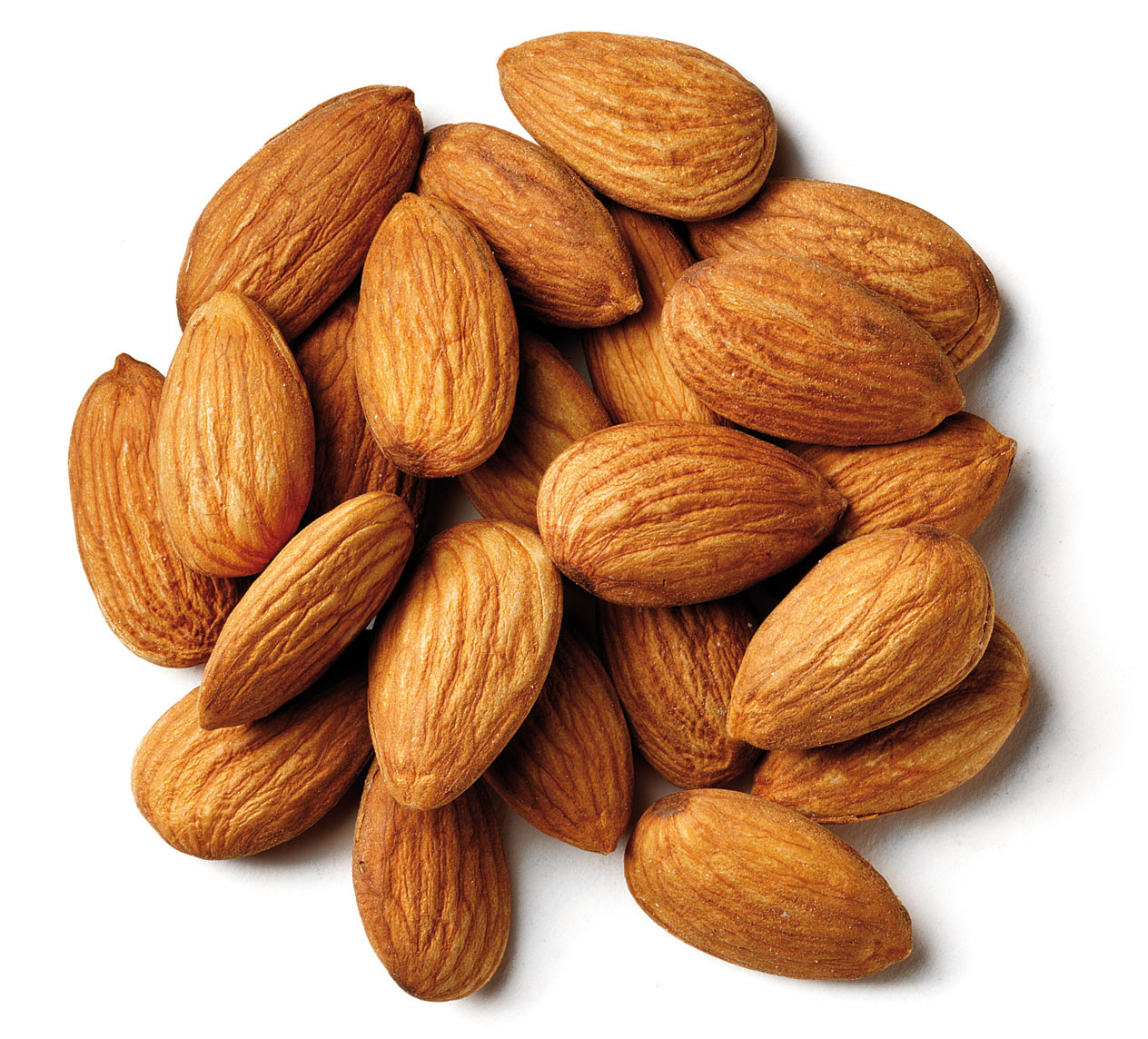
These energy-rich snacks lower bad cholesterol, thanks to plant sterols, and benefit diabetics by lowering blood sugar. They’re also rich in amino acids, which bolster testosterone levels and muscle growth.


Apples

Apples contain a flavonoid called quercetin, an antioxidant that may reduce the risk of lung cancer. Quercetin also reduces swelling of all kinds, reduces the risk of allergies, heart attack, Alzheimer’s, Parkinson’s, and prostate cancer.

 avocado

Avocadoes

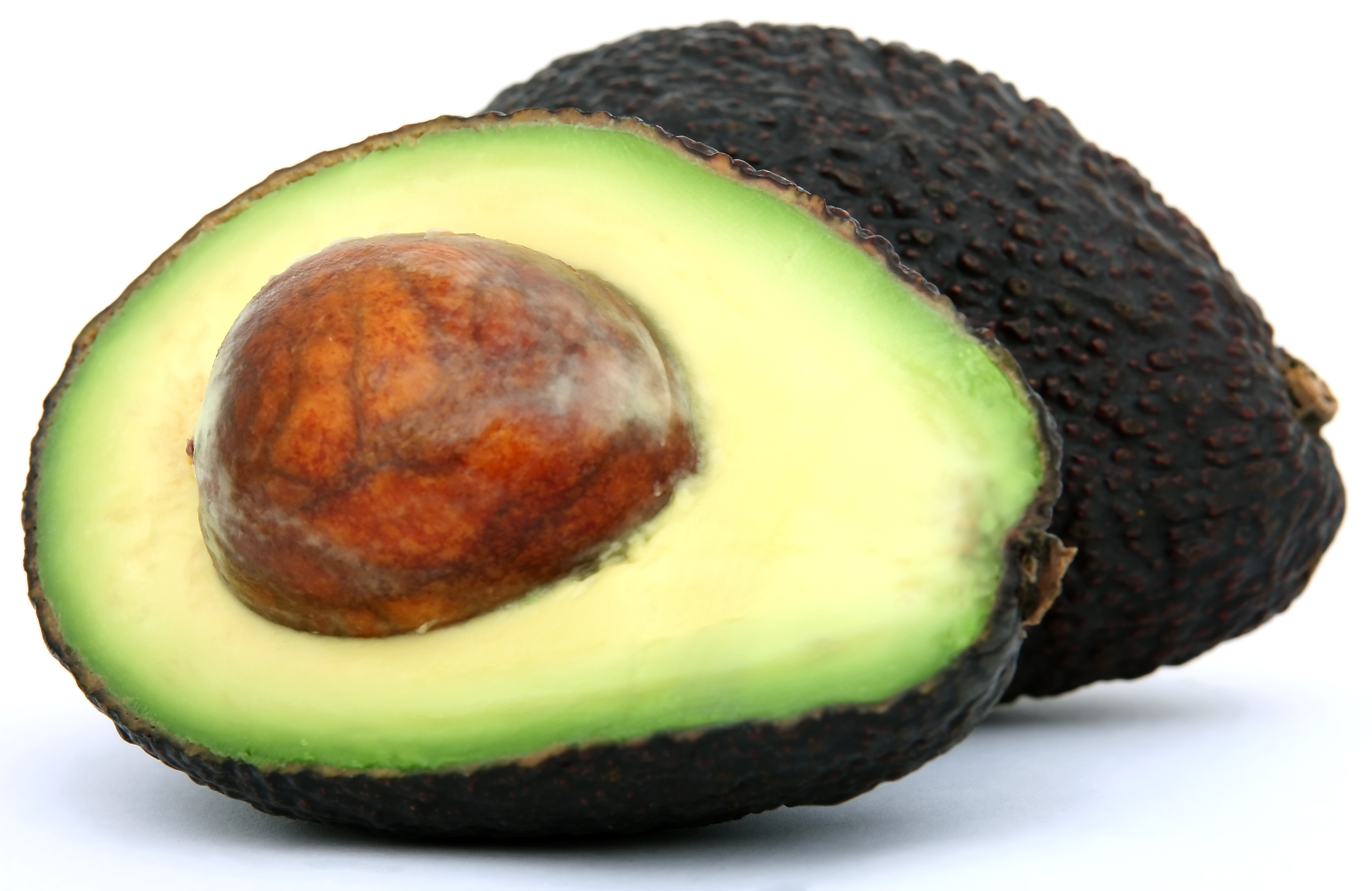
The myriad of healthy fats and nutrients found in avocados – oleic acid, lutein, folate, vitamin E, monounsaturated fats and glutathione among them – keeps you satisfied and helps you absorb other nutrients. They can help protect your body from heart disease, cancer, degenerative eye and brain diseases.

 black beans

Black Beans

A cup of black beans packs 15 grams of protein, with none of the artery-clogging saturated fat found in meat. Plus, they’re full of heart-healthy fiber, antioxidants that help your arteries stay relaxed and pliable, and energy-boosting iron. Beans help raise levels of the hormone leptin which curbs appetite. They also deliver a powerful combination of B vitamins, calcium, potassium and folate. All of this good stuff will help maintain healthy brain, cell and skin function and even helps to reduce blood pressure and stroke risk.


Blueberries

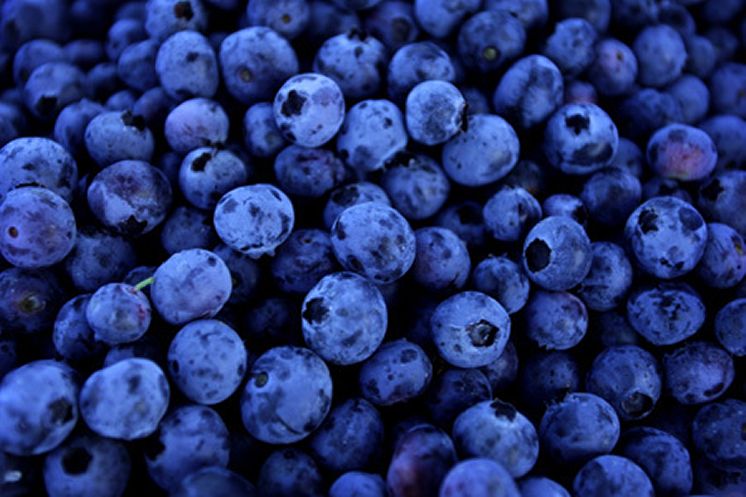
Blueberries are full of phytonutrients that neutralize free radicals (agents that cause aging and cell damage). The antioxidants in these berries may also protect against cancer and reduce the effects of age-related conditions such as Alzheimer’s disease or dementia. They improve memory by protecting your brain from inflammation and boosting communication between brain cells. Blueberries have the power to help prevent serious diseases like cancer, diabetes, heart disease, stomach ulcers and high blood pressure and can reduce “bad” cholesterol.

Broccoli

Cruciferous vegetables like broccoli contain phytonutrients that may suppress the growth of tumors and reduce cancer risk. One cup of this veggie powerhouse will supply you with your daily dose of immunity-boosting vitamin C and a large percentage of folic acid.

Brown Rice

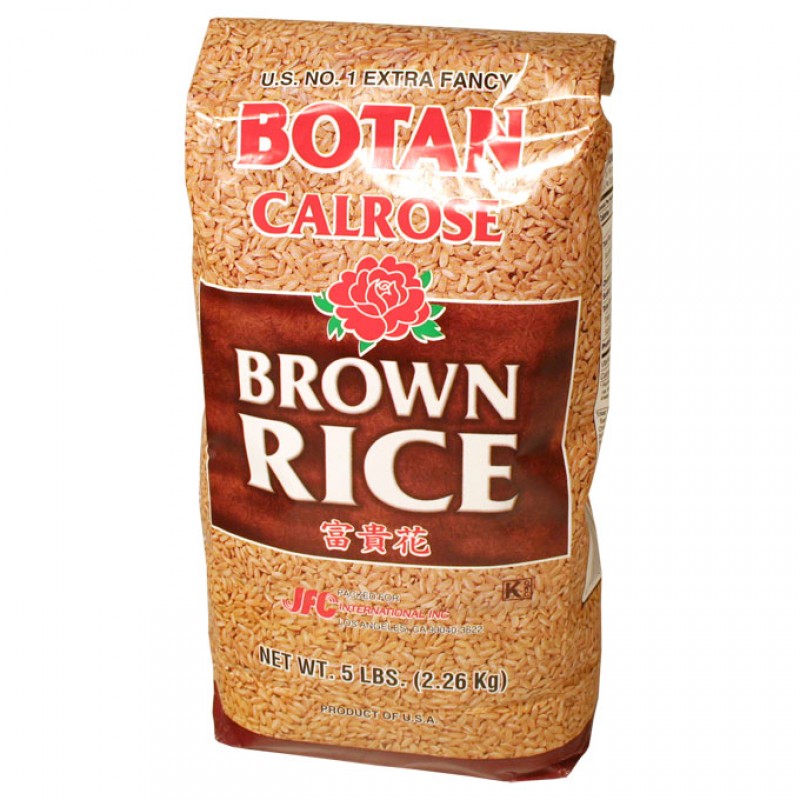
Brown rice is a good source of magnesium, a mineral your body uses for more than 300 chemical reactions (such as building bones and converting food to energy).

Edamame

One cup has an amazing 22 grams of plant protein, as well as lots of fiber, folate and cholesterol-lowering phytosterols.

Green Tea

Green tea has been used in traditional Chinese medicine for centuries to treat everything from headaches to depression. The leaves are supposedly richer in antioxidants than other types of tea because of the way they are processed. Green tea contains B vitamins, folate (naturally occurring folic acid), manganese, potassium, magnesium, caffeine and other antioxidants, notably catechins. Drinking green tea regularly is alleged to boost weight loss, reduce cholesterol, combat cardiovascular disease, and prevent cancer and Alzheimer’s disease.

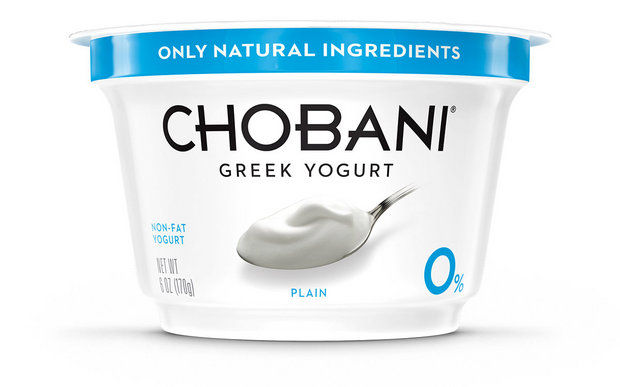
Greek Yogurt

Yogurt is low in calories, packed with calcium and live bacterial cultures. But Greek yogurt – which is strained extensively to remove much of the liquid whey, lactose, and sugar, giving it its thick consistency—does have an undeniable edge. In roughly the same amount of calories, it can pack up to double the protein, while cutting sugar content by half.

Kale

Kale contains a type of phytonutrient that appears to lessen the occurrence of a wide variety of cancers, including breast and ovarian. Though scientists are still studying why this happens, they believe the phytonutrients in kale trigger the liver to produce enzymes that neutralize potentially cancer-causing substances.

Oats

Full of fiber, oats are a rich source of magnesium, potassium, and phytonutrients. They contain a special type of fiber that helps to lower cholesterol and prevent heart disease. Magnesium works to regulate blood-sugar levels, and research suggests that eating whole-grain oats may reduce the risk of type 2 diabetes.

Salmon

Salmon contains omega-3 fatty acids, which the body cannot produce by itself. These fatty acids reduce inflammation, improve circulation, increase the ratio of good to bad cholesterol, protect against macular degeneration, depression, cognitive decline and may slash cancer risk. Salmon is also a rich source of selenium, which helps prevent cell damage, and several B vitamins and vitamin D.

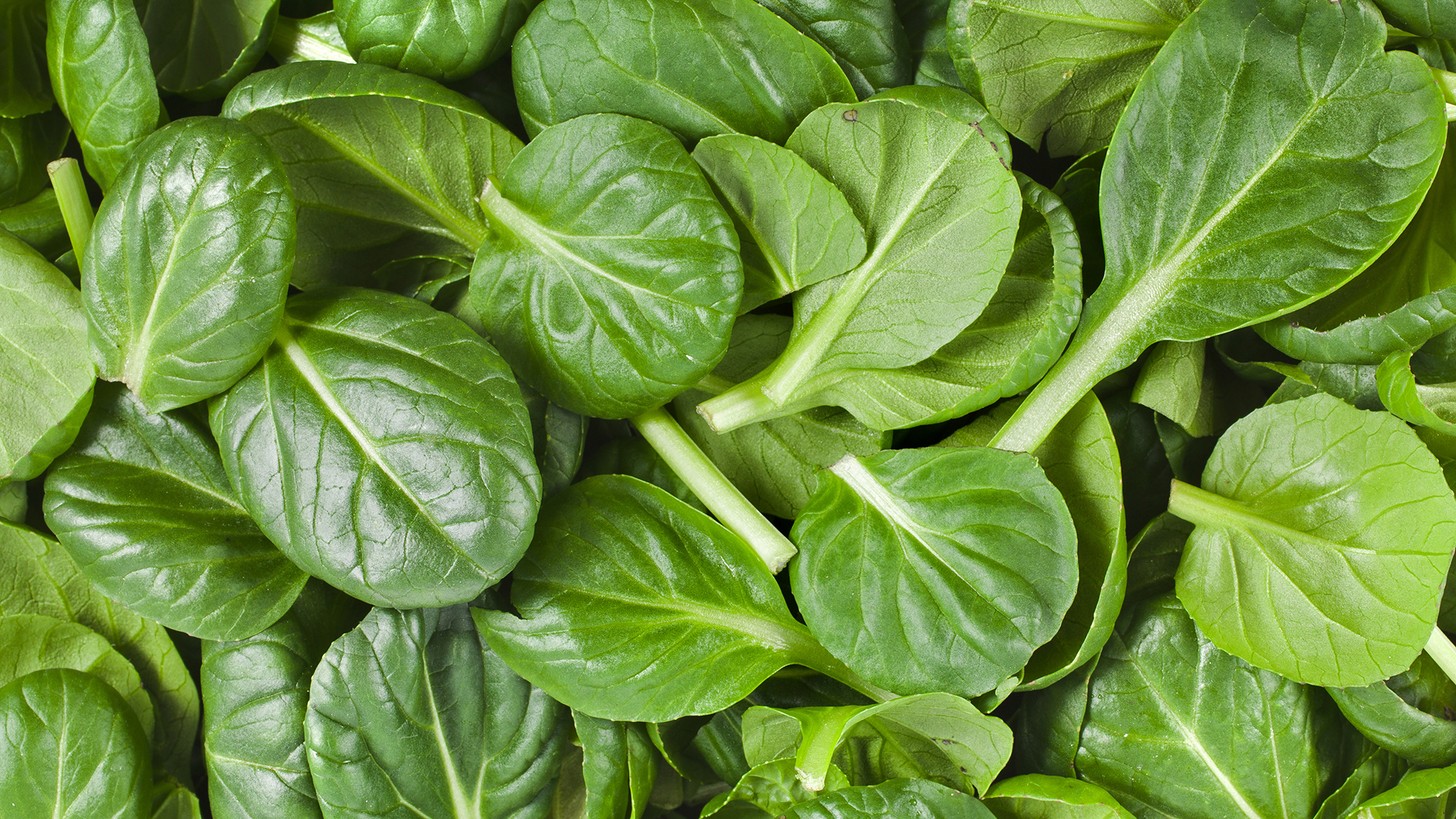
Spinach

A half-cup provides more than five times your daily dose of vitamin K, which helps blood clot and builds strong bones.

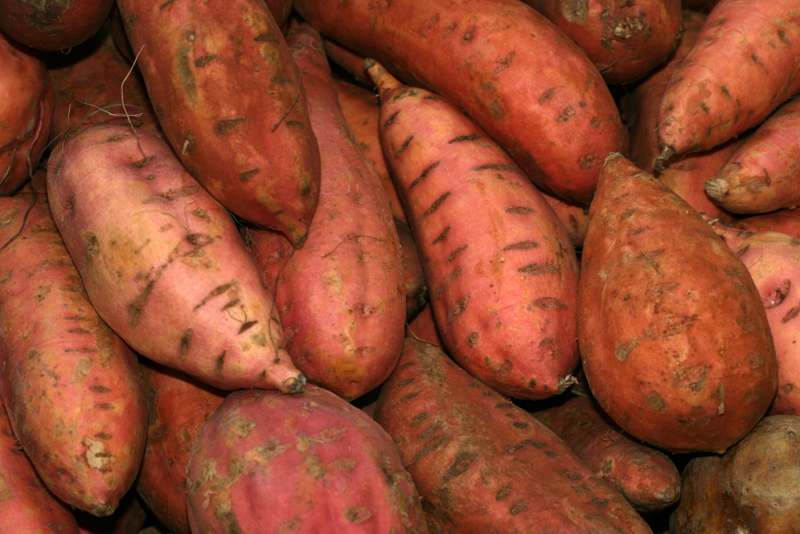
Sweet Potatoes

Half of a large baked sweet potato delivers more than 450% of your daily dose of vitamin A, which protects your vision and your immune system. This tuber is one of the healthiest foods on the planet. In addition to countering the effects of secondhand smoke and preventing diabetes, sweet potatoes contain glutathione, an antioxidant that can enhance nutrient metabolism and immune-system health, as well as protect against Alzheimer’s, Parkinson’s, liver disease, cystic fibrosis, HIV, cancer, heart attack, and stroke.


Tomatoes

Tomatoes contain lycopene, an antioxidant rarely found in other foods. Studies suggest that it could protect the skin against harmful UV rays, prevent certain cancers, and lower cholesterol. Plus, tomatoes contain high amounts of potassium, fiber, and vitamin C.

Resources

www.drfranklipman.com

www.health.com

www.health.usnews.com

www.menshealth.com

www.realsimple.com

www.webmd.com

www.womansday.com

Week 37: Chocolate

The t-shirt I wear to the gym says “Will Exercise for Chocolate,” and it exposes one of my indulgences. Who can resist the rich, velvety taste of a bite of chocolate? With Valentine’s Day fast approaching (believe it or not, Valentine’s cards are already on sale), it’s time to learn more about chocolate.

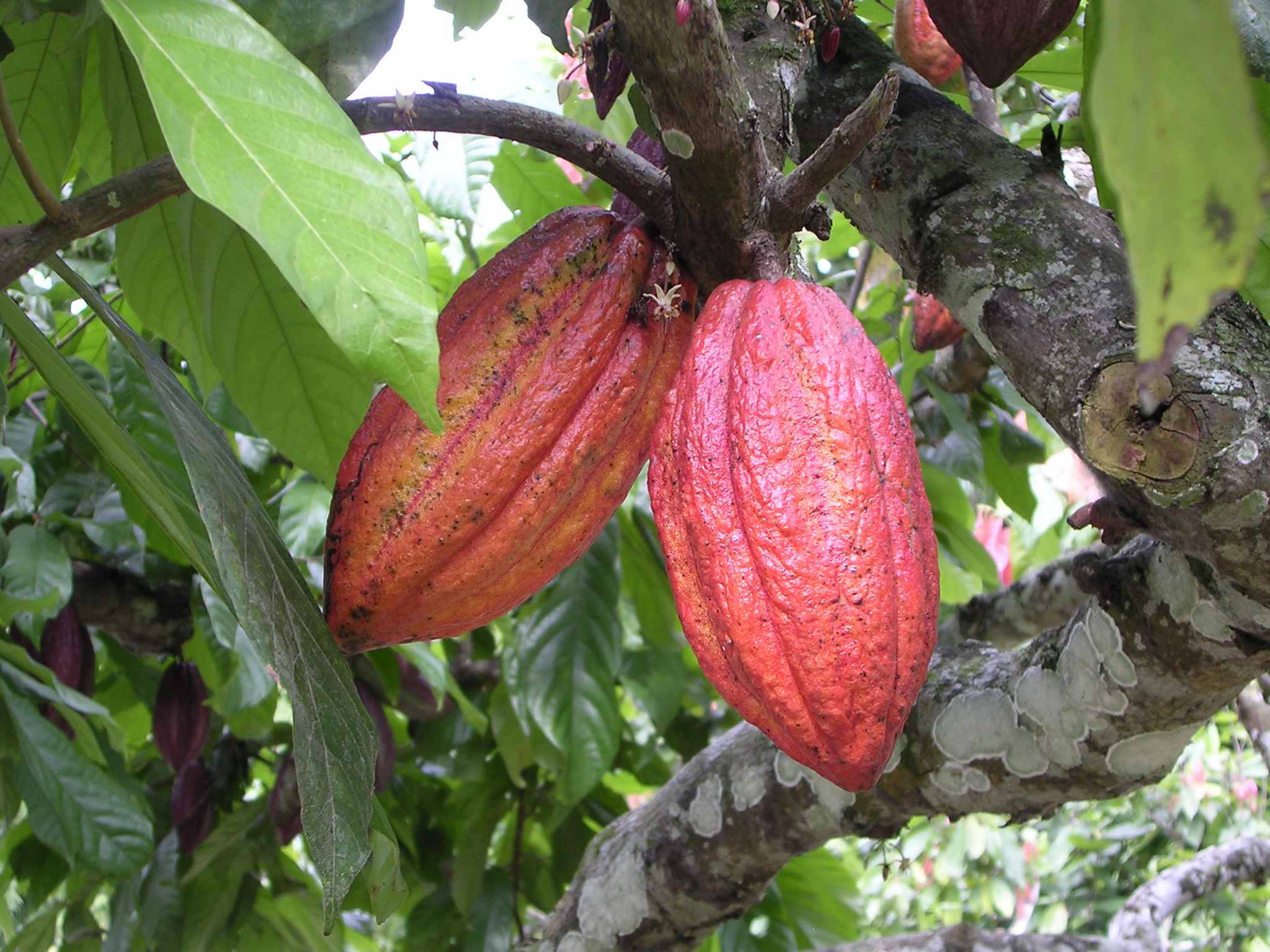
cocoa pods

Chocolate comes from the fruit of the cacao tree. The fruit of the tree grows as a pod, similar in size to a deflated football, off the main trunk of the tree. The trees can grow anywhere from 25 to 50 feet tall. Once harvested, each pod is cut open to reveal a milky white or pastel-hued pulp with 25-50 beans per pod embedded within. The majority of cacao trees grow within rain forests where the climate is very warm and humid and the fragile younger trees are sheltered from the strong, direct sunshine of the tropics. Once the trees are 5 to 8 years old, they can handle the direct sunlight without a problem, but seedlings often have to be shaded with banana leaves in areas of deforestation until they are older.

History

Historians agree that the earliest evidence of chocolate can be traced back to Indian tribes in Mexico and Central America around 1900 B.C. At first only the milky pulp surrounding the beans from the cacao pod was used as a drink called “cupuacu.” Later they discovered that roasting the beans over an open fire created a delicious treat. Roasted cacao beans began to be traded as legal currency – a pumpkin was 4 cacao beans, a rabbit was 10 cacao beans, a turkey was 100 beans, an avocado was 3 beans, and a slave could be purchased for 10 cacao beans! The Aztecs and pulverized cacao into a drink which they blended with water using a tool called a “molinillo” which is a wooden staff with decorated mixing rings. This blending tool is still used today in nearly every Latin American country. Cortes discovered the drink the Indians called “xocolatl” which was often spiced with chile, nuts or other spices and brought it back to Spain with him. This popular drink soon spread from Spain throughout Europe. The first full-scale, relatively modern chocolate factory was set up in Britain in 1728. The Dutch are credited with the method for separating the cacao mass from cacao butter, producing what we know as cocoa powder, and the Swiss developed the first modern bar of chocolate in 1819. In the mid-1870s they incorporated dry milk powder into chocolate creating the first milk chocolate. A Belgian manufacturer developed a technique for making pralines, or dipped and filled chocolates, in 1912. Just a few years later, in the United States, the Milky Way bar was developed by the Mars Corporation and thin quickly followed by the Mars Bar. Milton Hershey was the first person to put nuts in candy bars and added vegetable fats so combat troops could take chocolate bars into warm climates without having them melt. The Hershey factory is the largest chocolate manufacturing plant in the world, and the Hershey Bar is the best-selling chocolate bar in the world today.

Cocoa-Beans1

Harvesting and Processing

There are three main varieties of cacao: forestero, criollo and trinitario. Forestero is the most common and prolific due to its hardiness and resistance to diseases and pests. They are grown primarily in Africa, which accounts for about 70 percent of the world’s production of cacao. Stout and tannic forester beans are fermented for about a week to mello them.

Criollo beans are considered the highest grade and are used for top-quality chocolate blends and for many single-bean chocolates. The criollo has a more elongated pod which is low yielding and vulnerable to disease. They are low in astringency and require less fermentation, only about 3 days. Criollo beans account for only about 5 percent of the world’s cacao production.

Trinitario cacao is a hybrid of forester and criollo and was created on the island of Trinidad. The best trinitario beans are from Trinidad, of course, or Java.

I had the opportunity to visit Belize many years ago and see the cacao beans harvested and fermented. Cacao trees are too fragile for workers to climb, so harvesting cacao beans is done from the ground using “tumadores” or special, machete like blades on long handles. Then the pods are sliced open and fermented. The cacao beans and their gluey pulp are placed in pits dug in the earth or in wooden crates, covered with banana leaves and left to ferment. Fermentation turns the sugars into acids and changes the color of the beans from a pale color to a deep, rich brown. Once fermented, the beans are sun dried or dried using heater to prevent mold growth. They are manually raked and turned daily to dry out the moisture content. This takes about a week and then they are packed into canvas or plastic woven sacks for shipping.

At their various factory destinations, they are unloaded and sorted for leaves and foreign matter. Next they are roasted to a temperature between 210 to 290 degrees F. Quickly cooled, they are passed through a winnower which cracks the dusky outer shells and blows them away. The inner bean is crushed into smaller pieces called “nibs” to be made into chocolate. The nibs, about 50 percent fat) are crushed into a paste called “chocolate liquor” although it contains no alcohol. This process is called “conching.” Unsweetend or bitter chocolate is referred to as pure chocolate liquor and is usually sold in bars for baking. As the cacao paste is kneaded smooth, cocoa butter and coarse sugar are blended to make bittersweet or semisweet chocolate. Milk chocolate is made by kneading in dried milk solids or milk powder. “White chocolate” contains cocoa butter, sugar, and milk, but no cocoa solids.

The percentage of cacao or cocoa listed on a label – for example in baking chocolate – refers to the combined percentage of cacao solids and cacao butter in the product, not just cacao solids.

What is “tempering?”

Chocolate is composed of cocoa fat and sugar crystals. Before melted chocolate is cooled and solidified, the fat needs to be emulsified, otherwise the fat will rise to the surface and cause gray streaks. Tempering is a process which raises the temperature at which chocolate melts and also gives it a “snap” when it is broken. Tempered chocolate shrinks slightly, allowing chocolatiers to remove chocolate from molds.

Health Benefits

Centuries ago, cacao was used as a disinfectant, to alleviate apathy and the milky white pulp was used to facilitate birth. Chocolate is high in antioxidants and is an excellent source of calcium, magnesium and iron. Studies have shown that chocolate contains serotonin and some chemicals, like phenylethylamine (PEA), that are similar to components found in the drugs ecstasy and marijuana. People with depression tend to consume more chocolate than others, perhaps due to these chemicals. PEA has a similar effect on the chemistry of the brain to what we experience when we fall in love.

A 3.5 ounce serving of milk chocolate, however, contains 540 calories, 29.7 grams of fat, and 51.5 grams of sugar.

Storing Chocolate

Chocolate is very sensitive to temperature and humidity and thus should be stored around 60oF with a relative humidity of less than 50 percent. It should also be stored away from other foods, as it can absorb different aromas. “Blooming” can occur if chocolate is stored or served improperly. Fat bloom is caused by storage temperature fluctuating or exceeding 75.2oF, while sugar bloom is caused by temperature below 59 °F or excess humidity. To distinguish between different types of bloom, one can rub the surface of the chocolate lightly, and if the bloom disappears, it is fat bloom. Although visually unappealing, chocolate exhibiting bloom is perfectly safe to eat.

Resources

Desaulniers, Marcel. Death by Chocolate.

Lebovitz, David. The Great Book of Chocolate.

http://www.wikipedia.com


History

Historians agree that the earliest evidence of chocolate can be traced back to Indian tribes in Mexico and Central America around 1900 B.C. At first only the milky pulp surrounding the beans from the cacao pod was used as a drink called “cupuacu.” Later they discovered that roasting the beans over an open fire created a delicious treat. Roasted cacao beans began to be traded as legal currency – a pumpkin was 4 cacao beans, a rabbit was 10 cacao beans, a turkey was 100 beans, an avocado was 3 beans, and a slave could be purchased for 10 cacao beans! The Aztecs and pulverized cacao into a drink which they blended with water using a tool called a “molinillo” which is a wooden staff with decorated mixing rings. This blending tool is still used today in nearly every Latin American country. Cortes discovered the drink the Indians called “xocolatl” which was often spiced with chile, nuts or other spices and brought it back to Spain with him. This popular drink soon spread from Spain throughout Europe. The first full-scale, relatively modern chocolate factory was set up in Britain in 1728. The Dutch are credited with the method for separating the cacao mass from cacao butter, producing what we know as cocoa powder, and the Swiss developed the first modern bar of chocolate in 1819. In the mid-1870s they incorporated dry milk powder into chocolate creating the first milk chocolate. A Belgian manufacturer developed a technique for making pralines, or dipped and filled chocolates, in 1912. Just a few years later, in the United States, the Milky Way bar was developed by the Mars Corporation and thin quickly followed by the Mars Bar. Milton Hershey was the first person to put nuts in candy bars and added vegetable fats so combat troops could take chocolate bars into warm climates without having them melt. The Hershey factory is the largest chocolate manufacturing plant in the world, and the Hershey Bar is the best-selling chocolate bar in the world today.


Harvesting and Processing


Chocolate comes from the fruit of the cacao tree. The fruit of the tree grows as a pod, similar in size to a deflated football, off the main trunk of the tree. The trees can grow anywhere from 25 to 50 feet tall. Once harvested, each pod is cut open to reveal a milky white or pastel-hued pulp with 25-50 beans per pod embedded within. The majority of cacao trees grow within rain forests where the climate is very warm and humid and the fragile younger trees are sheltered from the strong, direct sunshine of the tropics. Once the trees are 5 to 8 years old, they can handle the direct sunlight without a problem, but seedlings often have to be shaded with banana leaves in areas of deforestation until they are older. I had the opportunity to visit a chocolate factory in Belize many years ago, although it was less “factory” per se and more a collection of huts where the cacao beans were processed.


There are three main varieties of cacao: forestero, criollo and trinitario. Forestero is the most common and prolific due to its hardiness and resistance to diseases and pests. They are grown primarily in Africa, which accounts for about 70 percent of the world’s production of cacao. Stout and tannic forester beans are fermented for about a week to mello them.


Criollo beans are considered the highest grade and are used for top-quality chocolate blends and for many single-bean chocolates. The criollo has a more elongated pod which is low yielding and vulnerable to disease. They are low in astringency and require less fermentation, only about 3 days. Criollo beans account for only about 5 percent of the world’s cacao production.


Trinitario cacao is a hybrid of forester and criollo and was created on the island of Trinidad. The best trinitario beans are from Trinidad, of course, or Java.


Cacao trees are too fragile for workers to climb, so harvesting cacao beans is done from the ground using “tumadores” or special, machete like blades on long handles. Then the pods are sliced open and fermented. The cacao beans and their gluey pulp are placed in pits dug in the earth or in wooden crates, covered with banana leaves and left to ferment. Fermentation turns the sugars into acids and changes the color of the beans from a pale color to a deep, rich brown. Once fermented, the beans are sun dried or dried using heater to prevent mold growth. They are manually raked and turned daily to dry out the moisture content. This takes about a week and then they are packed into canvas or plastic woven sacks for shipping.


At their various factory destinations, they are unloaded and sorted for leaves and foreign matter. Next they are roasted to a temperature between 210 to 290 degrees F. Quickly cooled, they are passed through a winnower which cracks the dusky outer shells and blows them away. The inner bean is crushed into smaller pieces called “nibs” to be made into chocolate. The nibs, about 50 percent fat) are crushed into a paste called “chocolate liquor” although it contains no alcohol. This process is called “conching.” Unsweetend or bitter chocolate is referred to as pure chocolate liquor and is usually sold in bars for baking. As the cacao paste is kneaded smooth, cocoa butter and coarse sugar are blended to make bittersweet or semisweet chocolate. Milk chocolate is made by kneading in dried milk solids or milk powder. “White chocolate” contains cocoa butter, sugar, and milk, but no cocoa solids.


The percentage of cacao or cocoa listed on a label – for example in baking chocolate – refers to the combined percentage of cacao solids and cacao butter in the product, not just cacao solids.


What is “tempering?”


Chocolate is composed of cocoa fat and sugar crystals. Before melted chocolate is cooled and solidified, the fat needs to be emulsified, otherwise the fat will rise to the surface and cause gray streaks. Tempering is a process which raises the temperature at which chocolate melts and also gives it a “snap” when it is broken. Tempered chocolate shrinks slightly, allowing chocolatiers to remove chocolate from molds.


Health Benefits


Centuries ago, cacao was used as a disinfectant, to alleviate apathy and the milky white pulp was used to facilitate birth. Chocolate is high in antioxidants and is an excellent source of calcium, magnesium and iron. Studies have shown that chocolate contains serotonin and some chemicals, like phenylethylamine (PEA), that are similar to components found in the drugs ecstasy and marijuana. People with depression tend to consume more chocolate than others, perhaps due to these chemicals. PEA has a similar effect on the chemistry of the brain to what we experience when we fall in love.


A 3.5 ounce serving of milk chocolate, however, contains 540 calories, 29.7 grams of fat, and 51.5 grams of sugar.


Storing Chocolate

Chocolate is very sensitive to temperature and humidity and thus should be stored around 60oF with a relative humidity of less than 50 percent. It should also be stored away from other foods, as it can absorb different aromas. “Blooming” can occur if chocolate is stored or served improperly. Fat bloom is caused by storage temperature fluctuating or exceeding 75.2oF, while sugar bloom is caused by temperature below 59 °F or excess humidity. To distinguish between different types of bloom, one can rub the surface of the chocolate lightly, and if the bloom disappears, it is fat bloom. Although visually unappealing, chocolate exhibiting bloom is perfectly safe to eat.


Resources


Desaulniers, Marcel. Death by Chocolate.

Lebovitz, David. The Great Book of Chocolate.

http://www.wikipedia.com



ABC’s of Healthy Eating

Broccoli wreath

The Christmas season is a time of celebration with family and friends that often includes an abundance of festive food and beverages. One of the most frequent New Year’s resolutions that people make involves losing weight and exercising.  Rather than overindulging during the holidays, consider mindfulness to monitor what you consume.  When the New Year approaches, you won’t moan as much when you get on the scale!

A – Always be conscious of what you eat

B – Be patient – improving your fitness takes time

C – Calories do count

D – Desserts aren’t mandatory – but if you have a sweet tooth, try fresh fruit, a frozen juice pop, or yogurt

E – Eliminate or reduce consumption of “white” foods – sugar, pasta, potatoes, bread & rice

F – Food is just fuel for our body

G – Go easy on the alcohol, sugary soft drinks and high calorie coffee concoctions

H – Hydrate – drink lots of water

I – Imagine yourself at your ideal weight

J – Just do it

K – Keep healthy snacks in the house – olives, nuts, edamame, popcorn (without butter), pretzels

L – Lots of fresh vegetables add color and fiber to your meal

M- Mindfulness is the key to avoid overeating

N – No fried foods!

O – Organic is better

P – Portion size matters

Q – Quit eating at “fast food” establishments

R – Read the labels

S – Slow down when you eat – it takes 20 minutes for your body to signal that it’s full

T – Take time to taste the flavor and texture of your meal

U- Use a smaller plate

V – Vitamins and minerals are essential

W – Weigh yourself the same time every morning

X – Exercise burns calories – go to the gym or get out and walk

Y – YOU control the fork!

Z – Zesty foods satisfy – use more herbs and spices to add zip to your food

My cookbook is available to preorder!

Layout 1The Admiral’s Chef: Recipes from a Navy Wife’s World Travels https://www.amazon.com/dp/1937943291/ref=cm_sw_r_cp_awd_M5VzwbG6AC8RY

Week 36: Curry

curry house

I read an article in the New York Times this past week that said Britons were troubled about a shortage of good curry chefs due to immigration restrictions (not against chefs, just limits on immigrants from India, Pakistan and Bangladesh).  Some British citizens feel that their national dish is not fish and chips with mushy peas, but rather a British colonial adaptation of chicken tikka masala – chunks of chicken in yogurt and spicy tomato paste. Nearly every village in the UK has at least one “curry house” so a shortage of chefs is perceived as a culinary crisis. In fact, curry is so important to the British that the UK celebrates National Curry Week each year, and it has its own committee in Parliament (the All Party Parliamentary Group of the Curry Catering Industry).

What is curry, really? The British use the term “curry” to refer to all Indian food.  Most people think of curry as a particular spice, but it is actually a spice blend. In the mid-1600s members of the British East India Company were trading with Kari (Indian) merchants along the southern Indian coast and were introduced to a spice blend used for making “kari” dishes called kari podi, or curry powder. Its primary ingredients were coriander, cumin and turmeric, which imparted a rich, golden color.

Recent research by anthropologists indicates that this distinctive spice blend has actually been around for 4,500 years. Scientists have found traces of cooked ginger and turmeric (which remain in use in curries such as lamb vindaloo today) in starch grains in human teeth and in a cooking pot found in the Indus Valley, home to one of the world’s first urban civilizations – along with those in Egypt and Mesopotamia – that extends across modern Pakistan and parts of India.

In Western cuisine, the curry powder we buy in the grocery store usually includes turmeric, chili, mustard, salt, pepper, fenugreek, cumin and coriander. Our son, Brian, spent a year working in Mumbai and had an opportunity to explore Indian cuisine.  He told me that “curry powder” doesn’t exist.  Instead, the Indians have masala, which is a  generic term used to describe any blend of spices in Indian cooking. Recipes vary by locale and from cook to cook. Some recipes are passed down from families, generation to generation. Masala can include up to 20 or more different spices and can be red, yellow, or brown.

Masala

“Curry” refers to the dish that you make with masala. Curries may contain fish, meat, poultry, or shellfish, and sometimes are completely vegetarian, like ones made with only lentils or cauliflower.

During the 19th century, curry was also carried to the Caribbean by Indian indentured workers in the British sugar industry. Since the mid-20th century, various types of curried dishes have appeared everywhere in global  cuisine  – from India and throughout  Asia  to North America, the Caribbean, Europe and Africa.

Health Benefits

Among the health benefits of curry is reducing inflammation of the joints. In fact, recent research shows that turmeric helped to prevent the swelling of joints in rats that had arthritis. And it’s not only arthritis that it may be helpful for. Other studies suggest that this powerful spice may also help protect us against cancer, heart disease and even Alzheimer’s disease.

In reference to Alzheimer’s. one test tube study showed that curcumin, a natural phenol responsibility for the yellow color in turmeric, may help clear the brain of protein deposits thought to cause Alzheimer’s. Another study of older men in Singapore found that those who ate a lot of curry performed better in memory tests.

At one of the world’s most renowned cancer centers, MD Anderson Center in Texas, animal studies have shown that curcumin seems to turn off genes that can trigger the onset and spread of breast cancer. In a human study, curcumin shows some promise, in a handful of patients, in stabilizing pancreatic cancer. As of June, 2015 the US National Institutes of Health register of clinical trials shows 116 clinical trials on humans evaluating the possible anti-disease effect of curcumin in treating cancer, gastrointestinal disease, cognitive disorders, and psychiatric conditions.

Resources

http://www.bbc.co.uk/food

http://www.clinicaltrials.gov

http://www.indepthinfo.com

http://www.nytimes.com

http://www.phoenixnewtimes.com

http://www.slate.com

http://www.smithsonianmag.com