Super Soups: Lobster Stew


lobster-corn-chowder2

Here in New England the landscape is dusted with snow and it’s a perfect time to warm up with  a pot of lobster stew. So, add a log to the fireplace, pour a glass of wine and tie on your apron!

Lobster Stew

Ingredients:

1 quart of seafood stock

2 T. tomato paste

2 c. heavy cream

2 T. butter

2 c. lobster meat, cut into bite-sized pieces

2 c. red potatoes, diced

1 c. frozen corn

½ c. celery, diced

1 t. parsley

¼ t. cayenne

½ c. cooking sherry

3 T. cornstarch mixed with cold water

Salt and pepper

Directions:

Boil diced red potatoes until they can just be pierced with a fork. Remove from heat and drain. In a Dutch oven or stock pot, combine all ingredients, including cooked potatoes, and bring to boil. Season with salt and pepper to taste. Add cornstarch mixture and stir until stew is desired thickness. Serves 4.

K’UL Chocolate

kul-5

I recently had the opportunity to taste some fabulous artisan chocolate crafted by the K’UL Company of Minneapolis. (Wish you were here to assist!)

The name K’UL (pronounced cool) comes from the Mayan word for energy. The chocolate bars are promoted as a superfood providing the energy to do more and to do it better. The K’UL chocolate makers directly import their cacao beans from farms in Brazil, Costa Rica, Ecuador and Peru eliminating the middle man. The farms are chosen not only because they have great tasting cacao beans, but also because they are professionally managed, have well-paid labor, and practice sustainable, environmental-conscious organic farming. All K’UL bars are 70% cacao, vegan, gluten free, soy free and dairy free.

Chocolate tasting is an art in itself, involving all five senses. First, use your nose and start by smelling the chocolate. Taste is 75% aroma and these chocolate bars were rich with the fragrance of cocoa. Next, use your eyes as you need to evaluate the appearance of the chocolate. All of the K’UL bars were deep brown in color with a polished sheen. Let’s use our sense of touch. These bars were smooth in texture except where extra ingredients were added for more complexity. What does a good chocolate bar sound like?  When you bite into one or break off a piece, you should hear a distinct “snap,” indicating that they have been properly tempered. (Tempering prevents the dull grayish color and waxy texture that happens when the cocoa fat separates out.) And last, but most important, is the way the chocolate tastes. Did you know that chocolate has 400 flavor profiles? That’s more than a fine wine! Let is slowly melt in your mouth. Using your tongue, move the chocolate to the roof of your mouth. Move your tongue back and forth to warm the chocolate for full appreciation. Mmm! The K’UL bars had no bitter after taste, either.  I must admit they were the finest I’ve ever tasted!

Peru

Made from the world’s rarest cacao white bean, this single origin chocolate bar has a distinct orange accent, with a slight butterscotch flavor and floral notes. I compared this bar to a Lindt Intense Orange dark chocolate bar which I had on hand, and the Lindt chocolate  tasted like vegetable shortening by comparison.

Brazil

This single origin bar was one of my favorites (but then, they all were.) Deep, dark and rich, it felt like velvet on my tongue. I detected malt, fruit, brown sugar and maybe a hint of coffee.

Electrobar

This chocolate bar was chewy and tangy with a slightly crumbly texture. The added bananas and coconut make this one truly healthy and delicious. What a great way to enjoy chocolate for breakfast!

Power

Perfect to tuck in your gym bag, this superfood bar is packed with protein from peanuts and currants!

Endurance

The Endurance bar combines premium dark chocolate with cranberries, guarana and pumpkin seeds, which add a nice toasted nut flavor.

Stamina

The stamina bar was also one of my favorites. It was a luscious dark chocolate enhanced with maca root, cranberries, cherries, pomegranate and raspberries. I wonder if this could count in my diet as a serving of fruit?

Saltsation

The rich chocolate flavor of the Saltsation bar is enhanced with the addition of sea salt.

Marcona Almonds

Hand roasted almonds added a crunchy, crispy texture to this velvety chocolate.

Vanilla

The blend of dark chocolate with pure vanilla added even greater depth to the deep cocoa flavor.

Haiti

Rich and silky smooth, this single origin bar has the flavor of fruit, floral notes like jasmine and a hint of licorice.

Ecuador

The single origin bar from Ecuador has a buttery flavor that made me think of brown sugar and butterscotch.

For more information and ordering these and other K’UL chocolate bars, visit www.kul-chocolate.com


Travel: The Grand Canyon

IMG_3832

I have just returned from a week at the Grand Canyon, where our oldest son, Brian, is working as a Law Enforcement Officer for the National Park Service. The vistas were spectacular – pastels of pink, sage green and purple with an occasional California condor gliding overhead. We hiked, biked and explored the South Rim. Unfortunately the mule ride to the base of the canyon and the river rafting trips down the Colorado River are booked months in advance, so they will each have to wait for a future visit.

IMG_3881

The Grand Canyon encompasses 2,000 square miles and is over a mile deep with the Colorado River running through it. It is 277 miles long and up to 18 miles wide. The ecology of the canyon changes from north rim to south rim. From tall pines to desert cactuses, the canyon offers plants from 5 of the 7 vegetation zones in the U.S. The weather also varies greatly from the rim, where it is moderate and breezy to the base where it is much hotter (temperatures of 107oF expected today!)

Desert View Watch Tower

Desert View Watch Tower

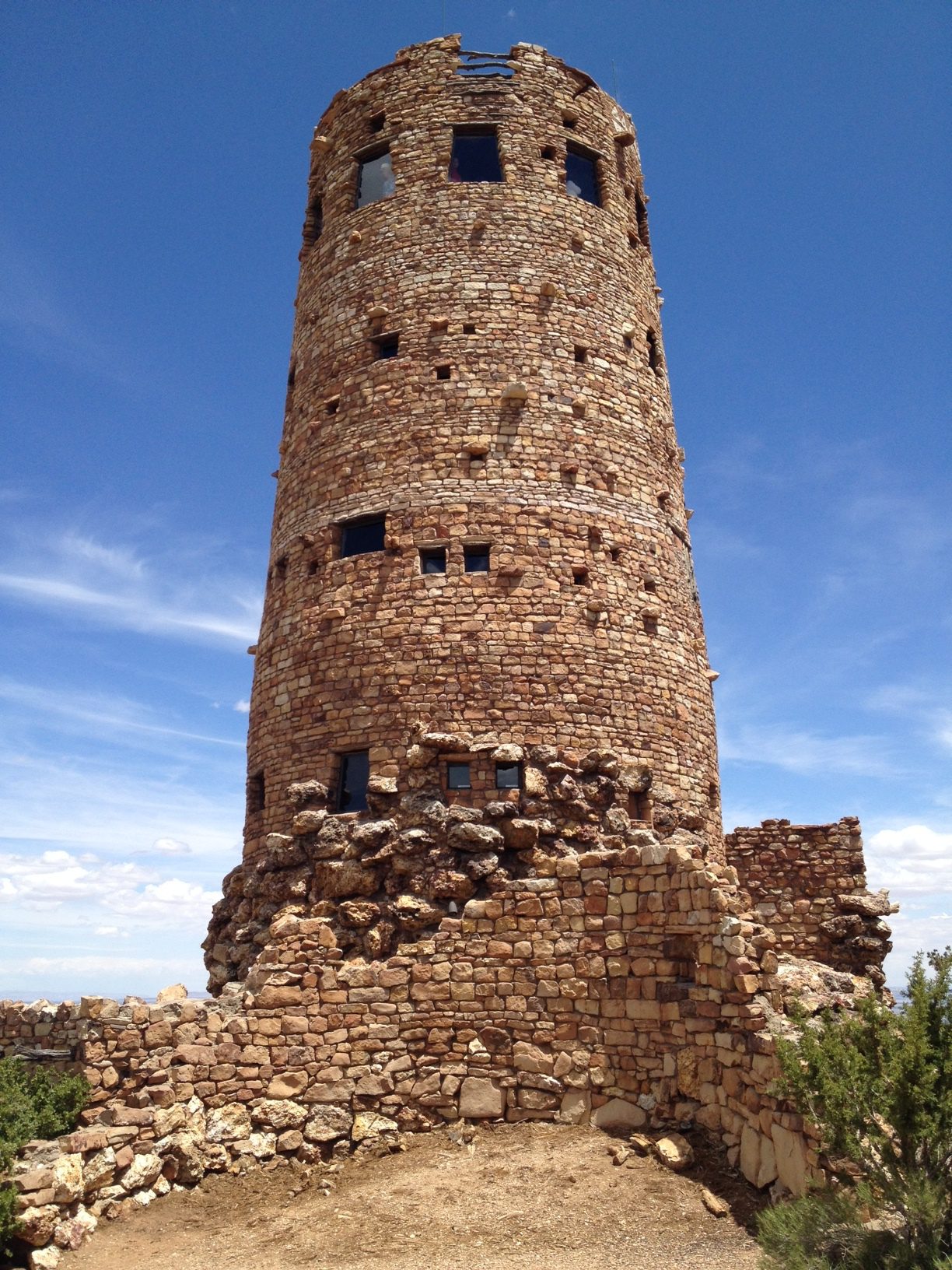
I especially enjoyed learning about the history of the canyon and admired the architecture designed by Mary Colter to capture the essence of the southwest – a stone watchtower with the interior adorned with Native American mural and the Hopi House with its handmade Native American treasures – beautiful woven rugs of bold earth tones, turquoise and silver jewelry and splendid pottery.

Navaho Medicine Bowl

Navaho Medicine Bowl

This is a medicine bowl used for ceremonial purposes and is etched with drawings of a Yei or Navajo deity, similar to the Hope Kachinas. Navajo pottery is formed using rolled coils of clay which are then hand burnished and fired in a pit using wood and dung. The “fire clouds” or black markings that appear on the clay result from the hot coals directly touching the pots during the hand-firing process. Most pottery vessels were used in cooking. If it was used for water storage, it was covered in pine pitch to make it waterproof.

The Tusayan Museum in the park includes an 800-year old ruin of a U-shaped pueblo that contains living areas, storage spaces and a kiva, or ceremonial circle. Tree ring studies indicate that the site was occupied for about twenty years, beginning around 1185. I especially enjoyed the exhibits of Native American artifacts found in the park and the side trail which identified how the early inhabitants used the vegetation. The pinon pines, for instance, were used for firewood, their pitch was used to waterproof baskets and the pine nuts were harvested for food.

It was a great trip!


Summer Cold Remedy Tea

Turmeric tea

Now that you know about all the health benefits of turmeric, prepare this citrus ginger turmeric mixture to have on hand the next time to feel a cold coming on. The lemon decreases the strength of the cold virus, the ginger soothes your throat after coughing, and the honey contains tryptophan which will help you sleep at night.

Ingredients:

2 lemons, thinly sliced with seeds removed

1 orange thinly sliced

2 inches of fresh ginger root, peeled and minced

1 T. of ground turmeric

1 c. honey

Directions:

Mash the ginger root with a mortar and pestle to make a paste. Combine all ingredients in a jar and store in refrigerator for up to one month. To make a cup of tea, simply put a heaping tablespoon of the mixture into a tall mug and fill with boiling water.

Week 52: Turmeric

Turmeric

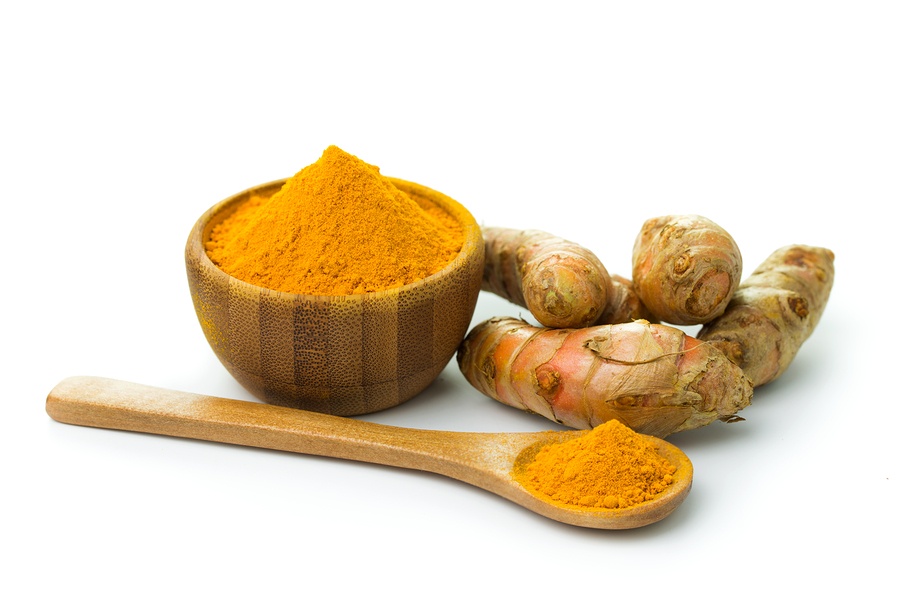
Turmeric is an orange-colored spice native to India and Indonesia, revered for its culinary and therapeutic benefits. Turmeric gives the curry its bright yellow or orange color and contributes to its peppery, warm, and mildly bitter taste. It also provides a tangy and ginger-like fragrance.

Turmeric is a root crop known for its tough brown skin and bright orange flesh. For more than 5,000 years, this root crop has been cultivated in the tropical regions of Asia. During the 13th century, turmeric was introduced to western countries by Arab traders. Its popularity has slowly spread across the globe. Today, the leading producers of this aromatic spice are India, Indonesia, China, Taiwan, the Philippines, Haiti, and Jamaica.

First used as a textile dye, turmeric has been used for its medicinal properties in China and India for thousands of years. Turmeric is also used as a food additive to create a rich, yellow color in canned beverages, baked products, dairy products, ice cream, yogurt, yellow cakes, orange juice, biscuits, popcorn color, cereals, sauces, and gelatins.

Health Benefits

Turmeric is arguably the most powerful herb on the planet at fighting and potentially reversing disease. It has so many healing properties that currently there have been 6,235 peer-reviewed articles published proving the benefits of turmeric.

Turmeric’s active ingredient is an extracted compound called curcumin. Among the health benefits of curcumin is reducing inflammation of the joints characteristic of arthritis. Other studies suggest that this powerful spice may also help protect us against breast, lung, stomach, liver, and colon cancer, heart disease and even Alzheimer’s disease by reducing some levels of beta amyloid plaque in the brain, a compound associated with cognitive decline.

Turmeric has the ability to improve the effects of diabetic medications and help in controlling the disease. It reduces the risks of developing insulin resistance, a physiological condition in which the cells fail to respond to the normal actions of the insulin hormone.

Research also suggests that turmeric can help reduce total cholesterol, low-density lipoprotein (LDL or “bad”) cholesterol, and triglycerides in overweight people with high cholesterol. Turmeric may also relax blood vessels and minimize heart damage after suffering a heart attack.

So for inflammation and more, it appears that turmeric could be the supplement you’ve been searching for. When searching for a turmeric supplement, however, be sure to choose one that includes the black pepper extract piperine. Without it, the curcumin that is ingested gets metabolized before it’s absorbed.

Preparation

Our local Asian market in Portsmouth, NH sells turmeric rhizomes. You can make your own fresh turmeric powder by boiling, drying and then grinding the roots into a fine powder.

However, its deep color can easily stain, so quickly wash any area with which the turmeric has come into contact with soap and water. To prevent staining your hands, you might consider wearing kitchen gloves while handling turmeric.

Side Effects

Some people have reported allergic reactions to turmeric, especially after skin exposure. Typically this is experienced as a mild, itchy rash. People taking certain medications should also be careful when using turmeric in their food or supplementing with it. Turmeric may interfere with anti-coagulants like aspirin, and warfarin. It also can affect medications such as non-steroidal, anti-inflammatory drugs. As with any herb or supplement, use as directed.

So why wouldn’t you try this natural ingredient for better health? It could just be the “spice of life.”

Resources

www.draxe.com

www.tophealthsource.com

www.thetruthaboutcancer.com

www.webmd.com

www.whfoods.com


Spinach and Mushroom Lasagna

Spinach-and-Mushroom-Lasagna-040

This Spinach and Mushroom lasagna is a great vegetarian alternative to the classic meat lasagna.

Ingredients

12 lasagna noodles

2 T. butter

1 T. extra virgin olive oil

1 clove garlic, minced

4 lbs. mushrooms, washed and sliced

2 lbs. spinach

2 T. butter

¼ c. flour

2 c. half and half

¼ t. nutmeg

1-16 oz. carton ricotta cheese

1 egg

½ c. grated parmesan cheese

¼ c. fresh basil, sliced thinly

8 c. grated mozzarella cheese

Directions

Preheat oven to 350o F. Cook lasagna noodles in boiling, salted water until al dente. Drain. In a large skillet, melt butter and olive oil and sauté garlic, mushrooms and spinach until mushrooms are tender and spinach is wilted. In a sauce pan over medium heat, make the white sauce. Melt butter and stir in flour and nutmeg. Whisk in half and half until smooth, well-blended and cook over low heat until slightly thickened. In a small bowl, combine ricotta cheese, the egg, grated parmesan cheese and fresh basil and stir until well-blended. To assemble: Line a baking dish with one layer of lasagna noodles, slightly overlapping them. Spread one half of the spinach mixture over the noodles. Pour 1 c. of the white sauce over the spinach mixture. Sprinkle with half the grated mozzarella cheese. Dot with spoonsful of the ricotta cheese mixture. Place a second layer of overlapping lasagna noodles on top of the ricotta. Spread the second half of the ricotta over the noodles. Put the remaining spinach mixture over the ricotta and pour the rest of the white sauce on the spinach mixture. Sprinkle the rest of the mozzarella cheese on top. Bake for 30 minutes. Serves 8.

Week 51: Oodles of Noodles

noodles

Nearly every culture has a form of noodle to compliment its cuisine. The word “noodle” derives from the German word nudel. Generally made of unleavened dough (no yeast), they are cut into strips, shaped or dropped by the teaspoon into boiling, salted water to cook, or are steamed or fried.

In the Philippines noodles represent long life and good health and it is believed that they must not be cut short so as not to corrupt the symbolism. The Filipino noodle dish pancit is served to celebrate the birth of a child and on subsequent birthdays. Kugel is a baked pudding or casserole made from egg noodles (Lokshen kugel) or potato and is a traditional Jewish dish, often served on Shabbat and Yom Toy. In the northwestern region of China and Central Asia, Uighurs and Uzbeks make a dish called manta, steamed dumplings filled with mutton and pumpkin and served with cream. In Turkey, the dish evolves into manti, tiny tortellini-like dumplings that are boiled and served with yogurt, mint-infused oil, paprika, and crushed walnuts.

History

The Chinese made noodles as far back as 3,000 BCE, although the first written evidence of noodles in China was not until 206 BCE. An excavation of an Etruscan tomb shows drawings of natives making pasta in the 4th century BCE, and in the 1st century BCE, Horace wrote of fried sheets of dough called lagana. Arabs took noodles, string-like shapes made of semolina flour and dried before cooking, with them on long journeys in the 5th century. Wheat noodles (udon) were adapted by a Buddhist monk in Japan in the 9th century from an earlier Chinese recipe. Persian resteh noodles were eaten in the 13th century. Pasta has been a staple for Italian families for generations.  Marco Polo is credited with bringing pasta to Italy after his exploration of the Far East in the 13th century and written records of spatzle in Germany date to 1725.

Health

A virtually fat free and salt free food, noodles are low on the Glycemic Index (GI). The Glycemic Index is a ranking of carbohydrates and the effect they have on our blood glucose levels. A low GI carbohydrate is digested more slowly and satisfies hunger longer without increasing blood sugar levels.

Classification

Noodles are usually classified according to ingredients.

Acorn noodles – Korean noodles known as dotori guksu made of acorn meal, wheat flour, wheat germ, and salt.

Cellophane noodles – made from mung beans, potato starch or canna starch.

Kelp noodles – made from seaweed.

pasta

Pasta – Italian noodles made using semolina flour, which comes from grinding kernels of durum wheat. Sometimes the semolina is mixed with other flours. It is then mixed with water until it forms sticky dough. Additional ingredients are then added to the pasta, like eggs to make egg noodles, or spinach or tomato to make red or green colored pasta. Pasta is formed into various shapes. Here are some of the most common:

Alfabeto—tiny alphabet letter pasta

Agnolotti—shaped like half moons

Anellini– little rings

Anolini—ravioli in half-moon shape with ruffled edges

Bucatini—long, fat hollow strands like spaghetti

Capelli d’angelo—angel hair pasta; very fine long strands

Castellane—rigid shell shape

Conchigliette- little conch shells

Ditali—small tubes like “thimbles”

Farfalle—bow-tie or butterfly shapes

Fusilli– shaped like a corkscrew

Gnocchetti—small oval dumplings

Maccheroni—little elbows

Mezzi Tubetti—larger hollow tubes

Millerighe– large rigatoni with ribbed sides

Orecchiette—shaped like little “cups” or “ears”

Paccheri– very large tubes

Penne piccolo– small narrow tubes with ends cut on diagonal

Rigatoni—big hollow tubes

Rotelle—small wheels

Rotini– small corkscrews

Sedanini—thin, hollow tubes

Spaghetti—long strands

Spellete- little stars

Tagliarini– similar to linguine with a flat side, but thinner

Vermicelli– similar to spaghetti, but thinner
Rice noodles

Rice vermicelli – also known as rice sticks, they are long and thin

Idiyappam – Indian rice noodles

Khanom chin – fermented rice noodles used in Thai cooking

Pancit noodles – very thin rice noodles used in Filipino cooking

Soba noodles

Somen – thin Japanese noodles often coated with oil

Spatzle – a German noodle made of wheat and eggs

Udon – thicker Japanese wheat noodles

Preparation

Always cook pasta in a large pot of boiling water to keep it from being sticky.  Never add oil to the water or you inhibit the ability of the sauce to cling to the pasta.  Also, it is not necessary to drain the pasta after cooking unless you are going to serve it cold in a pasta salad. Generally, you should use thinner pastas with thin sauces and thicker shapes with thicker sauces as the sauce will coat the shape and cling to it better.

The proper way to eat spaghetti is to wind the spaghetti up on the fork and eat it in one bite. It is very impolite to eat half of the noodles and let the other half to fall back into your plate. In Asia cultures, making slurping sounds while eating noodles shows that you are really enjoying the meal!

Resources

Fukushima, Shunsuke. Japanese Home Cooking.

Marlani, John. The Dictionary of Italian Food and Drink

www.theatlantic.com

www.wikipedia.com

Seafood Crepes

crepes

These seafood crepes are great for brunch too. Pair with a green salad and a crisp white wine.

Ingredients:

Crepes

¾ c. milk

¾ c. water

3 egg yolks

1 ½ c. flour

5 T. melted butter

Filling

2 T. butter

2 T. scallions, minced

½ c. sliced mushrooms

3 c. diced lobster, shrimp, crab, or scallops

Sauce:

3 T. butter

¼ c. flour

¾ c. milk

¾ c. chicken stock

1/3 c. sherry

Topping (Optional)

1 c. Swiss cheese

Paprika

Directions:

For crepes – Combine all ingredients for crepes in bowl and beat until smooth. Cover and refrigerate for one hour to allow flour particles to expand an soften. Spray an 8 inch skillet with nonstick coating and heat over medium high heat. Measure about ¼ c. of the batter into the skillet and tilt the skillet to spread the batter evenly in a thin film. Cook one minute or until golden. Turn and cook about 30 seconds. Remove from skillet and stack between wax paper or parchment paper.

For filling – Sauté scallions and mushrooms in butter. Gently stir in seafood and set aside.

For sauce – Melt butter in sauce pan and blend in flour. Whisk in milk, chicken stock and sherry. Cook and stir until mixture bubbles and thickens.

To assemble, blend half the sauce into seafood. Place ¼ c. seafood mixture onto each crepe and roll up. Arrange in buttered baking dish. Spoon the remaining sauce over crepes. Sprinkle with cheese and sprinkle with paprika. Refrigerate until ready to bake. Preheat oven to 425oF. Bake for 20 minutes or until bubbling hot. Serves 6-8.

Week 50: Lobsters

lobster1

I love living on the Seacoast! My cottage is just a block from the beach and I get to hear the lobster boats go out in the early morning, just before the sun comes over the horizon. And did I mention lobsters? They are plentiful and inexpensive here.

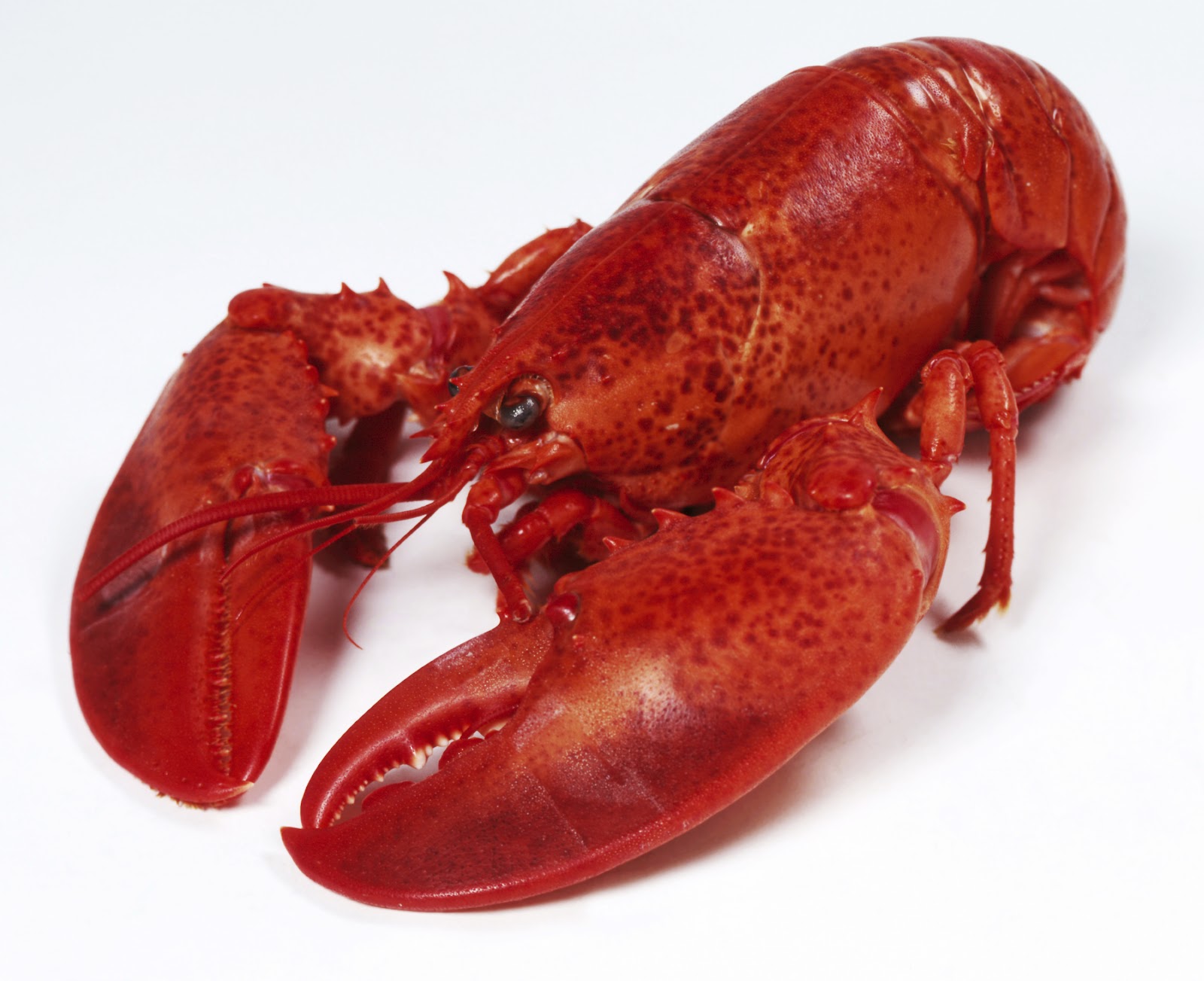
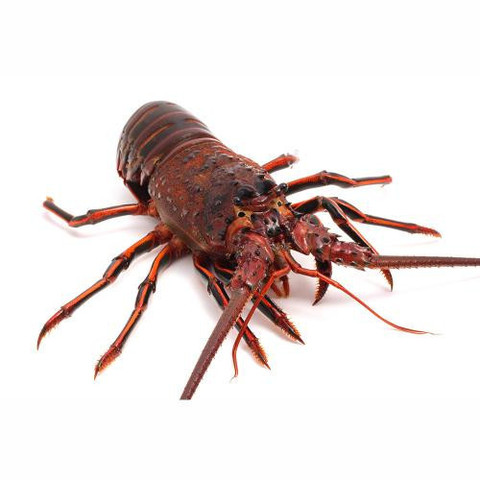
Most of the lobsters we are familiar with are the cold water clawed marine crustaceans referred to as the “true” lobster, but there are tropical varieties as well which include the spiny lobsters and slipper lobsters (which have no claws), squat lobsters, and crayfish.

Lobsters are found in all oceans. They live on rocky, sandy, or muddy bottoms from the shoreline to beyond the edge of the continental shelf. They generally live singly in crevices or in burrows under rocks. They are omnivores and typically eat live prey such as fish, mollusks, other crustaceans, worms, and some plant life. They scavenge if necessary.

Lobsters are invertebrates with a hard exoskeleton, which means they have to molt as they grow. Lobsters, like snails and spiders, have blue blood due to the presence of hemocyanin which contains copper. In general, true lobsters are 10-20 inches long (although they can grow up to four feet long and weigh as much as 40 pounds), and move by slowly walking on the sea floor. However, when they flee, they swim backward quickly by curling and uncurling their abdomens. They live to be about 70 years old and are able to add new muscle cells at each molt. This longevity may be due to an enzyme that repairs long repetitive sections of DNA sequences at the ends of chromosomes, called telomeres.

Did you know that lobsters were once so plentiful that after a storm they would wash ashore in deep piles? They were gathered by hand until the mid-19th century when lobstermen started using baited, one-way traps with a color-coded marker buoy to mark cages. Cages are of plastic-coated galvanized steel or wood. A lobster fisherman may tend as many as 2,000 traps!

Once caught, lobsters are graded as soft shell (or shedders), hard-shell, or old-shell, soft shell lobsters have paper-thin shells and a poor meat-to-shell ratio, but the meat is very sweet. Hard-shell lobsters with firm shells, have more but with less sweet meat, so they command a higher price. Meanwhile, old-shell lobsters, which have not shed since the previous season have a coarser flavor. Culls are lobsters which have lost one of their claws.

spiny-lobster

Spiny lobsters (langouste or rock lobsters) – Although they superficially resemble true lobsters in terms of overall shape and having a hard exoskeleton, they are distinguished from true lobsters by their lack of claws. They are found throughout all warm seas, especially in Australia, New Zealand, South Africa and the Bahamas.

squat lobster

Squat lobsters – These are flattened crustaceans which a long tail curled beneath their bodies. More than 900 species exist throughout the world’s oceans. They are plentiful off Baja, California, Mexico, South America and New Zealand. Flesh from these animals is often commercially sold in restaurants as “langostino” or sometimes dishonestly called “lobster” when incorporated in seafood dishes. As well as being used for human consumption, there is demand for squat lobster meat to use as feed in fish farms and shrimp or prawn farms. This is in part because they contain a pigment that helps to color the meat of farmed salmon and trout.

crayfish

Crayfish (crawfish, crawdads) – Crayfish are freshwater crustaceans resembling small lobsters. Some species are found in brooks and streams where there is running fresh water, while others thrive in swamps, ditches, and rice paddies. Generally only the tail portion is eaten, except at crayfish boils, where the entire body is served. Like all crustaceans, crayfish are not kosher because they are aquatic animals that do not have both fins and scales. Crayfish are also commonly sold and used as bait.

History

In Colonial times, lobster was fed to pigs and goats and only eaten by prisoners, indentured servants or paupers. In North America, the American lobster did not achieve popularity until the mid-19th century, when New Yorkers and Bostonians developed a taste for it. American lobster was initially deemed worthy only of being used as fertilizer or fish bait, and until well into the 20th century, it was not viewed as more than a low-priced canned staple food.

Preparation

Native Americans ate lobsters after wrapping them in seaweed and baking them over hot rocks. We usually boil or steam lobsters today. The most common way of killing lobsters is by placing them live in boiling water or to split the lobster or sever the body in half lengthwise. Lobsters may also be killed immediately before boiling by a stab into the brain, in the belief that this will stop suffering. The boiling method is illegal in some places, such as in the Reggio Emilia region of Italy, where offenders face fines up to €495. When a lobster is cooked, its shell’s color changes from blue to orange because the heat from cooking breaks down a protein which suppresses the orange hue of another chemical which is also present in the shell.

Resources

Encyclopedia of Life

www.lobsters.com

www.nationalgeographic.com

www.woodmans.com


Lemon Tart

lemon tart

This lemon tart is a perfect ending to a summer meal!

Ingredients:

Tart Crust

1 1/3 c. all purpose flour

5 T. sugar

1/2 t. salt

10 T. butter, melted

Filling

4 eggs, room temperature

1 1/2 c. sugar

Pinch of salt

4 T. buttermilk

2 T. cornmeal

½ c. (1 stick) butter, room temperature

4 lemons

Directions:

Tart Crust

Preheat oven to 350oF. Whisk flour, sugar, and salt together in a bowl. Add melted butter and stir with wooden spoon until dough forms. Using your hands, press dough into a 9-inch fluted tart pan with removable bottom. Place pan on lowest rack in oven and bake 30-35 minutes until golden brown, rotating pan half way through baking. Remove from oven and let cool.

Filling

Using a fine grater or microplane, remove the lemon zest (skin) from the lemons, being careful not to include the bitter white pith. Squeeze lemons to make ½ c. lemon juice and set aside. In medium bowl, cream butter, sugar and lemon zest. Add the eggs, one at a time. Then add salt, and lemon juice and mix until well blended. Transfer the mixture to a medium saucepan and cook over low heat, stirring constantly, until mixture is thickened, about 10 minutes. Remove from heat and fill the tart crust with the warm filling. Cool at room temperature and then refrigerate until ready to serve. Garnish with whipped cream if desired.