Week 50: Lobsters

lobster1

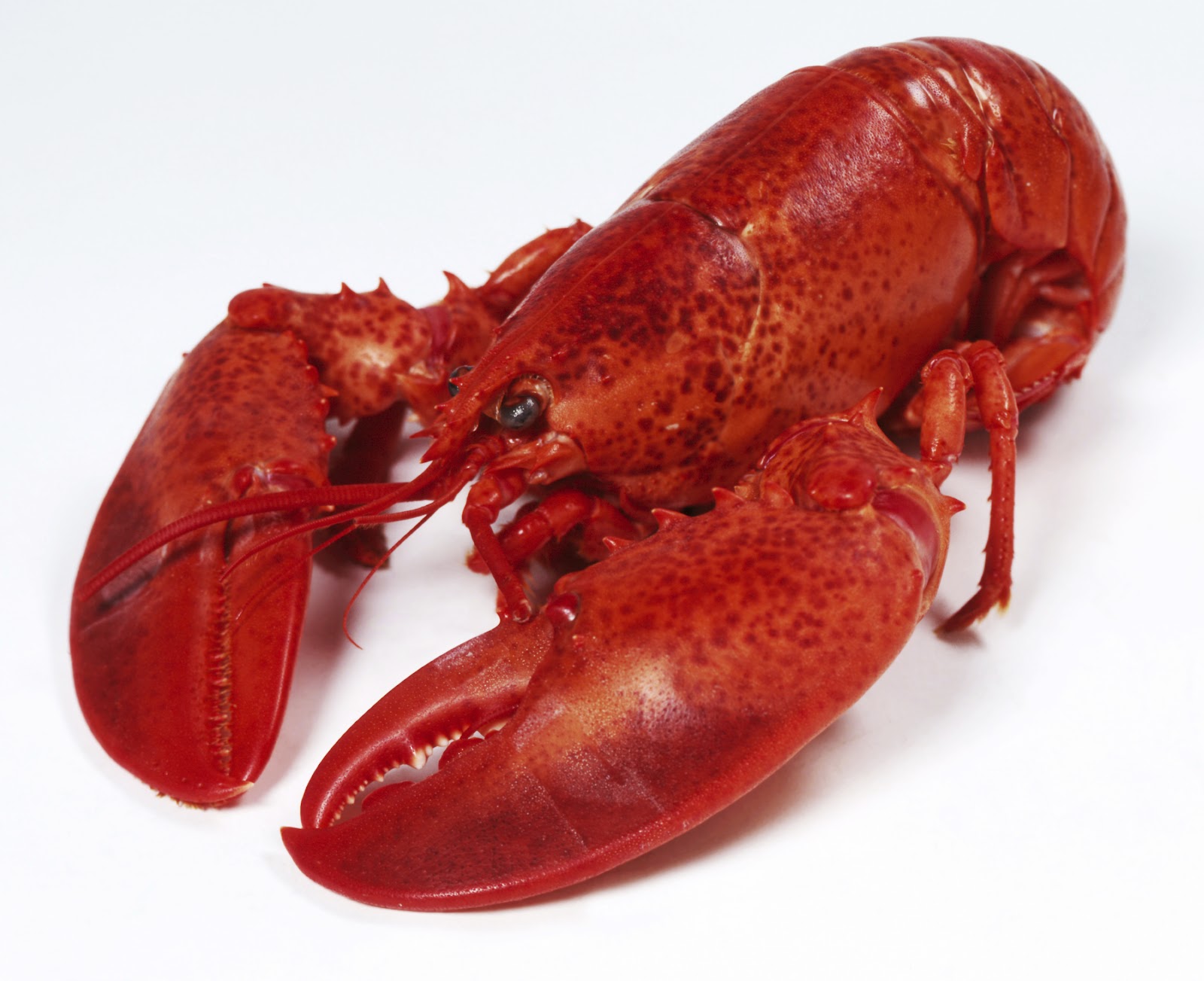
I love living on the Seacoast! My cottage is just a block from the beach and I get to hear the lobster boats go out in the early morning, just before the sun comes over the horizon. And did I mention lobsters? They are plentiful and inexpensive here.

Most of the lobsters we are familiar with are the cold water clawed marine crustaceans referred to as the “true” lobster, but there are tropical varieties as well which include the spiny lobsters and slipper lobsters (which have no claws), squat lobsters, and crayfish.

Lobsters are found in all oceans. They live on rocky, sandy, or muddy bottoms from the shoreline to beyond the edge of the continental shelf. They generally live singly in crevices or in burrows under rocks. They are omnivores and typically eat live prey such as fish, mollusks, other crustaceans, worms, and some plant life. They scavenge if necessary.

Lobsters are invertebrates with a hard exoskeleton, which means they have to molt as they grow. Lobsters, like snails and spiders, have blue blood due to the presence of hemocyanin which contains copper. In general, true lobsters are 10-20 inches long (although they can grow up to four feet long and weigh as much as 40 pounds), and move by slowly walking on the sea floor. However, when they flee, they swim backward quickly by curling and uncurling their abdomens. They live to be about 70 years old and are able to add new muscle cells at each molt. This longevity may be due to an enzyme that repairs long repetitive sections of DNA sequences at the ends of chromosomes, called telomeres.

Did you know that lobsters were once so plentiful that after a storm they would wash ashore in deep piles? They were gathered by hand until the mid-19th century when lobstermen started using baited, one-way traps with a color-coded marker buoy to mark cages. Cages are of plastic-coated galvanized steel or wood. A lobster fisherman may tend as many as 2,000 traps!

Once caught, lobsters are graded as soft shell (or shedders), hard-shell, or old-shell, soft shell lobsters have paper-thin shells and a poor meat-to-shell ratio, but the meat is very sweet. Hard-shell lobsters with firm shells, have more but with less sweet meat, so they command a higher price. Meanwhile, old-shell lobsters, which have not shed since the previous season have a coarser flavor. Culls are lobsters which have lost one of their claws.
spiny-lobster

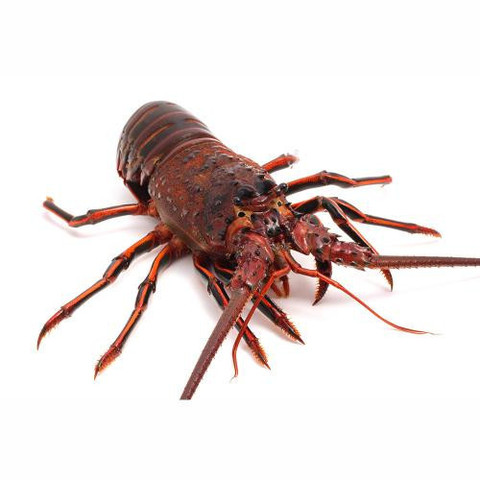
Spiny lobsters (langouste or rock lobsters) – Although they superficially resemble true lobsters in terms of overall shape and having a hard exoskeleton, they are distinguished from true lobsters by their lack of claws. They are found throughout all warm seas, especially in Australia, New Zealand, South Africa and the Bahamas.

squat lobster

Squat lobsters – These are flattened crustaceans which a long tail curled beneath their bodies. More than 900 species exist throughout the world’s oceans. They are plentiful off Baja, California, Mexico, South America and New Zealand. Flesh from these animals is often commercially sold in restaurants as “langostino” or sometimes dishonestly called “lobster” when incorporated in seafood dishes. As well as being used for human consumption, there is demand for squat lobster meat to use as feed in fish farms and shrimp or prawn farms. This is in part because they contain a pigment that helps to color the meat of farmed salmon and trout.

crayfish

Crayfish (crawfish, crawdads) – Crayfish are freshwater crustaceans resembling small lobsters. Some species are found in brooks and streams where there is running fresh water, while others thrive in swamps, ditches, and rice paddies. Generally only the tail portion is eaten, except at crayfish boils, where the entire body is served. Like all crustaceans, crayfish are not kosher because they are aquatic animals that do not have both fins and scales. Crayfish are also commonly sold and used as bait.

History

In Colonial times, lobster was fed to pigs and goats and only eaten by prisoners, indentured servants or paupers. In North America, the American lobster did not achieve popularity until the mid-19th century, when New Yorkers and Bostonians developed a taste for it. American lobster was initially deemed worthy only of being used as fertilizer or fish bait, and until well into the 20th century, it was not viewed as more than a low-priced canned staple food.

Preparation

Native Americans ate lobsters after wrapping them in seaweed and baking them over hot rocks. We usually boil or steam lobsters today. The most common way of killing lobsters is by placing them live in boiling water or to split the lobster or sever the body in half lengthwise. Lobsters may also be killed immediately before boiling by a stab into the brain, in the belief that this will stop suffering. The boiling method is illegal in some places, such as in the Reggio Emilia region of Italy, where offenders face fines up to €495. When a lobster is cooked, its shell’s color changes from blue to orange because the heat from cooking breaks down a protein which suppresses the orange hue of another chemical which is also present in the shell.

Resources

Encyclopedia of Life

www.lobsters.com

www.nationalgeographic.com

www.woodmans.com


Lemon Tart

lemon tart

This lemon tart is a perfect ending to a summer meal!

Ingredients:

Tart Crust

1 1/3 c. all purpose flour

5 T. sugar

1/2 t. salt

10 T. butter, melted

Filling

4 eggs, room temperature

1 1/2 c. sugar

Pinch of salt

4 T. buttermilk

2 T. cornmeal

½ c. (1 stick) butter, room temperature

4 lemons

Directions:

Tart Crust

Preheat oven to 350oF. Whisk flour, sugar, and salt together in a bowl. Add melted butter and stir with wooden spoon until dough forms. Using your hands, press dough into a 9-inch fluted tart pan with removable bottom. Place pan on lowest rack in oven and bake 30-35 minutes until golden brown, rotating pan half way through baking. Remove from oven and let cool.

Filling

Using a fine grater or microplane, remove the lemon zest (skin) from the lemons, being careful not to include the bitter white pith. Squeeze lemons to make ½ c. lemon juice and set aside. In medium bowl, cream butter, sugar and lemon zest. Add the eggs, one at a time. Then add salt, and lemon juice and mix until well blended. Transfer the mixture to a medium saucepan and cook over low heat, stirring constantly, until mixture is thickened, about 10 minutes. Remove from heat and fill the tart crust with the warm filling. Cool at room temperature and then refrigerate until ready to serve. Garnish with whipped cream if desired.


Week 49: Citrus Fruit

Variety of fruits

Citrus fruit and plants are known by the name agrumes, which means bitter fruit. Citrus fruit originated in Southeast Asia or Australia thousands of years ago. The three original species in the citrus genus that have been hybridized into most modern commercial citrus fruit are the mandarin orange, pummelo and citron. All common citrus fruits (sweet oranges, lemons, grapefruit, limes, and so on) were created by crossing those original species. Christopher Columbus, Ponce de Leon, and Juan de Grijavla carried various citrus fruits to the new world in the late 1400′s early 1500′s. Today Florida, California, Arizona and Texas are the major producers of citrus fruit in the United States.

Citrus fruit is grown on large shrubs or evergreen trees 15-40 feet tall which bear fragrant, white flowers. The trees thrive in a consistently sunny, humid environment with fertile soil and adequate rainfall or irrigation. The fruit has a peel (also called the zest), a bitter white pith and juicy segments with a discernibly tart flavor derived from a high level of citric acid. The fruit is ripened on the tree.

Medicinal Uses

Oranges were historically used for their high content of vitamin C, which prevents scurvy. An early sign of scurvy is fatigue. If ignored, later symptoms are bleeding and bruising easily. British sailors were given a ration of citrus fruits on long voyages to prevent the onset of scurvy, hence the British nickname of Limey.

The vitamin C in citrus fruit helps produce collagen, which provides structure and elasticity for your skin and tendons. As an antioxidant, it neutralizes free radicals before they damage healthy cells, which prevents inflammation that can lead to chronic illnesses such as cardiovascular disease.

After consumption, the peel is sometimes used as a facial cleanser.

Citrus fruit intake is associated with a reduced risk of stomach cancer. Also, citrus fruit juices, such as orange, lime and lemon, may be useful for lowering the risk of specific types of kidney stones. Grapefruit helps lower blood pressure because it interferes with the metabolism of calcium channel blockers.

Studies also show that citrus flavonoids may improve blood flow through coronary arteries, reduce the ability of arteries to form blood clots and prevent the oxidation of LDL (“bad”) cholesterol, which is an initial step in the formation of artery plaques1.

Culinary Uses

Citrus fruit can be eaten fresh, made into or added to beverages, marmalade, used in salads, as garnishes, or squeezed over vegetables, seafood or meats.

Types of Citrus Fruit

bergamot orange

Bergamot orange – This is a small acidic orange, used mostly for its peel. Used in Earl Grey tea.

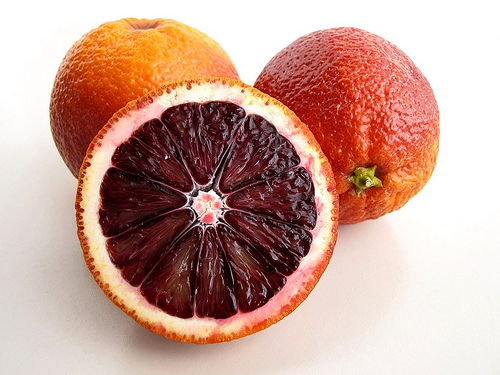
blood orange

Blood Orange – These are sweet, red fleshed oranges and are very popular in Europe.

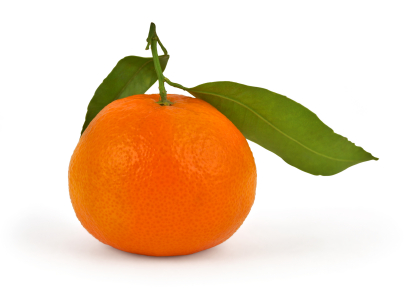
tangerine

Clementine, Tangerine or Satsuma – Thin skinned and sweet, these come out of their skins easily.

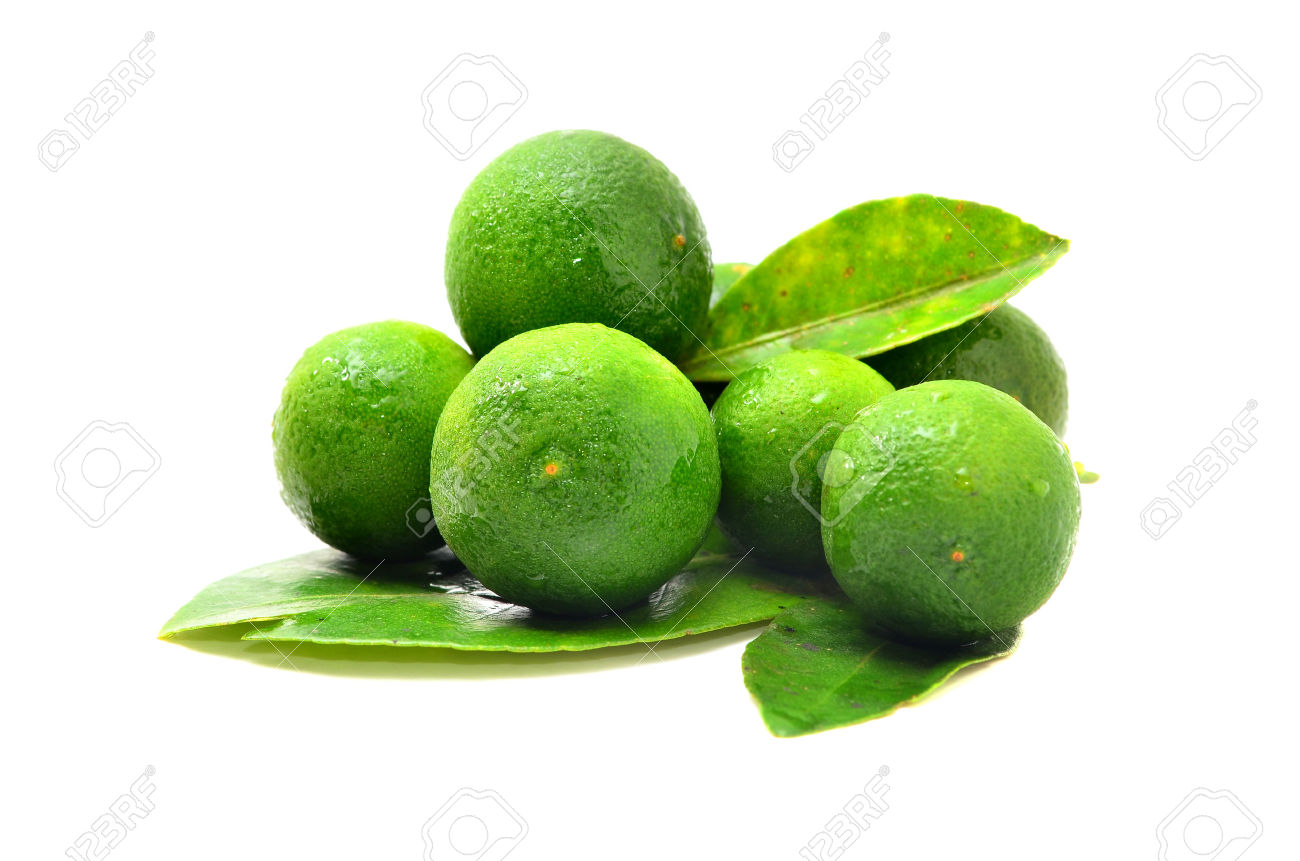
calamansi

Calamansi lime – The very sour calamansi looks like a small round lime and tastes like a cross between a lemon and a mandarin orange. It’s very popular in the Philippines.

citron2

Citron – This lemon-like fruit may be the progenitor species of modern lemons and limes. The peel is very thick, and the white, spongy portion of the peel is edible.

grapefruit

Grapefruit – Grapefruit is thought to be a hybrid of pummelo and sweet orange that occurred naturally somewhere in the Caribbean between the time of Columbus’ voyages and its introduction to Florida in 1809. They are a large, slightly tart with a rind that is mostly yellow, and often tinged with green or red. Grapefruits are categorized by the color of their pulp: red, pink, or white.

Kaffir-Limes

Kaffir Lime – Thai cooks use these golf ball-sized limes to give their dishes a unique aromatic flavor.  Kaffir limes have very little juice, and usually just the zest is used.

key limes

Key Lime – These are small, round, and seedy, these turn yellow when ripe.

Kumquat

Kumquat – These look like grape-sized oranges, and they can be eaten whole. The flavor is a bit sour and very intenseThey peak in the winter months.

Lemon

Lemon – This very sour citrus fruit is rarely eaten out of hand, but it’s widely used for its juice, rind, and zest. One lemon yields about 2-3 tablespoons lemon juice.    Lime – When buying limes, select specimens that are dark green, smaller, thin-skinned, and heavy for their size.

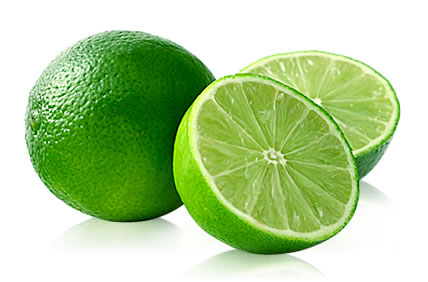
Limes1

Lime – Small and green, limes have uses other than adorning your cocktails. Lime extracts and lime essential oils are also used in perfumes, cleaning products, and aromatherapy.Orange

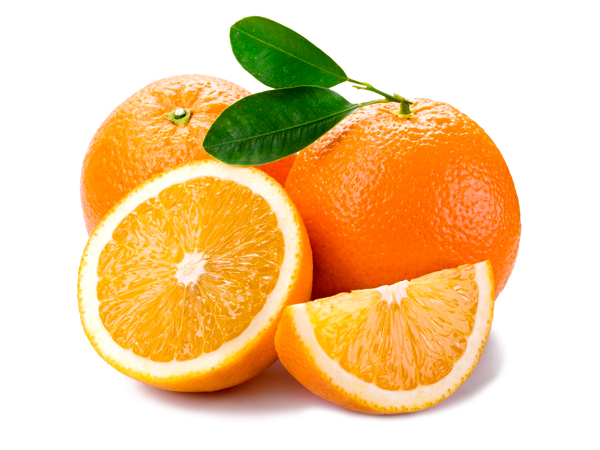
Orange – Florida oranges are juicier, and better suited to squeezing, while California oranges segment more easily and are better for eating out of hand.

pomelo

Pummelo or Pomelo – This species originates from southeast Asia where it is as common as grapefruit is in the USA. It is much larger and thicker-peeled than grapefruit, but said to have milder flavor.

Seville orange

Seville or Bitter Orange – These are too bitter for eating out of hand, but they make a wonderful orange marmalade and the sour juice is perfect for certain mixed drinks.

tangelo

Tangelo (Honeybell )- This is a hybrid between tangerine and grapefruit. Large, bell-shaped, they are available during the winter and are very sweet and juicy.

ugli fruit2

Ugli Fruit – This grapefruit-mandarin cross looks like a grapefruit in an ill-fitting suit. It’s sweet and juicy, though, and simple to eat since the peel comes off easily and the fruit pulls apart into tidy segments that are virtually seedless.


Resources

www.ask.com

www.foodsubs.com

www.fruit-crops.com

www.healthyeating.sfgate.com

www.thefruitpages.com

Week 48: Beans and Lentils

Beans2

Are you thinking of trying a vegetarian diet in an effort to eat healthier? If you’re concerned about getting enough protein, add more beans to your meals. Beans and lentils are referred to as “pulses,” and are the fruit or seed of plants called legumes. Pulses are used for human and animal consumption or for the production of oils for industrial uses.

Many legumes have symbiotic bacterial that have nitrogen fixing abilities. When these plants die in the field, they can be plowed back into the soil and can serve as fertilizer for other crops.

The United Nations General Assembly has declared 2016 as the International Year of Pulses to heighten public awareness of the nutritional benefits of pulses as part of sustainable food production aimed towards food security and nutrition.

History

Dried beans, peas and lentils have been cultivated for human consumption for ages. Archaeologists have discovered traces of bean cultivation in the Indus Valley that dates to 3300 BC. Meanwhile, evidence of lentil cultivation has also been found in Egyptian pyramids and dry pea seeds have been discovered in a Swiss village that are believed to date back to the Stone Age. Archaeological evidence suggests that these peas must have been grown in the eastern Mediterranean and Mesopotamia regions at least 5,000 years ago and in Britain as early as the 11th century.

Health Benefits

Beans are good sources of protein, excellent sources of fiber, and naturally fat-free, sodium-free, and cholesterol-free. Many types are also good sources of potassium. Beans have a low glycemic index.  This makes them an ideal food for the management of insulin resistance, or diabetes. Numerous scientific studies also show that eating beans helps lower blood pressure and reduce cholesterol. U.S. Dietary Guidelines recommend eating about 3 cups of legumes, including beans, per week.

Types of Beans

There are eleven basic categories of pulses:

  1. Dry beans, which include kidney beans, navy beans, pinto beans, lima beans, butter beans, adzuke and mung beans.
  2. Dry broad beans.
  3. Dry peas.
  4. Chickpeas or garbanzos.
  5. Dry cowpeas or black-eyed peas.
  6. Pigeon peas, Congo beans and gandules.
  7. Lentils
  8. Groundnuts and earth peas.
  9. Vetch.
  10. Lupins
  11. Miscellaneous minor pulses, like jack beans, yam beans and winged beans.

Preparation

Preparing dried beans takes a little more work than just opening a can, but the flavor and texture is superior to canned beans. First, spread them out on a table, kitchen towel or baking sheet and pick out any shriveled or broken beans, stones or debris. Rinse them well in cold, running water. When you soak them, you help remove some of those indigestible sugars that cause flatulence. So place the beans in a large bowl or pan, cover with water and soak overnight or for about 8 hours in the refrigerator. Rinse and them place them into a large pot and cover with 2 inches of water or stock. (Don’t add salt at this point since that slows the beans’ softening.) Slowly bring to a boil, skimming off any foam on the surface. Reduce heat, cover and simmer, stirring occasionally and adding more liquid if necessary, until beans are tender when mashed or pierced with a fork. Cooking times vary with the variety, age and size of beans; generally you’re looking at about 1 to 2 hours.

After sorting dried peas and lentils, bring 1½ cups water or stock to a boil for each cup of dried lentils or peas. Once the liquid is boiling add the lentils or peas, return to a boil, then reduce the heat and simmer, partially covered, until tender, 30 to 45 minutes.

Culinary Uses for Common Pulses

Adzuki Beans

These little dark red beans are sweet and easy to digest. Splash them with tamari and barley malt or mix them with brown rice, scallions, mushrooms and celery for dynamite, protein-rich rice patties

Black-Eyed Peas

These creamy white, oval-shaped beans are ubiquitous in southeastern US states where they’re a traditional New Year’s dish. Toss them with yogurt vinaigrette, tomatoes and fresh parsley.

Cannellini Beans

These are some of my favorites. Cannellini beans are packed with nutty flavor. Add them to tomato-based soups like minestrone or toss with olive oil and black pepper for a satisfying side dish.

Chickpeas/Garbanzo Beans

This prominent ingredient in Mediterranean, Middle Eastern, and East Indian dishes — think hummus and falafel — has a mild but hearty flavor. Garbanzos are a good foil for strong spices like curry powder, cumin and cayenne pepper, so add them to salads, soups and pasta dishes

Great Northern Beans or Navy Beans

Think of these guys as big teddy bears; they’re the largest commonly available white bean, but they’re all soft and mild on the inside. These are great as baked beans or add them to soups and stews with longer cooking times.

Green Lentils

Ooh la la! These lentils hold their shape well and have deep, rich flavor. They’re an excellent addition to salads, spicy Indian dal or simple lentils and rice.

Green Split Peas

Give peas a chance! Split peas shine in soups where they’re cooked until creamy to bring out their full, sweet flavor. Serve them with a dollop of minted yogurt for an Indian touch.

Kidney Beans

These large, red beans are popular in chili, salads, soups and baked beans. Make sure to cook them until completely tender and cooked through to eliminate the gastric distress-causing toxin that’s present in raw and undercooked kidney beans.

Lima Beans

Thankfully, succulent lima beans are shedding their bad reputation as the food to force-feed kids. Add them to minestrone and other soups or combine them with corn and green beans for succotash

Lupini Beans

At Italian fairs and Spanish beer halls these beans are a popular snack. Technically a member of the pea family, these flat, coin-shaped, dull yellow seeds are second only to soybeans in plant protein content. Use caution when cooking! Lupini beans need a special extensive soaking and brining preparation to ensure removal of potentially harmful bitter alkaloids that occur naturally in the beans.

Mung Beans

You probably know mung beans for their sprouts, but the beans themselves are revered as a healing food. Mung beans range in color from greenish-brown to yellow to black and have delicate, sweet flavor. They need no pre-soaking, cook quickly and are easy to digest; you can’t go wrong.

Pinto Beans

A favorite in Southwest and Mexican dishes — “pinto” means “painted” in Spanish — these earthy beans have a delicious, creamy texture ideal for refrying. Combine with onions, chili powder, garlic and tomatoes as a filling for enchiladas or sauté cooked beans with olive oil, garlic and tamari.

Red Beans

These small, dark red beans are subtly sweet and hold their shape when cooked. They make a great choice for soups and chili and as a companion to rice.

Red Lentils

Don’t be fooled by the name; this variety of lentil isn’t really red. In fact, their soft pink color turns golden when cooked. Note that red lentils cook quickly and don’t hold their shape so they’re best in soups or purées or cooked until creamy with Italian seasonings

Split Peas

While green peas are picked while immature and eaten fresh, dried peas are harvested when mature, stripped of their husks, split and dried. Split peas don’t require presoaking and their mild flavor and creamy texture make good companions to garlic, onions, dill, curry and ginger.

Let’s get cooking!

Resources

www.beaninstitute.com

www.wholefoodsmarket.com

Brie Soup

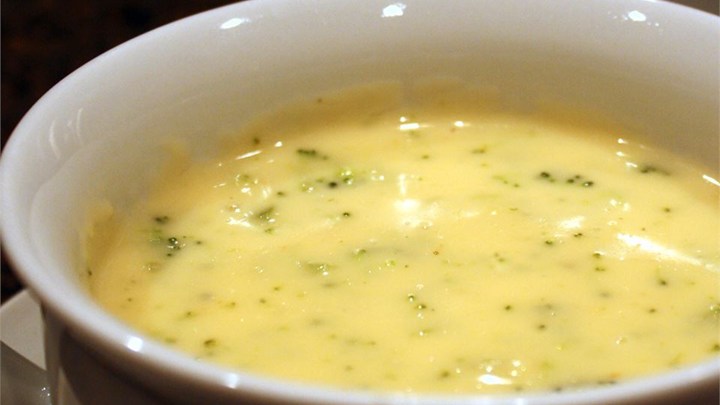
soup

Ingredients:

¾ C. chopped onion

½ c. chopped celery

4 T. butter

2 T. flour

2 c. half & half

2 cups chicken stock

8 oz. brie cheese, cut in pieces

1-4 oz cans of chopped green chilies

Salt and pepper to taste

Directions:

In a medium saucepan, sauté onion and celery in butter over medium heat until translucent. Stir in flour to form a roux or paste-like consistency. Slowly whisk in milk and chicken stock and continuing whisking until smooth and well-blended. Add brie and whisk until melted. Add chilies, salt and pepper. Cool slightly. If desired, puree in blender until smooth. Serve with crusty bread, a green salad and crisp, white wine. Serves 4.

Week 47: Say Cheese

cheese

When I grew up my exposure to cheese was limited to grilled cheese sandwiches and macaroni and cheese, made with Velveeta American processed cheese. The selection of cheeses in grocery stores was limited and gourmet delis were nonexistent. Gradually American palates have become more sophisticated and we have a global selection of fine cheeses now available to us. My travels have allowed me to sample Gruyere fondue in Switzerland, caprese made with fresh mozzarella di buffalo in Italy, and Stilton in the United Kingdom.

History

Cheese predates written history, but is believed to have been discovered accidentally by an Arabian merchant who put his supply of milk into a pouch made from a sheep’s stomach, as he set out on a day’s journey across the desert. The rennet in the lining of the pouch, combined with the heat of the sun, caused the milk to separate into curd and whey. That night he found that the whey satisfied his thirst, and the cheese (curd) had a delightful flavor which satisfied his hunger

Ancient Egyptians loved cheese so much that depictions of the cheese-making process were painted in tombs in 2500 BC. Homer’s Odyssey talks about how Cyclops stored his cheese. The Greeks and Romans used cheese as a delicious currency. The Romans love to dine on fresh cheese with figs, but they also used it in salads. Cheese, olives and raisins made up he meager rations of the Roman soldiers. Cheese is even mentioned in the Bible. Between the eleventh and fourteenth centuries, monasteries dominated cheesemaking replacing stone or clay containers that had been common until then with copper kettles.

Cheesemaking

Many cheeses today are still produced via traditional methods and recipes, although processing has become easier with the advent of mechanization.

Cheese can be made from the milk of any mammal. The makeup of milk varies with the animal, and the variations are what make sheep cheese and goat cheese different from cow’s milk cheese. On the average, cow’s milk consists of 87% water, 3 ½% protein, 3 ¾% fat, and almost 5% lactose (milk sugar) by weight, along with water-soluble vitamins, such as A, B complex, and D. It is the protein and the lactose that are most important in cheesemaking.

Sheep’s milk contains almost double the fat content of cow’s milk and has a higher lactose content which gives it a slightly more acidic flavor. Examples of cheeses made from sheep’s milk are Italian Pecorino and Greek Feta.

Goat’s milk cheeses are known as chevre. The characteristic aroma derives from specific fatty acids which are formed soon after milking, although modern processing methods have helped to minimize the strong smell. Goat’s milk produces very small curds which is the reason why it is produced and sold in small packages.

To make cheese from milk, two things must occur: the lactose must convert into lactic acid, which is lower in acidity, and an enzyme must be added to trigger the clumping together of the casein molecules which causes curds to form. When that happens, the whey is drawn off and the process begins. The curds are cut, are slightly reheated for some varieties of cheese and salt is added to help draw off moisture. The hard cheeses are pressed, molded and air-dried. The final stage is aging or allowing the cheese to ripen.

It is through ripening that a cheese develops its varietal character. Cheeses ripen according to their shape, size, age and type. The temperature and humidity also affects the type of cheese made.

The best, most flavorful cheeses come from fresh, raw milk, but the USDA forbids the importation of raw-milk cheeses aged less than 60 days. Currently, more than one-third of all milk produced each year in the U.S. is used to manufacture cheese.

Would you like to try to make your own cheese at home? You can order supplies to get you started from the New England Cheesemaking Supply Co. (www.cheesemaking.com ) or for a more extensive program, get your cheesemaking certification from the University of Vermont’s Institute for Artisan Cheese.

Classifications

Fresh Cheeses – essentially uncooked and unripened curds ready to eat directly after being made, like ricotta, cream cheese, farmers cheese, cottage cheese, Italian Mascarpone and French fromage blanc.

Soft cheeses – soft spreadable consistency, surface ripened (sprayed or exposed to molds so that they ripen from the rind inward), like French Brie and Camembert.

Semi-soft cheeses – Slightly less water content than soft cheeses. Examples include French Reblochon, Italian Taleggio, el Paese, German Butterkase and semi-soft cheeses with mold on the inside such as Roquefort, Gorgonzola, Stilton and a variety of blues.

Semi-hard cheeses – These cheeses have an elastic, firm texture and are easy to cut and usually have a wax, paraffin or plastic coating. What semi-hard cheeses have in common is the slight heating of the curd during the production process. Examples include Dutch Gouda, French Gruyere, German Tilsit, Swiss Appenzeller and Emmental.

Hard cheeses – made from curd that has not been heated or cooked to solidify it, but are pressed to complete the drainage of whey. They ripen evenly throughout and have a long shelf life. Examples include English Cheddar, Spanish Manchego and Italian Parmiggiano Reggiano, Pecorino Romano, Provolone, and French Morbier.

Processed cheese – a by-product made of natural cheese, vegetable-based guys, dyes, emulsifiers and stabilizers.

Resources

Carroll, Ricki. Home Cheese Making.

Hastings, Chester. The Cheesemonger’s Kitchen: Celebrating Cheese in 90 Recipes.

International Dairy Foods Association (www.idfa.org )

Jenkins, Steven. Cheese Primer.

Roberts, Jeffrey. The Atlas of American Artisan Cheese.

Smith, Tim. Making Artisan Cheese.

Shrimp Tacos

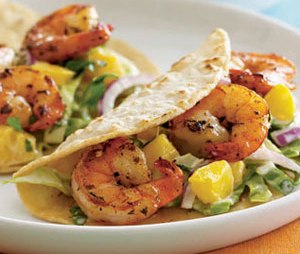
shrimp tacos

Ingredients:

¼ c. olive oil

1 clove garlic, minced

2 T. red onion, diced

1 jalapeno pepper, seeded and diced

1 lb. shrimp, peeled and deveined

¼ c. cilantro, diced

1 ripe mango, peeled, seeded and cut in small cubes

¼ head of cabbage, shredded

8 flour tortillas

Directions:

Wrap tortillas in aluminum foil and place in oven preheated to 300 degrees F. In a large skillet, add oil and heat until it just begins to simmer (do not overheat!) Sauté garlic until tender and translucent, about 1-2 minutes. Add shrimp and toss with wooden spoon until opaque. Remove from heat and toss with cilantro, onions and jalapeno peppers.. To assemble, place cabbage on each tortilla, top with a large tablespoon of shrimp, add mango cubes and serve. Optional garnishes: guacamole, sour cream or plain, non-fat Greek yogurt, Sriracha.  Serves 4.

Week 46: Cilantro and Coriander

coriander plant

Coriander is considered both an herb and a spice since both its leaves and its seeds are used as a seasoning condiment. The Coriander plant is grown as annual which requires well-draining, fertile soil supplemented with warm summer climates to flourish. For leaf coriander, the plant is allowed to reach only about 9 to 15 inches in height. If left to grow further, it may reach about 5-7 feet tall, bears small white or light pink flowers by midsummer, followed by round-oval, numerous, aromatic coriander seeds. Flowering coriander is often planted in a flower or vegetable garden as it repels aphids.

History

The use of coriander can be traced back to 5,000 BC, making it one of the world’s oldest spices. It is native to the Mediterranean and Middle Eastern regions and has been known in Asian countries for thousands of years. Coriander was cultivated in ancient Egypt and was mentioned in the Old Testament. Ancient Grecians used cilantro essential oil as a component of perfume and the Romans used it to preserve meats and flavor breads. Early physicians, including Hippocrates, used coriander for its medicinal properties, such as an aromatic stimulant.

Culinary Uses

cilantro

Fresh coriander leaves are used as an herb, and are known as cilantro, or Chinese parsley, and bear a strong resemblance to Italian flat leaf parsley. The leaves are broadly lobed at the base of the plant, and slender and feathery higher on the flowering stems with a citrusy flavor, which is stronger in the stems, so they should be chopped and added to recipes as well. Heat diminishes the flavor, so coriander leaves and stems should be used raw or added to the dish immediately before serving. The fresh leaves are an ingredient in many savory dishes in South Asian foods, Chinese and Thai dishes, Mexican cooking, and in salads in Russia. Chopped coriander leaves are a garnish on Indian dishes such as dal. The Portuguese are the only Europeans who continue to use cilantro as much as they did in the 16th century – combining it with chilies and huacatay (black mint) to produce a distinctive table sauce, and pared with potatoes and fava beans.

I016_Coriander_Seed

The fruit of the coriander plant contains two seeds which, when dried, are the parts that are used as the dried spice. When ripe, the seeds are yellowish-brown in color with longitudinal ridges. They have a fragrant flavor that is reminiscent of both citrus peel and sage. Coriander seeds are available in whole or ground powder form. Roasting or heating the seeds in a dry pan heightens the flavor, aroma and pungency. Coriander is commonly used in Middle Eastern, Mediterranean, Indian, South Asian, Mexican, Latin American, Chinese, African and Southeast Asian cuisine. In Germany and South Africa, the seeds are used while making sausages. In Russia and Central Europe, coriander seed is an occasional ingredient in rye bread. The Zunis of North America have adapted it into their cuisine, mixing the powdered seeds ground with chilies and using it as a condiment with meat, and eating leaves as a salad. Coriander seeds are also used with orange peel to add a citrus character in brewing certain styles of beer, particularly some Belgian wheat beers.

Medicinal Uses and Health Benefits

The herb parts (leaves, root, and stem) of the cilantro (coriander) plant have been found to have many antioxidants and essential oils that have been used as analgesics, aphrodisiacs, antispasmodic medicines, deodorants, and digestive aids. Recent research (although done on rats and mice) has shown coriander to control blood sugar and to lower LDL cholesterol levels.

Coriander seeds and fresh Cilantro leaves and stems differ in nutritional value. Cilantro leaves are particularly rich in vitamin A, vitamin C and vitamin K. Coriander seeds generally have lower content of vitamins, but they do provide significant amounts of dietary fiber, calcium, selenium, iron, magnesium and manganese.

Resources

www.food.com

www.globalhealingcenter.com

Norman, Jill. Herbs and Spices: The Cook’s Reference.

www.nutrition-and-you.com

www.whfoods.com

Steak au Poivre

steak

Ingredients:

2 T. peppercorns, coarsely crushed

4 New York strip steaks

2 T. butter

2 T. olive oil

2 T. brandy

¼ c. beef stock

½ t. Dijon mustard

¼ t. Worcestershire sauce

Salt

Directions:

Sprinkle both sides of steak with crushed peppercorns. Press into steaks using fingers. Add the butter and olive oil to a skillet and brown the steaks on both sides. Steaks will be rare. Cook longer if you want them more done. Transfer to hot serving platter. To the juices in skillet, add remaining ingredients and simmer until thick. Serve over the steaks. Serves 4.


Week 45: What’s the Beef?

beef

There is a greater focus these days on reducing meat intake. But beef remains one of the best sources of protein in our diet. Focusing on lean meat, choosing the right cuts of beef, and buying the best quality available insure that you can enjoy a sizzling steak on the grill or a tender slow-roasted pot roast on occasion. Here’s what you need to know.

Beef is the meat of domesticated cattle, generally castrated as calves and specifically raised for meat. It is the third most widely consumed meat in the world, accounting for about 25% of meat production worldwide, after pork and poultry at 38% and 30% respectively.

Although cattle have been domesticated for several thousand years, it is unknown exactly when people started raising cattle for their meat. Cattle were widely used as draft animals (oxen) and for milk, and were specifically bred to increase meat yield with the mechanization of farming, or to improve the texture of meat, giving rise to the Murray Grey, Angus, and Wagyū. Cattle have only been in North America since Columbus introduced them in 1493 on his second expedition to the West Indies. The Spanish brought cattle to Florida and Texas in succeeding decades. Texas Longhorns descended from the original Spanish cattle and were raised in the mid-1800s on the open range to meet America’s demand for beef. The Homestead Act of 1862 threatened the open range and cattle ranching began to decline. Today beef cattle are raised and fed using a variety of methods, including feedlots, free range, ranching, and intensive animal farming. In 2014, he largest exporters of beef were Argentina, Brazil and the United States.

How Beef is Graded

The USDA designates eight beef quality grades. The grades are based on two main criteria: the degree of marbling (intramuscular fat) in the beef, and the maturity (estimated age of the animal at slaughter).

Most beef offered for sale in supermarkets in the United States is graded U.S. Choice or Select. U.S. Prime beef is sold to hotels and upscale restaurants, and usually marketed as such.

  • U.S. Prime – Highest in quality and intramuscular fat, limited supply. Currently, about 2.9% of carcasses grade as Prime.
  • U.S. Choice – High quality, widely available in foodservice industry and retail markets. Choice carcasses are 53.7% of the fed cattle total. The difference between Choice and Prime is largely due to the fat content in the beef. Prime typically has a higher fat content (more and well distributed intramuscular “marbling”) than Choice.
  • U.S. Select (formerly Good) – lowest grade commonly sold at retail, acceptable quality, but is less juicy and tender due to leanness.
  • U.S. Standard – Lower quality, yet economical, lacking marbling.
  • U.S. Commercial – Low quality, lacking tenderness, produced from older animals.
  • U.S. Utility
  • U.S. Cutter
  • U.S. Canner

Utility, Cutter, and Canner grade are rarely used in foodservice operations and primarily used by processors and canners.

Types of Beef Cuts

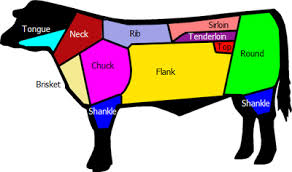
After a steer is slaughtered, it is cut into four quarters and then further cut into primal cuts (chuck, brisket, shank, rib, short plate, shaft, loin, sirloin, flank and round), subprimal cuts or is designated for “fabrication.” The cuts of beef that come from well-used muscles tend to have a larger portion of connective tissue and can be tougher than those cuts from areas where the muscles are less used.

Specialty Beef

Certified Angus Beef is a brand created in 1978 to distinguish the highest-quality beef produced from descendants of the black, hornless Angus cattle of Scotland. The meat must meet American Angus Association standards for yield, marbling and age, and be graded as high choice or prime.

Kobe beef is traditionally produced in Kobe, Japan. Wagyu cattle are fed a special diet, which includes beer to stimulate the animal’s appetite during the summer months. The cattle are massages with sake to relieve stress and muscle stiffness in the belief that calm contented cattle produce better-quality meat. The cattle are raised without hormones and the meat is dry-aged for 21 days prior to sale. This special treatment does result in meat that is extraordinarily tender and full-flavored. It is also extremely expensive and can cost as much as $200 per pound. Only about 3,900 head of cattle each year meet the strict standards to be labeled as Kobe beef, and only about 10% of this is exported from Japan. Much of the Kobe beef on restaurant menus is domestic Waygu and does not come from pure Japanese bloodlines.

Halal beef has been certified to have been processed in a prescribed manner in accordance with Muslin dietary laws.

Kosher beef has been certified to have been processed in a prescribed manner in accordance with Jewish dietary laws.

Organic beef is produced without added hormones, antibiotics, pesticides, or other chemicals, though requirements for labeling it organic vary widely.

Preparation

Raw beef:

Steak tartare is a French dish made from finely chopped or ground (minced) raw meat (often beef). More accurately, it is scraped so as not to let even the slightest of the sinew fat get into the scraped meat. It is often served with onions, capers, seasonings such as fresh ground pepper and Worcestershire sauce, and sometimes raw egg yolk.

Carpaccio of beef is a thin slice of raw beef dressed with olive oil, lemon juice and seasoning. Often, the beef is partially frozen before slicing to allow very thin slices to be cut.

Preserved Beef:

Bresaola is an air-dried, salted beef that has been aged about two to three months until it becomes hard and a dark red, almost purple, color. It is lean, has a sweet, musty smell and is tender. It originated in Northern Italy. Bundnerfleisch is a similar product from Switzerland.

Chipped beef is an American industrially produced air-dried beef product, described by one of its manufacturers as being “similar to bresaola, but not as tasty.”

Beef Jerky is dried, salted, smoked beef popular in the United States.

Biltong is a cured, salted, air dried beef popular in South Africa.

Pastrami is often made from beef; raw beef is salted, then partly dried and seasoned with various herbs and spices, and smoked.

Corned beef is a cut of beef cured or pickled in a seasoned brine. The corn in corned beef refers to the grains of coarse salts (known as corns) used to cure it. The term corned beef can denote different styles of brine-cured beef, depending on the region.

Cooked beef:

There are various ways to cook beef. Generally the tougher cuts are braised or stewed. Steaks can be grilled.

When you place a steak on the grill at temperatures of 300 degrees or more, you produce a crust with rich, caramelized flavors that form from the meat’s natural sugars and amino acids. This process is called the Maillard reaction, named for the French physician who, almost a century ago, was the first to investigate similar reactions between proteins and sugars in the human body. At the same time, you don’t want the steak’s interior to go much above 135 degrees (medium rare) because that’s the temperature at which it stays juicy. If you cook the steak more than that, the strands of protein in the muscle fibers contract so much that they squeeze out the juices.

Customs and Traditions

Most Hindus consider killing cattle and eating beef a sin. Bovines have been highly revered as sacred to mankind in Indian culture due to the critical role of cattle, especially cows, as a source of milk, and dairy products. The slaughter of cattle has been likened to matricide in these cultures, due to the fact that the cow provides milk and sustenance for society. Cow’s milk is again used as curd, butter, cheese, milk sweets and a wide range of other items.

Health

Three ounces of lean beef contains 154 calories and 25g of protein which provide all the amino acids the body needs for optimal health to maintain weight and to build and preserve muscle. 

Health Concerns

In 1984, the use of meat and bone meal in cattle feed resulted in the world’s first outbreak of mad cow disease in the United Kingdom.  In 2010, the EU, through the European Food Safety Authority (EFSA), proposed lifting the restrictions on feeding mammal-based products to cattle. allowing for certain milk, fish, eggs, and plant-fed farm animal products to be used.

Resources

www.beef.org

www.forbes.com

Labensky, Sarah and Hause, Allan: On Cooking: A Textbook of Culinary Fundamentals.