Category Archives: Food

A Trip to Hawaii

Kayak Kaneohe Bay (3)

My last post in the “52 Weeks of Food” series was a little delayed because I have been in Hawaii visiting our son, Eric, and his wife Donna. I had a wonderful time hiking in the jungle past waterfalls, kayaking, snorkeling, browsing through the Asian Market, touring an historic mansion near Diamond Head, sampling products at the Kailua Farmer’s Market and indulging in some amazing cuisine at the local restaurants.

One night we ate at a Moroccan restaurant, Casablanca, in Kailua. It was like stepping into an “Arabian Nights” fantasy! I sat on a low bench in the Oriental carpet draped room lit by hanging lanterns and Eric and Donna sat on chubby leather ottomans. The meal began when our server poured warm water over our hands over a silver catch basin and handed us terrycloth towels.

Hand washing

Hand washing

The towels also served as our napkins. Our first course was Harira Soup, made with tomatoes, lentils and/or chickpeas, saffron, parsley and coriander. Next followed a Moroccan Salad plate of creamy hummus dip, light tabbouli salad, rich eggplant, bright roasted bell peppers, tart tomatoes and flavorful carrots served with wedges of fresh-baked flat bread. My favorite course was the B’stilla, a savory pastry, flaky outside, dusted powdered sugar and cinnamon, with a moist, hot interior of finely shredded chicken, chopped almonds and eggs. I had lamb with honey and almonds as my main course and we were pretty full by the time dessert arrived – a deep-fried honey dipped funnel cake and hot cinnamon tea.

The highlight of the trip was a birthday celebration at Alan Wong’s restaurant in Honolulu where Eric had arranged for us to sit at the “Chef’s Table,” which was actually a special location (for one dining party only) in full view of the kitchen where we could observe the culinary artistry and ask questions of the chefs.

At the Chef's Table

At the Chef’s Table

One of the more interesting appetizers, “Poki-Pines” consisted of Crispy Won Ton Wrapped Ahi Tuna Poke Balls (pronounced poh-kay), Avocado, and Wasabi Sauce. What made them resemble porcupines was the clever way they were deep friend which made strips of won ton wrappers stand up in the air like quills. We also watched them serve the evening’s “Soup and Sandwich” appetizer, which initially had sounded awfully filling. In reality, the chilled tomato soup was served in a martini glass with a piece of lavash (thin flat bread) balanced on the rim of the glass topped with a small grilled cheese and Kahlua pork sandwich. The chilled tomato soup and chilled cream were squeezed simultaneously side-by-side in the martini glass – the separation of the white and red in the glass was beautiful and was swirled at the top to create a yin-yang design!

What did I order? Ginger Crusted Onaga (Red Snapper) with Miso Sesame Vinaigrette, Organic Hamakua Mushroom & Corn, which was moist and flavorful.

Ginger Crusted Onaga

Ginger Crusted Onaga

And for dessert I couldn’t resist “The Coconut”
which was Haupia (coconut) Sorbet in a Chocolate Shell served with tropical fruit and Lilikoi (passion fruit) sauce.

The Coconut

The Coconut

Following our meal, I was presented with an autographed copy of the menu!
Week 6: Honey

honey

Honey is the rich, golden liquid that is produced by bees who collect nectar from flowers and mix it with their saliva.  Enzymes in the saliva transform the nectar into honey which is stored in cells in a beehive which typically contains one queen bee and approximately 60,000 drones/workers.  Honey bees will travel up to 3 miles from the hive to collect nectar, and it takes nectar from over 2 million flowers to produce one pound of honey.

Honey is used as a food source for bees during the winter months when they are unable to collect nectar and excess honey is collected by beekeepers for human consumption.

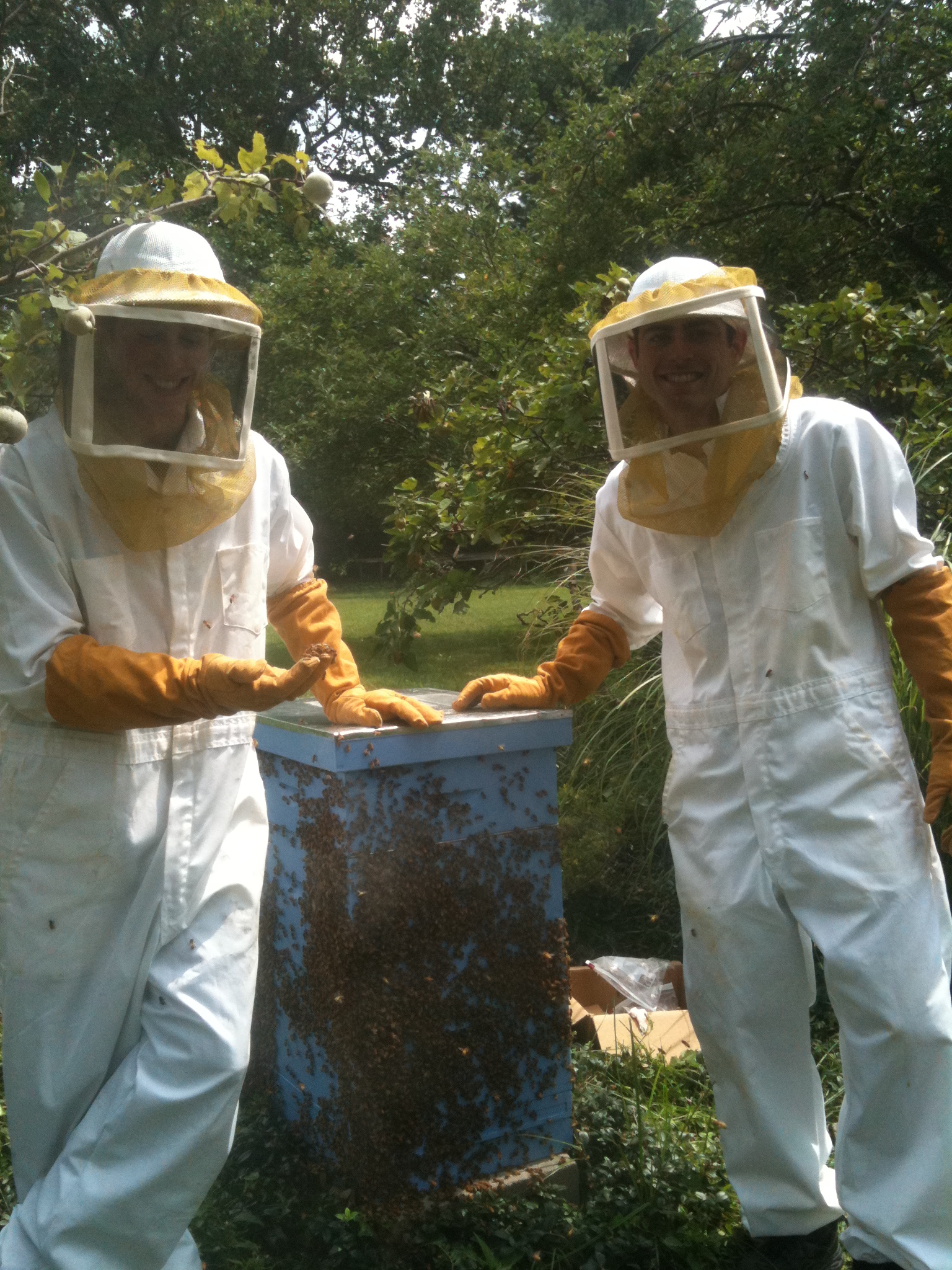
A few years ago, my husband and I decided to try beekeeping and set up our first hive. It was an amazing learning experience and produced the sweetest, purest honey we have ever eaten.

005


There are over 300 different types of honey in the U.S. It comes in a range of colors including white, amber, red, brown, and Buckwheat honey is almost black. The flavor and texture vary with the type of flower nectar from which it was made. While the most commonly available honeys are made from clover, alfalfa, heather and acacia flowers, honey can be made from almost any flowering plant including thyme and lavender.

Honey is graded based upon a number of factors, including water content, fragrance, flavor, aroma, absence of defects and clarity. It is graded A, B, C, or substandard depending on bubbles, clarity and contamination by pollen grains.

History

There is evidence that people were gathering honey at least 8,000 years ago, as shown in cave drawings in Valencia, Spain.  Archaeologists have found honey remains on the inner surface of clay vessels recovered from an ancient tomb in Georgia, dating back to some 4,700–5,500 years ago. Apiculture, or beekeeping, for the purpose of harvesting honey dates back to 700 BC.

Honey has had many uses over the years from sweetening food and beverages as well as making alcoholic beverages (mead), making cement, and as a medicine. Honey was used for embalming the dead in Ancient Egyptian and in the Middle East. In the 11th century A.D., German peasants even paid their feudal lords in honey and beeswax.  Beeswax is also used today in furniture polishes and varnishes.

Religion

There are references to honey in a number of religions. Honey symbolizes the new year, Rosh Hashanah.  In the Bible, in Matthew 3:4, John the Baptist lived for a long period of time in the wilderness on a diet consisting of locusts and wild honey. In Hinduism, honey, or madhu, is one of the five elixirs of immortality. The Buddhist festival of Madhu Purnima, which is celebrated in India and Bangladesh, honey is given to monks to commemorate Buddha’s retreat into the wilderness where reputedly a was fed honey by a monkey. And, in The Qur’an, honey is promoted as nutritious and healthy. Apparently, the Prophet Muhammad recommended it for its healing properties.

Health Benefits

Honey is the only food product that never spoils, as its high sugar content and acidic pH help to inhibit the growth of microorganisms. Honey reportedly boosts immunity and helps heal wounds as well.  It also contains antioxidants and flavonoids that may function as antibacterial agents. Honey has been used topically as an antiseptic therapeutic agent for the treatment of ulcers, burns and wounds for centuries.  Raw honey contains an enzyme called glucose oxidase that, when combined with water, produces hydrogen peroxide, a mild antiseptic. Darker honeys, specifically honey from buckwheat flowers, sage and tupelo, contain a greater amount of antioxidants than other honeys, and raw, unprocessed honey contains the widest variety of health-supportive substances.

Phytonutrients are found both in honey and propolis (also referred to as “bee glue” and used by honeybees to seal the hive to keep it save from bacteria.  The bees make propolis by combining plant resins with their own secretions.)  These phytonutrients have been shown to possess cancer-preventing and anti-tumor properties. Researchers have discovered that these substances prevent colon cancer in animals. These phytonutrients include caffeic acid methyl caffeate, phenylethyl caffeate, and phenylethyl dimethylcaffeate.

NOTE: Do not feed honey-containing products or use honey as a flavoring for infants under one year of age; honey may contain Clostridium botulinum spores and toxins that can cause infant botulism, a life-threatening paralytic disease.

Culinary Uses

Honey is used as a sweetener in beverages and for cooking and baking. It makes a good replacement for sugar in most recipes, but since honey is sweeter than sugar, you need to use less, one-half to three-quarters of a cup for each cup of sugar. For each cup of sugar replaced, you should also reduce the amount of liquid in the recipe by one-quarter of a cup. In addition, reduce the cooking temperature by 25°F since honey causes foods to brown more easily.

Honey is also used to make mead, which is a fermented beverage made from honey and water and sometimes fruit or spices.  Mead contains between 8%-18% alcohol and is the earliest known fermented beverage.

Resources

About.com. Food History

National Honey Board. http://www.honey.com

Wikipedia. en.wikipedia.org/wiki/Honey

http://www.whfoods.com

Week 5: Truffles

120px-Truffe02

The word truffle originated from the Latin term tuber, meaning “swelling” or “lump.” Truffles are subterranean fungi that grow in association with the roots of trees. They are round and warty and range in size from a couple of inches across to ones the size of a baseball.  The ones with which we are most familiar are the French black truffle (Tuber melanosporum) from the Périgord region of southwest France which has a blue-black exterior when fresh, fading to brown-black with age and a pungent, earthy odor, or the renowned odorous white truffle (Tuber magnatum) of Alba, in the Piedmont district of Italy which is solid, light-colored, and very brittle. They are also found in Sweden, New Zealand, Australian, Chile, Africa and in the Middle East, and have been recently been introduced in Oregon.

History

The first mention of truffles appears in the 20th century BCE in neo-Sumerian inscriptions and in the fourth century BC in writings of the Greek Theophrastus, a student of Plato and Aristotle. In classical times, their origins were a mystery and were thought to be the result of lightening, warmth and water in the soil. They were mentioned by the papal historian Bartolomeo Platina in 1481 and were served at the table of King Francis I of France during the Renaissance.

Harvesting

Truffles are harvested in Europe with the help of a female pig or truffle dog during September through May. The animals are used because they can detect the strong musky aroma of a mature truffle underground. Collecting truffles requires training and experience. A small hand rake or cultivator is used to gently uncover the soil near the base of suspected host plants.

The quantity of truffles harvested in Europe has consistently decreased each year. The New York Times reported that the decrease in production could be due to global warming. To ensure future production, appropriate tree seedlings (mostly oaks and hazelnuts in France and oak, hazel, poplar, and beech trees in Italy) have been inoculated with truffle spores, and when the sapling tree is established, it is transplanted to the proper environment, usually a barren, rock-strewn area. It takes about seven years before the first truffle begins to grow. A bearing tree will produce for about fifteen to thirty years. The Oregon truffles are being cultivated in association with the Douglas Fir.

The black Perigord truffle can bring as much as $1,200 per pound. However, the highest price ever paid was $330,000 for one weighing 3.3 lbs. by a Macau casino owner in 2007.

Culinary and Medicinal Uses

Truffles have been used as culinary delicacies, aphrodisiacs and medicines.

As their flavor is heat-sensitive. truffles are eaten raw and unpeeled. Carefully wash with water and gently brush to remove any traces of soil. Dry with a paper towel.  They can be sliced or grated and added to cooked foods just before serving. The pungent aroma of a truffle permeates any food stored with it in a closed glass container.  Thus, a small amount can be added to oils and then used in various recipes. However, read the label if you purchase truffle oil as some sold today do not contain any truffles and are just olive oil infused with a chemical substitute.

IMG_0838

Resources

“$1,200 a Pound, Truffles Suffer in the Heat.” The New York Times. 12/21/2012

Freedman, Louise. Wild About Mushrooms: The Cookbook of the Mycological Association of San Francisco.

North American Truffling Society. www.natruffling.org

Wikimedia images.

Wikipedia. en.wikipedia.org


Week 4: Saffron

images

Saffron, the world’s most expensive spice, comes from the red stigmas of  an autumn-flowering crocus, Crocus sativus, which ranges in color from a light lilac to a deep violet.  Each flower produces only 3 stigmas and they must be picked by hand. It takes 250,000 stigmas or “threads” to make a pound,  which accounts for why the spice is so expensive by weight.

History

Historically, picking saffron threads was first depicted in Bronze age drawings.  The first written mention of it was in a Greek botanical paper in the 7th century BC, and saffron was mentioned in ancient Chinese texts in 200-300 BC. The stigmas are used for flavoring, dying textiles, perfumes, medicines, and body washes. Alexander the Great used saffron in his baths to cure battle wounds. The first reference to using saffron in cooking was in Persia (Iran). Today Iran and Spain produce approximately 90 percent of the world’s saffron, although Greece, India and Morocco also contribute to production.

Cultivation

Saffron grows best in semi-arid land and climates which offer generous spring rains and hot summers. In the spring, the corms or bulbs are planted 3-6 inches deep in fields where they receive full sunlight. In October, the corm sprouts and the flowers bloom at dawn.  During the day they begin to wilt, and harvesting is very intense as the period when the stigmas can be picked only lasts about two weeks. The stigmas are then dried and graded.

Saffron is graded according to color, taste and flavor according to the International Organization for Standardization. However, many growers, traders and consumers prefer to sample saffron threads for taste, aroma, pliability, and other traits in a manner similar to that used by wine connoisseurs.  The best qualify of saffron is deep red and is called “coupe” for Spanish and Kashmiri saffron, “sargol” for Iranian.  The next grade “Mancha” if Spanish or Kashmiri, or “poshal” or “kayam” if Iranian, has a proportion of thicker, yellow threads mixed in.  Lesser grades have a brownish color and stubby, untidy threads. Occasionally the quality of saffron is adulterated by mixing in extraneous substances like beets, pomegranate fibers, red-dyed silk fibers, or the saffron crocus’s tasteless and odorless yellow stamens. Powdered saffron can be diluted with turmeric or paprika and be sold to unsuspecting buyers at market stalls.

Saffron threads break down chemically when exposed to light and oxygen and therefore must be stored in air-tight containers. To capture the maximum flavor, the threads should be steeped in liquid before use.

Medicinal Uses

Saffron is as important ingredient of large number of Ayurvedic medicines. It is used for acne, apoplexy, arthritis, asthma, colic, cough dyspepsia, insect bites and stings, mental disorders, painful menstruation, and sore throat. It is reported to reduce inflammation and is considered helpful for enlargement of liver and infection of urinary bladder and kidneys. If soaked overnight in water and administered with honey it acts as diuretic. Pounded with ghee it is used in diabetes. Saffron oil is used for external application in uterine sores.

In regulated doses, it is said to increase appetite and to ease headaches and hangovers. Administered in high doses it makes patient unconscious.

Due to presence of crocetin it indirectly helps to reduce cholesterol level in the blood and severity of atherosclerosis, thus reducing the chances of heart attacks. It may be one of the prime reasons that in Spain, where Saffron is consumed liberally, incidence of cardio-vascular diseases is quite low.


Culinary Uses

Saffron  is rich in many vital vitamins, including vitamin A, folic acid, riboflavin, niacin, and Vitamin C. It adds a musky, pungent flavor to foods from paella and risotto to bouillabaisse.  In Sweden, saffron buns and cakes are made for the festival of light, St. Lucia’s Day, December 13. Too much saffron in a recipe, however, can make the food taste bitter and medicinal.


Resources:

Norman, Jill.  Herbs and Spices: The Cook’s Reference.

Wikipedia. en.wikipedia.org/wiki/Saffron

http://www.farsinet.com

http://www.royalsaffron.com


Week 2: Wasabi

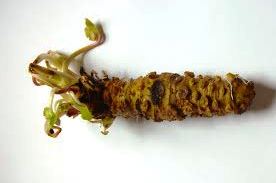
Wasabi rhizome

Sushi wouldn’t be complete without a traditional mound of wasabi, but sushi lovers rarely ever get real wasabi.

IMG_0765

The pistachio-green paste is often just a blend of European horseradish, mustard, and food coloring. Even in Japan authentic wasabi is in short supply.

History

The discovery of real wasabi dates back to the 10th century when a farmer first cultivated it and showed it to a Japanese warlord who later became Shogun. The warlord liked it so much he declared it a treasure only to be grown in the Shizuoka area.

Wasabia japonica plants are slow growing perennials with a thick stem or rhizome, long petioles and large leaves. All parts of the wasabi japonica plant, including rhizomes, roots, stems and leaves are harvested, processed and valued for use. The rhizome looks a lot like a brussel sprout stalk after the sprouts are removed. It is a member of the Brassicaceae family, which also includes cabbages, horseradish, and mustard. Because the burning sensations of wasabi, which are felt primarily in the nasal passage, are not oil-based, they dissipate quickly and are diluted with additional food or liquid. The flavor is affected by how finely the wasabi is grated. The traditional way to grate wasabi is with a sharkskin grater, called an oroshi, which resembles fine sandpaper.

During a trip to Japan a few years ago, my husband and I took a side trip to the Daioo Wasabi Farm to learn more about the commercial cultivation of wasabi. We took a local train east from Matsumoto (Nagano Prefecture) to Hotaka, a small farming town, where we rented bikes.  Having been at the mercy of trains and buses for several days, the freedom of biking through the countryside on three-speed bikes with baskets was a joy.

Daioo is an old-style wasabi farm with rickety water mills used for grinding the wasabi root into that green paste we all know and fear. Wasabi is very temperamental to grown because it needs a special balance of soil minerals and cold, clear water. It’s growing practices are carefully-guarded secrets and the supply of genuine wasabi japonica is limited. The wasabi at Daioo is grown in screen-shaded gravel beds (to simulate the conditions under a natural forest canopy) and fed with a constant supply of fresh water from a river that fed into the larger Saigawa River.

Screen-shaded wasabi beds

Screen-shaded wasabi beds

Wasabia japonoica plants are usually harvested two years after planting but can take as much as three years to reach maturity. Normally the rhizome will is approximately six to eight inches in length and an inch or so in diameter when it is harvested.

The wasabi harvest

The wasabi harvest

Culinary Uses

Wild wasabi was first used to season raw trout, raw venison and pickled vegetables. Tasting at Daioo included a variety of products made from wasabi – including ice cream!  My favorite were the potato cakes (similar to McDonald’s hash browns) served with squeeze bottles of wasabi mayonnaise.

Cleaning the wasabi rhizomes

Cleaning the wasabi rhizomes

Health Benefits

Wasabia japonica has powerful anti-bacterial properties and also kills some forms of E-Coli and Staphylococcus.  Studies also indicate it helps reduce mucous, which has made it the focus of experiments relating to its use in combating asthma and congestive disorders.  It is very low in Saturated Fat, Cholesterol and Sodium.  It is a good source of Vitamin B6, Calcium, Magnesium, Potassium and Manganese, and an excellent source of Dietary Fiber and Vitamin C.

References

Nutrition Data. http://www.nutritiondata.com

Real Wasabi. http://www.realwasabi.com

Arnaud, Celia Henry. “Wasabi: In condiments, horseradish stands in for the real thing.” Chemical & Engineering News.

Wikipedia. http://www.wikipedia.com

Week 3: Artichokes

artichoke

The globe artichoke (Cynara cardunculus var. scolymus) is a type of thistle from the sunflower family which has been cultivated as a food. The plant, including the stalk on which the artichoke “flower” grows is 4-7 feet tall. The large edible head or bud of the plant is formed of thick leaves or “bracts,” the heart and the “choke.”  The name artichoke comes from the Italian words articiocco and cocali which mean pine cone.

History

Native to the Mediterranean area, artichokes were described by Greek philosopher and naturalist, Theophrastus (371-287 B.C.), who had seen them in Italy and Sicily. Ancient Greeks and Romans considered them a delicacy and thought they were an aphrodisiac. Artichokes were mentioned in France in the mid-16th century and were introduced to England by the Dutch around the same time period. French immigrants brought them to Louisiana and Spanish immigrants introduced them to California and Half Moon Bay in the 19th century.  Later member of the New York mafia, Ciro Terranove became known as the “Artichoke King” after the commandeered all the crates of artichokes shipped from California and resold them at a 30-40 percent profit. . Did you know that 99.9% of artichokes in the US are grown in California? This prompted the governor to recently name it as the state’s official vegetable.

Cultivation

There are over 140 varieties of artichokes. Though technically perennials that normally produce the edible flower only during the second and subsequent years, certain varieties of artichoke can be grown from seed as annuals, producing a limited harvest at the end of the first growing season, even in regions where the plants are not normally winter-hardy. This means home gardeners in northern regions may be able to grow artichokes without providing winter protection.

When harvested, the artichokes are cut from the plant leaving an inch or two of stem. Artichokes will stay fresh for a week or two in the refrigerator.

Retail florists also use the globe artichoke in floral arrangements, and it is sometimes grown in flower borders due to the attractive purplish flower head.

Health benefits

Artichokes have some of the highest levels of antioxidants in the fleshy part of their leaves and in the heart. Artichokes have been found to aid digestion, gall bladder function and to reduce cholesterol. The chemical acid cynarine in artichokes inhibits taste receptors, making other foods eaten with artichokes taste somewhat sweeter.

Culinary uses

Artichokes are cooking in a variety of ways – from steaming or boiling them whole and stuffing them to using the artichoke hearts in salads, stews and casseroles.  In the Mediterranean, it is popular to precook and marinate baby artichokes before roasting them on a grill.

Resources:

California Artichoke Advisory Board. http://www.artichokes.org

Cultivating a Healthy Food System. http://www.ceusa.org

Stradley, Linda. “History of Artichokes.”  http://www.whatscookingamerica.net

Wikipedia. http://www.en.wikipedia.org


52 Food Blogs

I’m starting 52 weeks of food blogs – one a week – about various food items from aphrodisiacs to zucchini flowers. (They’re not alphabetical, so you’ll have to wait for that first one.) I plan to cover history, cultivation, medical and culinary uses of each item followed by an appropriate recipe.  Follow me so you don’t miss any! #food #foodies #cooking #recipies

Week 1: Cinnamon

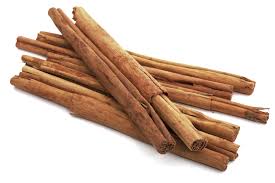
Cinnamon

Cinnamon is the bark of the laurel tree (C. Zeylanicum) which historically was grown only in Ceylon (Sri Lanka.) Today cinnamon is grown more commonly from the C. Cassia tree. which is cultivated in India, Sumatra, Java, Brazil, Vietnam, The West Indies, Egypt, Zanzibar, and Madagascar.

History

The history of cinnamon dates back to about 2800 BC where it can be found referenced as kwai in Chinese writings.

In Rome in AD 65, the Emperor Nero is said to have burned a year’s worth of the city’s supply at the funeral for his wife Poppaea Sabina  (perhaps as a way to mask the odor of her dead body), although cinnamon was too expensive to be used regularly on funeral pyres.

The ancient Egyptians used it in embalming mummies because of its pleasant odors and preservative qualities. Cinnamon is also mentioned in the Bible – In Proverbs as a perfume mixed with myrrh and aloe and in Exodus blended with myrrh and olive oil as a holy anointing oil used by Moses.

The first mention of the spice growing in Sri Lanka was in “Monument of Places and History of God’s Bondsmen,” an Islamic medical manuscript, in about 1270 and in a letter from John of Montecorvino, an Italian missionary, dated 1292.

Indonesian rafts transported cinnamon (known in Indonesia as kayu manis- literally “sweet wood”) on a “cinnamon route” directly from the Moluccas to East Africa, where local traders then carried it north to the Roman market. Arab traders brought the spice overland trade to Alexandria in Egypt, where it was bought by Venetian traders from Italy who held a monopoly on the spice trade in Europe. Due to the high cost of ship building and the risks inherent in sea voyages, plus a virtual monopoly on the overland trade route by the Venetians, only the elite could afford to use it.

Portuguese traders landed in Ceylon at the beginning of the sixteenth century and restructured the traditional production and management of cinnamon by the Sinhalese, who later held the monopoly for cinnamon in Ceylon. In 1518 they established a fort on the island and protected their own monopoly for over a hundred years.

Dutch traders established their own trading post in 1638, took control of the factories by 1640, and eliminated the remaining Portuguese by 1658. “The shores of the island are full of it”, a Dutch captain reported, “and it is the best in all the Orient: when one is downwind of the island, one can still smell cinnamon eight leagues out to sea.” The Dutch East India Company revamped harvesting methods in the wild and eventually began to cultivate its own trees. In 1767, Lord Brown of East India Company established Asia’s largest cinnamon estate and a few years later, in 1796, the British took control of the island. However, the importance of cinnamon had begun to decline with coffee, tea, sugar, and chocolate replacing its popularity.

Growing & Harvesting

In Sri Lanka, cinnamon is grown on the coastal plains south of Colombo.  After the tree is grown for two years, it is cut down. The next year, little shoots appear. During the rainy season, these shoots are cut at the base and peeled of their thin inner bark. The cinnamon curls naturally and dries within a couple of hours of being cut. Cinnamon rolled from the thick bark of the cassia plants do not show multiple layers of any kind. Ceylon cinnamon quills, however, may show multiple layers of a thinner bark.

Cinnamon is graded according to its thickness and include classes called Continental, Mexican, or Hamburg. Quillings, which are quills broken in handling, featherings, which are the small inner pieces of bark too small to use in quills, and shavings known as chips are further grades of cinnamon.  Generally featherings and chips are used to produce ground cinnamon. Cinnamon quills can be stored for 2-3 years if stored in an airtight container.

Medicinal Uses

In traditional Chinese medicine, Cassia cinnamon is used for colds, flatulence, nausea, diarrhea, and painful menstrual periods. It’s also believed to improve energy, vitality, and circulation and be particularly useful for people who tend to feel hot in their upper body but have cold feet.

Though not fully understood in ancient times, we now know that cinnamon has anti-microbial and anti-clotting properties. Recent studies show additional health benefits to include controlling blood sugar, improving colon and heart health and boosting brain power. These benefits are attributed to 3 main essential oils found in this bark – cinnamyl alcohol, cinnamyl acetate, and cinnamaldehyde  as well as naturally-occurring courmarin. (Coumarin is a blood thinner which is also found in celery, chamomile, sweet clover, and parsley.)

It is thought by some that simply smelling cinnamon can improved cognitive function –  improved attention, working memory, virtual recognition memory, and motor speed.

Culinary Uses

Cinnamon is one of the most popular spices – especially for baking – and can be found in breakfast rolls, cakes, cookies and ice cream. Cinnamon adds zing to vegetables like squash, pumpkin and carrots as well as fruits like apples, pears and bananas. It is used widely in Caribbean, Mexican, African, Greek and Indian cooking and is used in savory dishes like lamb and chili. Cinnamon reduces the acid in recipes using tomatoes (Try adding a pinch to homemade spaghetti sauce.)

References

Alternative Medicine. http://altmedicine.about.com.

Natural Standard: The Authority on Integrative Medicine. www.naturalstandard.com

Norman, Jill. Herbs & Spices: The Cook’s Reference.

InDepthInfo Network. http://www.indepthinfo.com

Wikipedia. http://en.wikipedia.org.

World’s Healthiest Foods. http://www.whfoods.com


Which oil should I use?

The “smoke point” of an oil is the temperature at which it begins to break down and, well, smoke. Every type of oil has a different temperature at which this occurs, and it’s important to choose the correct oil for the cooking method you are using in order to keep the food from tasting burned. The more refined an oil is and the lighter it is, the higher the smoke point as well. That’s because the refining process removes impurities. And speaking of impurities, never reuse oil for frying as it will degrade somewhat because it has already been heated, and it will retain bits and pieces of fried food in it (impurities) which will further reduce the smoke point.

So, which oil should you use? There was a time when our grandmothers cooked almost exclusively with lard or vegetable shortening.

We all know that a fried egg for breakfast always tastes better fried in butter, but use a medium low temperature to keep the bottom and edges of the egg from burning and ending up hard.

If you want to sauté a chicken breast in a little bit of butter, add a tablespoon of olive oil. It will raise the smoke point and helps to keep the butter from burning as the chicken breast will take longer to cook than that egg and you’ll be using a slightly higher temperature.

If you are deep frying, you should use an oil that can be heated to a higher temperature.  Ideally, deep frying should be done at 375 degrees. If you don’t heat the oil to that temperature, the food you are cooking will soak up the oil with soggy, greasy results.

Here is a list of oils, their smoke points and some suggested uses.


Type of Oil

Smoke Point

Suggested Uses

  Almond   Oil

420o   F

  Sautéing  and stir frying
  Avocado   Oil

520oF

  Stir frying and searing
  Butter

250-300o   F

  Eggs, grilled sandwiches, and baking
  Canola   Oil

400o   F

  Frying
  Coconut   Oil

450o   F

  Baking and candy making
  Corn   Oil

400-450o   F

  Frying
  Ghee  (Clarified butter)

375-485o   F

  Sautéing and frying
  Grapeseed   Oil

420o   F

  Sautéing and frying
  Hazelnut   Oil

430o   F

  Marinades and salad dressings
  Lard

370o   F

  Baking and frying
  Macadamia  Oil

413o   F

  Sautéing, searing, and stir frying
  Olive Oil (Extra Virgin)

375-406o   F

  Salad dressings
  Peanut Oil

450o   F

  Deep frying
  Safflower Oil

510o   F

  Mayonnaise and salad dressings
  Sesame Oil

450o   F

  Sautéing and stir frying
  Soybean Oil

450-475o   F

  Used in margarine, shortening and  in       salad  dressings
  Sunflower   Oil

440o   F

  Used in margarine, shortening and salad dressings
  Vegetable   shortening

360o   F

  Baking and frying
  Walnut   Oil

400o   F

  Sautéing, searing and stir frying