Sweet Potato and Black Bean Burritos

These burritos are quick and easy to prepare, completely vegetarian and so healthy!

Ingredients:

4-6 whole wheat tortillas

2 large sweet potatoes

1 T. olive oil

2 cans black beans, drained

1 clove garlic, minced

3 T. cilantro, diced

1 bunch scallions, sliced

2 avocados, diced

2 c. grated cheddar cheese

Sour Cream

Directions:

Bake sweet potatoes for 30-40 minutes or until tender in 350oF oven.  Cut in half and squeeze potato pulp from the skin into a small bowl.  Mash with fork.  In a saucepan, heat olive oil and saute garlic.  Add black beans and cilantro and heat through.  To assemble, place a tortilla on a plate, top with 2-3 T. of mashed sweet potato, add 3 T. black beans and sprinkle with cheddar cheese.  Heat in microwave for 40 seconds until cheese melts.  Remove from microwave and top with scallions and avocado.  Garnish with cheddar cheese.  Fold up the bottom and then the sides to form  burritos.  Enjoy!

Week 14: Flatbread

Flatbread generally refers to any type of unleavened bread and examples of different types of flatbread are found throughout the world. It is the most ancient type of bread.

Some of the more familiar flatbreads include:


Focaccia (Italy) – a square-shaped oven-baked Italian bread often seasoned with olive oil and salt, and sometimes herbs, and topped with onion, cheese and meat, or flavored with a number of vegetables. Focaccia dough is similar in style and texture to pizza dough, and is made from high-gluten flour, oil, water, salt and yeast. It is typically rolled out or pressed by hand into a thick layer of dough and then baked on a stone or in an oven. Bakers often puncture the bread with a knife to relieve bubbling on the surface of the bread. Also common is the practice of dotting the bread. This creates multiple wells in the bread by using a finger or the handle of a utensil to poke the unbaked dough.

Injera

Injera (Ethiopia) – is a yeast-risen flatbread with a unique, slightly spongy texture. Traditionally made out of teff flour. Teff is an annual grass, a species of lovegrass, native to the Ethiopian Highlands with a small grain.

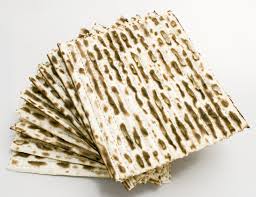
matso

Matso (Israel) – an unleavened bread traditionally eaten by Jews during the week-long Passover holiday. There are numerous explanations behind the symbolism of matzo. One is historical: Passover is a commemoration of the exodus from Egypt. The biblical narrative relates that the Israelites left Egypt in such haste they could not wait for their bread dough to rise; the bread, when baked, was matzo. The other reason for eating matzo is symbolic as it symbolizes redemption and freedom, but it is also known as “poor man’s bread”. Thus it serves as a reminder to be humble, and to not forget what life was like in servitude. It is customary to eat matzo made of flour and water;  matzo eggs, wine, or fruit juice in addition to water is not considered acceptable for use. The flour can be made from the five grains mentioned in the Torah: wheat, barley, spelt, rye and oats.

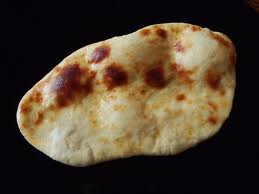
naan

Naan (India) – a leavened, oven-baked flatbread made of wheat flour. Generally, it resembles pita and is usually leavened with yeast.  Modern recipes sometimes substitute baking powder for the yeast. Milk, which yields a softer dough or yogurt may also be used to impart distinct tastes to the naan. Typically, it is served hot and brushed with ghee (clarified butter) or it can be used to scoop up other foods, or served stuffed with a filling.

pita

Pita (Greece) – a slightly leavened wheat bread, flat, either round or oval, and variable in size. Pita is used to scoop sauces or dips such as hummus, and to wrap kebabs, gyros or falafel like sandwiches. Most pita are baked at high temperatures (450 °F), causing the flattened rounds of dough to puff up dramatically. When removed from the oven, the layers of baked dough remain separated inside the deflated pita, which allows the bread to be opened into pockets, creating a space for use in various dishes.

Tortillas

Tortillas (Mexico, Latin America) – a type of thin flatbread made from finely ground corn or wheat flour. The word tortilla in Spanish means “small torta”, or “small cake” and was originally a bread of maize which predated the arrival of Europeans to the Americas. Wheat flour tortillas were created after wheat was brought to the New World from Spain. Tortillas have been a staple for thousands of years in north, northwest and northeast Mexico as well as in many southwestern US Native American tribes. Tortillas are commonly prepared with meat to make dishes such as tacos, burritos and enchiladas.

Resources

Wikipedia

Wikimedia


Rwanda

IMG_1272

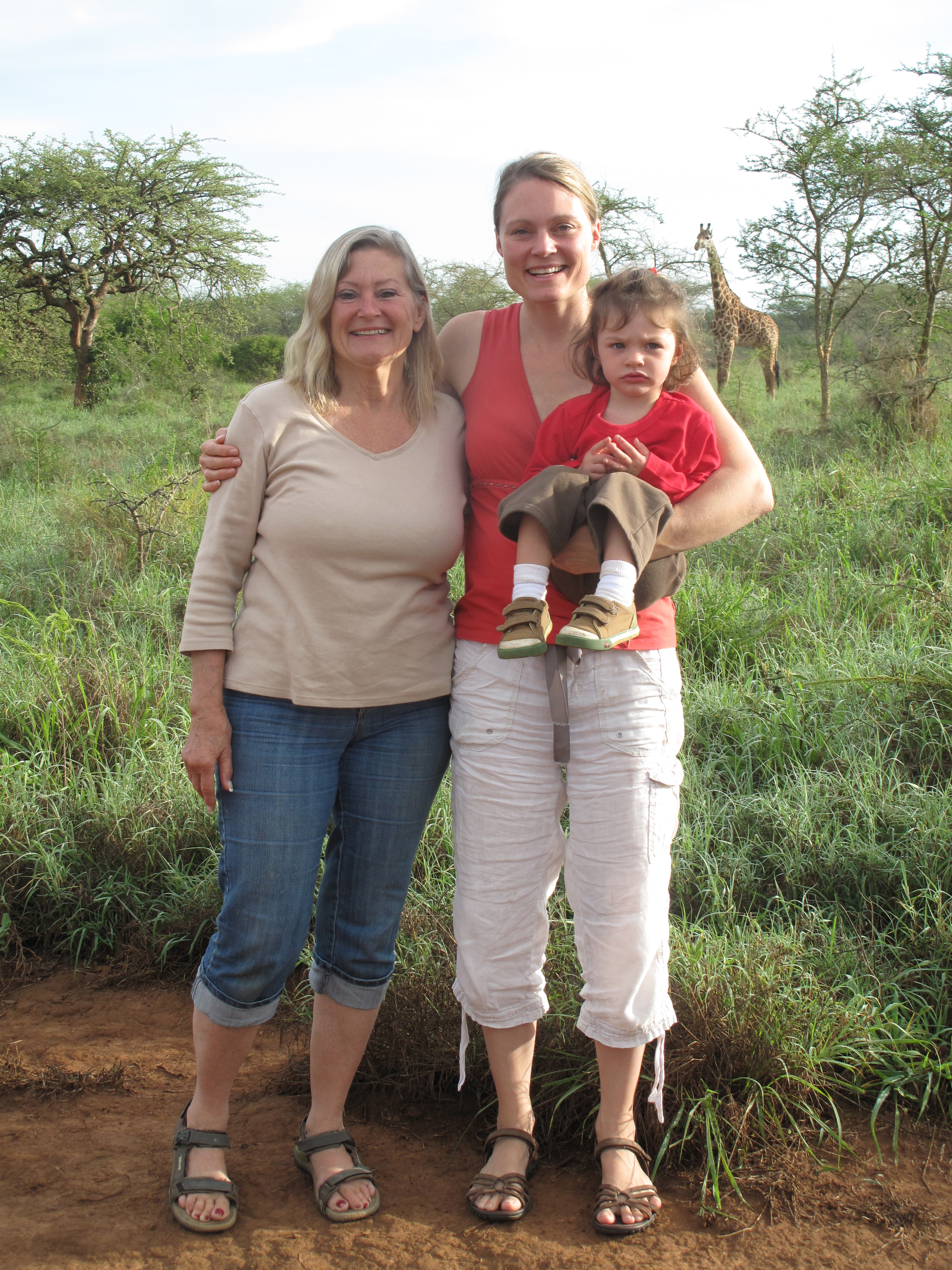
I recently returned from a three-week trip to Rwanda with my daughter, Gretchen, and my granddaughter, Avery.  Gretchen is the founder and president of a non-profit that helps women and girls by teaching them how to start social entrepreneurships to solve problems in their communities (www.globalgrassroots.org).  My primary purpose while there was to babysit Avery while Gretchen taught her class to a group of new students.

When we landed at the Kigali airport it was dark, in the mid 60’s with no humidity. The airport was small – only 2 baggage carousels – with the only difference from small airports in the US  being the passport check, the high fence around it covered with razor wire and the guards carrying kalashnikovs!  The city of Kigali was more developed than I had expected. The ride to our “guest house” reveled hilly terrain sparkling with house/street lights, moderate traffic, paved 4-lane roads lined with shops (most with hand-painted signs above them) and lots and lots of people walking around despite the absence of sidewalks. The hotel was called “Heaven” and was in a gated compound.  (We loved telling taxi drivers, “Take us to heaven!”) They had an open-air bar and restaurant, but only 3 rooms. Ours had ceramic tile floors, 2 beds – one king and one single – with mosquito netting, a small refrigerator, a large wardrobe, a standing fan, small desk & night stands/lamps. The walls were plaster & the ceiling bamboo. It was very spacious and had a private bathroom. We ate dinner on the deck at the hotel restaurant the first night overlooking the lighted hills in the distance. We shared a roasted vegetable salad and then had mushroom orecchiette which was fabulous!
I didn’t research this area before we left as I might normally do before traveling, and my role as Nanny and lack of transportation limited my ability to really explore. We were on foot/stroller while Gretchen was teaching class. If we were to take a taxi anywhere we had to bring the car seat & then lug it around with us when we reached our destination. So, Gretchen selected a safe neighborhood (expats, ambassadors, presidential palace) within 20-30 minutes of a downtown area that offered shops & people watching OR we could walk to the Hotel des Mille Collines (thousand hills) which was very luxurious in a guarded complex (kalishnakovs every where) with pool, bar and outdoor courtyard and an expansive team of service providers. This was the hotel on which the movie “Hotel Rwanda” was based.
Gretchen arranged our travel itinerary so we could recuperate from the 20+ hour trip and adjust to the time change on the weekend before her class began.  After breakfast on the first morning we were there, we walked downhill for about 45 minutes to the craft market – a triangular cluster of about 30-40 little shops painted bright blue and green. I think it was a co-op of sorts as there seemed to be a “manager” who wanted to direct you to various people’s shops. Merchandise included brightly-colored bags, aprons, woven baskets, beaded jewelry, carved masks, statuary (lots of animals), bowls, etc. It took us a little over an hour to get back, so we got some good exercise too.
On the first morning of Gretchen’s class, her driver came to pick her up at 8:45. Avery had slept through the night, only stirring a couple of times. We went to breakfast early (during the week we only have a choice of eggs, scrambled or fried, white toast,  (no meat), diced fruit, a drinkable yogurt and coffee or tea. Alas no crepes or eggs Benedict! We spent our day at the pool at the other hotel and had a great time in the chilly water.
The next day we were able to accompany Gretchen to her class. The classroom in the long, low tan brick building was not illuminated by electricity. Cement floors and parquet-patterned reed ceiling formed the backdrop for the class. Daylight filtered through the barred windows casting dim shadows off the blue plastic chairs which had been arranged in a large circle. Thirty- eight chairs were occupied – most by participants in the social entrepreneur class, others by Gretchen, her Rwandan employee and interpreter on this day, a Dartmouth graduate who oversees the Liberian eAcademy that Gretchen started, the man who runs her program in Uganda, and three graduates from a recent retreat Gretchen had held.
Gretchen started with breathing and exercises to evaluate each person’s mood and to focus on being fully present for the next few hours. She explained that there would be a break for tea (and bananas as it turned out, which attracted the little grayish-brown monkeys with the black faces), and the afternoon would be spent with a demonstration on how to list issues that need to be addressed in a community and to show how they are linked together.
I left the classroom then to take Avery for a walk. We left the compound and headed down the road for the shops along the main boulevard. (I noticed only the main roads are paved – the others are dirt) we walked for about an hour. Bought a bib (she’s been making a mess of her favorite Italia shirt & then gets upset when we try to wash it) and we returned for the afternoon session for about half an hour before lunch – a typical high-carbohydrate African meal of rice, potatoes, peas and chicken (very spicy).
My thought about the morning? I was surprised to see that about 7 of the people in the class were men and that everyone was eager to participate and raised their hands to comment. Some of the students had come from as far away as the Congo.
Gretchen is amazing as an instructor! She manages to explain complicated ideas (social entrepreneurship) to people with limited education through an interpreter with patience, respectfulness, and enthusiasm. All her helpers think she is incredible! As I understand it, once they identified the social issues that needed to be addressed,  they discussed “what assets do you have to work with.”
That afternoon after class, we headed for the Rwandan Genocide Memorial.  The exhibits in the museum started with “What was Rwanda like before?” It gave a very thorough description of the effects of colonialization on the country and how the Rwandans were forced to get identity cards in 1932 (anyone with more than 10 cows would be a Hutu and anyone with fewer cows would be a Tutsi.) Step by step, the exhibits documented the government & Hutus elimination of the Tutsis. So hard to understand genocide in this day and age. It was really overwhelming.  (The book “The Devil Came on Horseback”  about our son Brian’s experiences in Sudan which was co-authored by Gretchen was sold in their gift shop!)
We changed hotels after four days to be closer to where Gretchen’s classes were being held. Avery and I mostly spent our days taking walks or going to the pool, although we were included on field trips with the class.  One afternoon, we drove 1 1/2 hours out of town to a little village called Biymana to see two of Gretchen’s projects working. (Did you know that Global Grassroots funds approximately 50 projects that touch the lives of over 50,000 people?)
The drive out of the city was great – lush hilly terrain terraced with banana groves, coffee trees, rice paddies & raised vegetable beds accented by cement houses, most with clay tile roofs. I saw a goat or two tied up to a post near a garden plot and 4 cows once, but other than that there were no animals. All the crops are planted and harvested by hand – they have no plows of any sort, no horses or oxen, no tractors! We passed hundreds of people walking along the side of the road carrying baskets of produce or bundled goods on their heads, mothers with babies wrapped in brightly-colored fabric on their backs, mini-buses and motorbikes.
The first project was one that taught single mothers how to sew so they could support themselves. The group had four treadle sewing machines in a small cement building in the center of the village. The second project was a building project at a primary school for a girl’s washroom. At the school, over 1,000 students were waiting for our arrival! The response from the groups whose projects she funded was incredible. Gretchen was so low-key and gracious. I was so proud of her and the opportunity to see her work in action.
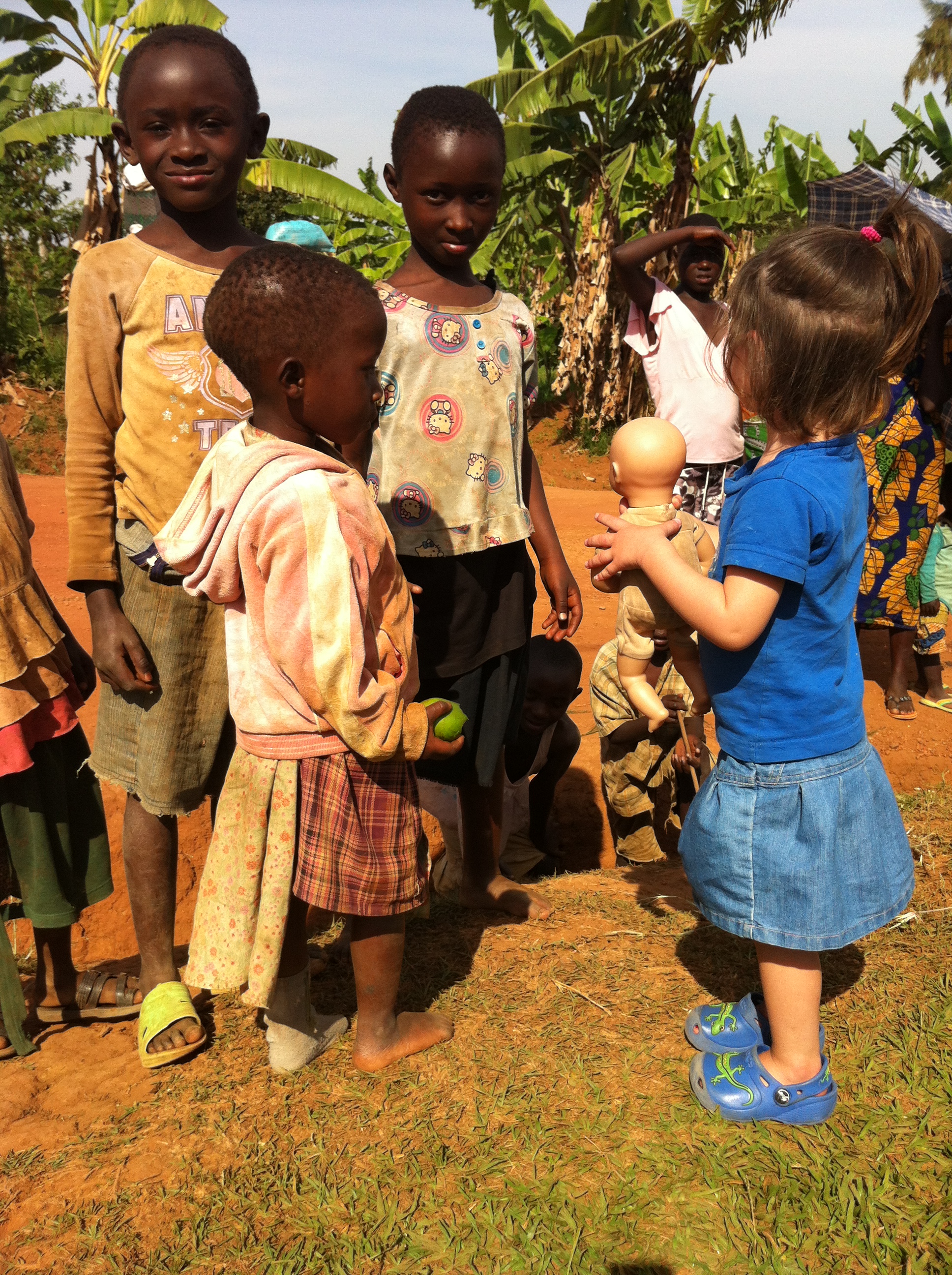
Avery is a real little ambassador! She offers her doll to people as a token of good will and then waits for them to give it back. She’s always so delighted when they accept it! And she loves all the children so much.
IMG_1297
Saturday was the day the students in Gretchen’s class presented their proposed ideas for funding. The money that Gretchen awards them is supplied as a grant and is not micro-financing with requirements that it be paid back.  Instead, she helps them figure out how their projects that be sustainable.
One person from each group presented their proposal based on a structure Gretchen had given them. They started by drawing a diagram of the roots of a tree with problems stated on each “root” line.  All of the projects presented were water projects, but the problems covered a broad spectrum of issues that affected women and girls with scarcity of water or poor water quality at the base. Some of them included infidelity (if we had more water, the women could wash and their men would want to be with them instead of finding someone else), sexual abuse (women raped on the way to collect water or they trade men sex for collecting water for them),  and domestic violence  (men are angry when it takes their wife so long to collect the water in the morning). When they listed their assets, they included things like volunteers, a hammer, a chair, knowledge and wisdom. It really broke my heart to see how little they had to work with and reminded me of how much we take for granted on a daily basis.
After the presentations, we headed for Akagera National Park for the rest of the weekend to go on a safari. The first part of the drive outside the Kigali city limits was again lush countryside but with far more banana plantations than we had seen before (we learned that potatoes were planted around all the banana frees to use the space wisely) and many fish farms – all tilapia with raised huts in them that housed rabbits. The rabbit droppings fed the fish and vegetation was grown hydroponically to feed the rabbits. We had noticed that most of the restaurants had tilapia on the menu, but didn’t realize it was local.
As we continued our drive, we turned off the main road onto a pockmarked dirt road studded with big rocks that was difficult to navigate. We noticed that the terrain began to change. The soil became redder and the houses (about 10×15 with one door and a small window on each side) were no longer made of cement but rather of “bricks” made of red clay and straw with corrugated metal roofing. There were fewer trees and the land flattened out. We still saw lots of people walking, carrying plastic yellow “gas cans” for water collection at central pumps in the villages, HUGE bundles of sticks in 4-foot lengths balanced on heads, women “sweeping” the dry red dirt outside their houses, laundry spread out to dry on bushes, children rolling bicycle tires with sticks (no toys or balls here), a few goats and small wood fires outside some of the houses.
After about a 2-hr drive, we arrived at the locked gate to Akagera National Park. It closed for the night at 6PM and there were security guards posted to protect the animals. They admitted us and we stopped at the Visitor’s Center to pay the entrance fees. The next morning accompanied by one of the Park Rangers we headed down a deeply rutted road into the game park. The park is at an altitude of 1,400 ft. and had two different habitats – marshland along the lake and vast grassland on a flat plain and the hills overlooking it. There is mostly scrub brush, acacia trees, eucalyptus, grasses and we saw papyrus growing. Remember they used that to make paper in ancient times? The ranger said it is used today for roofing and also for woven mats. It looks like giant dandelion puffballs in green and brown – about 8-10 ft tall and a foot across!
The first game animal we sighted was a water buck (like a mule deer). The park ranger explained that when they are killed, they release a hormone which poisons their meat. We saw impalas (small bronze colored deer), roan antelope (the largest antelope & very rare, it’s the size of an elk), oribi (another small deer), topi (an antelope that can run 70 kph), duiker (small deer that hops like a kangaroo), water buffalo, warthogs, and giraffes. Giraffes feed on acacia trees, which have thorns.  The giraffe’s tongue is extra tough so they aren’t bothered by them. We saw giraffes at many locations in the park. The elephants were feeding too. Unfortunately we didn’t hear any of them “trumpet.”  Zebras each have a slightly different pattern of stripes – like fingerprints. We saw hippos, although we only saw their eyes & ears as they were all submerged. There were two extremely large crocodiles sunning themselves near the hippo pond, but we weren’t allowed out of the car to get a close shot. HUGE termite mounds were everywhere and dotted the landscape like gopher holes.
There are 535 species of birds in the park and we saw: Grouse (which the ranger said tasted like chicken), guinea hens, kingfishers, white broad coucal (large like a hawk), grand parrot, woodpeckers, egrets, herons, eagles, go away bird (because it’s cry sounds like “go away, go away”), buzzard, bustard, red turacol (which was black until it spread it’s wing sto fly and they were a brilliant red), a beautiful iridescent turquoise starling and 4-5 more whose names I failed to record. It was a great day of animal sightings and we arrived back at the lodge at 3 PM in time for a quick swim & late lunch before the drive back to Kigali.
Avery and I spent the next day hanging around the hotel (playground, building with brix, stories, plants, searching for lizards, etc) and then went for a walk with Gretchen after she returned from her class. We walked about 30 minutes to the Kimoronko Market – largest market in Kigali. On the way we passed a young boy with a bucket of hard boiled eggs & a salt shaker. I don’t know how much he was charging for each egg but it looked like a great business venture. The market was amazing – HUGE with fruits & vegetables, meats, fish (merchants who sold meat wore red coats like doctors & those who sold fish wore white), hardware items, housewares, shoes, clothing (much used), and so much more. Everything was packed floor to ceiling in a huge metal-roofed cement building twice the size of Wal-Mart – unlit except for scattered skylights. We bought bananas, mangoes, carrots, and yellow sunglasses for Avery. One young man followed us around with a fragrant bag of basil be wanted us to buy. Another was hawking her freshly shelled leas. and the woman next to her was peeling cloves of garlic. Seamstresses had their treadle machines set up in the aisles, A cobbler was mending shoes and using a hand-turned sewing.
IMG_1289
Everything was so cheap there. They have one hundred franc coins and then five hundred, one thousand, two thousand, and five thousand franc bills. There may be larger ones, but the average person would never use them nor be able to make change for larger bills. I think in their economy, they equate to $1, $5, $10, $20 and $50 bills, although they are worth so much less. An appropriate tip for a porter or taxi driver is 5 francs (70 cents) and, as waiters here get only 10% tips with food so inexpensive – we had homemade spinach ravioli the other night and it was only 3000 francs or $4.25 – a tip for an entire meal might only be 1,000 francs or $1.40! It’s easier to understand then why the average person in a village might subsist on only $300/year. (And also why they can’t afford $1,500 water tanks.)
We taught Avery some Rwandan words – hello, animal names and some body parts. She was really picking it up fast. The language native to Rwanda is kinyarwandan (keen-rwandan) although most of the population also speaks French which was first introduced by Catholic missionaries long ago. English has only been taught in the schools for about 4 years. When I hear Rwandans talking, it sounds so much like Tagalog or Japanese (how can countries so far apart speak somewhat the same?) and the words when written look like Tagalog. Here are some common words/phrases:
Good Morning – Mwaramutse
Hello – Muraho
Thank you – Murakoze
How are you? Amakuru
Fine – Ni meza
Good job – Akazikeza
Listen – Umva
Good bye – Murabeho
Toilet (a very important word) – ubwiherero
Water – Amaze
Foreigner (or white person) – Muzungu
Grandmother – Nyirakuru
Grandchild – Umwuzukuru
Wine (also important) – Divaya
And, yes, these are all spelled correctly although I battled that little spell checker guy over some of them as I was typing this story.
At the end of the two-week class, Avery and I joined Gretchen’s class for a field trip to see two water projects. The first was Seraphine’s – the woman with only a 2nd class education whose team installed a water tower. Global Grassroots funded the installation of these water towers outside a church.The well they used to go to (still being used by people who live close to it) was a 3+ mile walk down rutted roads. Seraphine said they will never stop thanking Global Grassroots for helping a bunch of women with nothing make their dream a reality.
Inline image 4
Then we visited another site within the Kigali city limits where Global Grassroots had funded the building of a water hut and a water tank on a spot where there was once just a pile of dirt. They use the money they make to buy health insurance, purchase sanitary supplies (soap, etc.) and to buy school supplies for children.
One of the participants in Gretchen’s class commented on how they were taking these classes to learn how to solve social issues and start their own sustainable non-profit. But, he said it made such a difference seeing that Gretchen’s model worked and that there were successful projects that had used it. He said they were able to meet face-to-face with people who had started with nothing and had worked hard and had achieved success.
Speaking of which, Gretchen explained to me that the first year she started these projects she just gave grant money but didn’t think to do any follow up. Now they have a project manager who does keep on top of all the projects to make sure everyone is doing okay. In addition she has an advisory council made up of the leaders of the 5 most successful ventures. Global Grassroots bases its success on how well they do what their participants want – not what Global Grassroots wants. They ask their participants how Global Grassroots can do its job better. Gretchen calls this participatory development. In other words, the people decide what they need and Global Grassroots empowers them to get it done – rather than Global Grassroots deciding what they need and either doing it for them or telling them what to do. It was really amazing watching Gretchen’s projects in operation. Everyone is so, so thankful and Gretchen is so, so humble.
Friday’s graduation ceremony for Gretchen’s class culminated in a special dance program. The dancers were amazing!  The students were middle school aged, so professional and enthusiastic. They’ve won national awards for their dancing and have also won national awards in math! Their sponsor told us they work with them and teach them time management so they can get their homework done and still have time for dance!
Again, it was an amazing trip.  Wish you all could have been there with us.

Quinoa Salad with Honey Apple Cider Viniagrette

Salad

1 c. dried quinoa

1 1/2 c. water

1/2 c. whole almonds, unroasted and unsalted

1 c. dried cherries

1/2 c. sliced scallions

1/4 c. yellow bell pepper, chopped,

1/4 c. fresh cilantro, chopped

Dressing

1/2 c. olive oil

2 T. apple cider vinegar

1/4 c. honey


Pour the water into a saucepan, and cover with a lid. Bring to a boil over high heat, then pour in the quinoa, recover, and continue to simmer over low heat until the water has been absorbed, 15 to 20 minutes. Scrape into a mixing bowl, and chill in the refrigerator until cold.

Once cold, stir in the almonds, cherries, scallions, yellow bell pepper and cilantro.  Combine all ingredients for dressing in a jar and shake to blend. Pour over quinoa, almonds, cherries and vegetables and toss lightly to coat. Season to taste with salt and pepper. Chill before serving. Serves 4-6.


Week 13: Grains

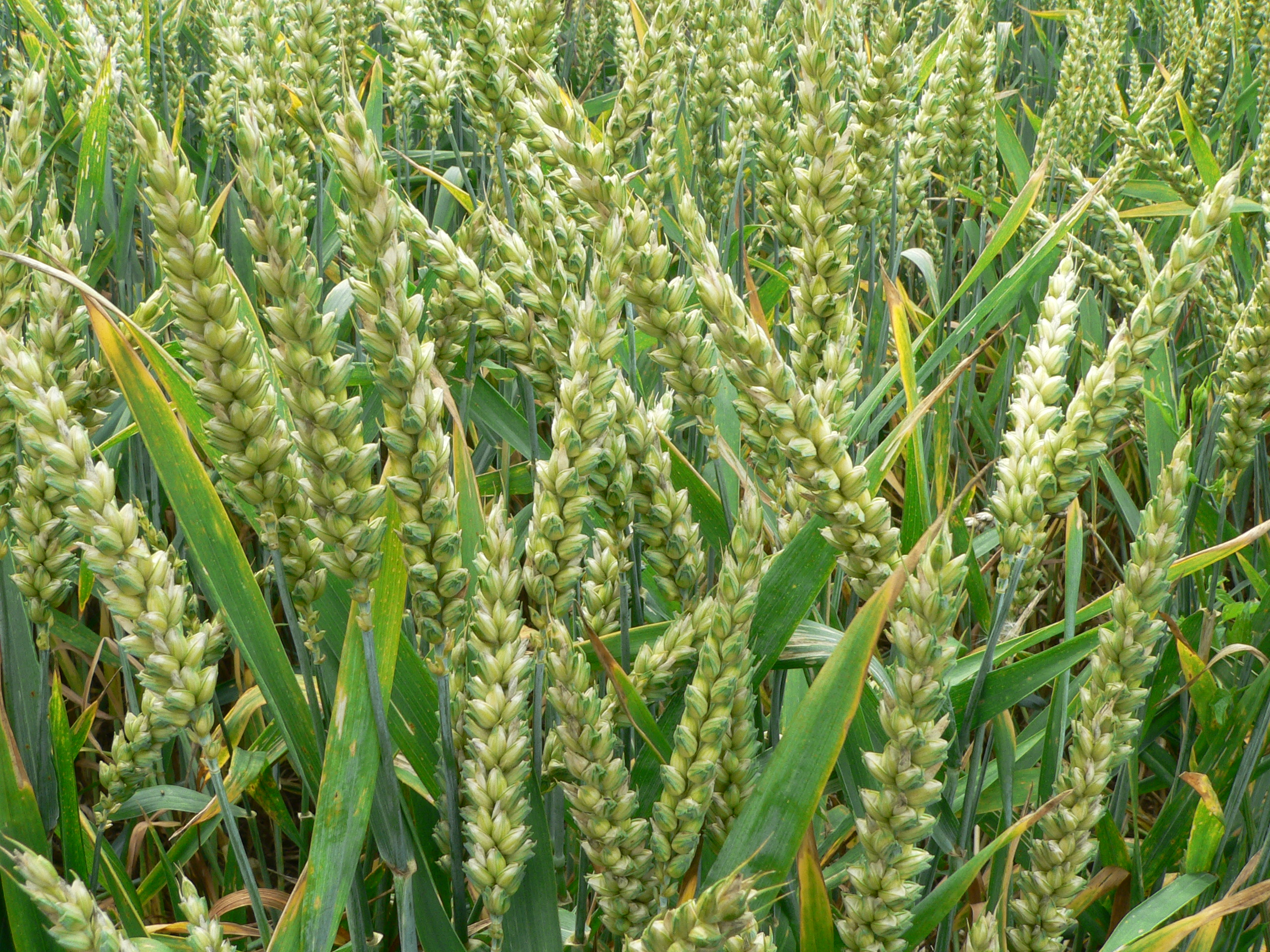
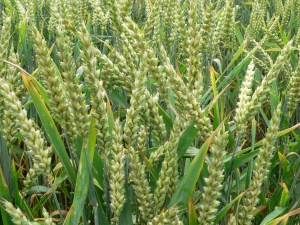
Wheat

Grains are grasses which are cultivated for their edible endosperm, germ and bran.  The bran is the multi-layered outer skin of the edible kernel. The germ is the embryo which has the potential to sprout into a new plant. The endosperm, the largest part of the kernel, is the germ’s food supply, which provides essential energy to the young plant so it can send roots down for water and nutrients, and send sprouts up for sunlight’s photosynthesizing power

Cereal grains are a rich source of vitamins, minerals, carbohydrates, fats, oils and proteins. They are grown in greater quantities and provide more food energy than any other crop worldwide. They include wheat, rice, oats, barley, quinoa, spelt, corn, bulgur, millet, rye, amaranth, buckwheat and sorghum.

The word cereal comes from the Roman ceres, the name of the Roman goddess of agriculture and harvest.  The first cereal grains, primarily wheat and barley, were cultivated around 12,000 years ago by ancient farming communities in the Fertile Crescent.

Cultivation

Most cereal crops are annuals, consequently one planting yields one harvest. Wheat, rye, oats, barley, and spelt are the “cool-season” cereals. These are hardy plants that grow well in moderate weather and cease to grow in hot weather (approximately 30 °C but this varies by species and variety). The warm-season cereals are grown in tropical lowlands year-round and in temperate climates during the frost-free season. Rice is commonly grown in flooded fields. Barley and rye are the hardiest cereals, able to overwinter in the subarctic region and in Siberia.

Once the cereal plants have produced their seeds, they have completed their life cycle. The plants die and become brown and dry. As soon as the parent plants and their seed kernels are reasonably dry, harvesting occurs, often by hand in developing countries.

Health Benefits

Whole grains contain valuable antioxidants not found in fruits and vegetables, as well as B vitamins, vitamin E, magnesium, iron and fiber. Whole grains reduce risks of heart disease, stroke, cancer, diabetes and obesity. Few foods can offer such diverse benefits.

People who eat whole grains regularly have a lower risk of obesity, as measured by their body mass index and waist-to-hip ratios. They also have lower cholesterol levels.

Culinary Uses

Whole grains are found in cereals, breads or constitute the starch portion of a well-balanced meal.  You can also increase your consumption of whole grains by making certain substitutions in your recipes.

  • Substitute half the white flour with whole-wheat flour in your regular recipes for cookies, muffins, quick breads and pancakes.
  • Replace one third of the flour in a recipe with quick oats or old-fashioned oats.
  • Add half a cup of cooked bulgur, wild rice, or barley to bread stuffing.
  • Add half a cup of cooked wheat or rye berries, wild rice, brown rice, sorghum or barley to your favorite canned or homemade soup.
  • Add three-quarters of a cup of uncooked oats for each pound of ground beef or turkey when you make meatballs, burgers or meatloaf.

Wheat

Wheat is the primary cereal of temperate regions. It has a worldwide consumption but it is a staple food of South Asia, North America, Europe, Australia and New Zealand. It dominates the grains we eat because it contains large amounts of gluten, a stretchy protein that enables bakers to create satisfying risen breads.

Rice

White rice is refined, with the germ and bran removed. Whole-grain rice is usually brown but, it can also be black, purple, red or any of a variety of exotic hues. Around the world, rice thrives in warm, humid climates and is the primary cereal of tropical regions such as the Philippines, Thailand, Korea, Japan, China, India and Brazil. Most all of the U.S. rice crop is grown in Arkansas, California, Louisiana, Mississippi, Missouri and Texas.

Converted rice is parboiled (partially cooked) before refining, a process which drives some of the B vitamins into the endosperm so that they are not lost when the bran is removed. As a result, converted rice is healthier than regular white rice, but still is lacking many nutrients found in brown rice. Brown rice is lower in fiber than most other whole grains, but rich in many nutrients.

Oats

Oats have a sweet flavor that makes them a favorite for breakfast cereals. Unique among grains, oats rarely have their bran and germ removed in processing.

In the U.S., most oats are steamed and flattened to produce “old-fashioned” or regular oats, quick oats, and instant oats. The more oats are flattened and steamed, the quicker they cook – and the softer they become. If you prefer a chewier, nuttier texture, consider steel-cut oats, also sometimes called Irish or Scottish oats. Steel-cut oats consist of the entire oat kernel (similar in look to a grain of rice), sliced once or twice into smaller pieces to help water penetrate and cook the grain.

Barley

Barley is one of the oldest cultivated grains. Egyptians buried mummies with necklaces of barley, and centuries later In 1324 Edward II of England standardized the inch as equal to “three grains of barley, dry and round, placed end to end lengthwise.”  It is a highly-adaptable crop, growing north of the Arctic circle and as far south as Ethiopia.

Barley has a particularly tough hull, which is difficult to remove without losing some of the bran. Hulled barley, available at health food stores, retains more of the whole-grain nutrients but is very slow-cooking. Barley is also used for making malt beverages.

Quinoa

Quinoa (keen-wah) comes to us from the Andes, where it has long been cultivated by the Inca. Botanically a relative of Swiss chard and beets rather than a “true” grain, quinoa cooks in about 10-12 minutes, creating a light, fluffy side dish. It can also be incorporated into soups, salads and baked goods. Though much of our quinoa is still imported from South America, farmers in high-altitude areas near the Rockies are also beginning to cultivate quinoa.

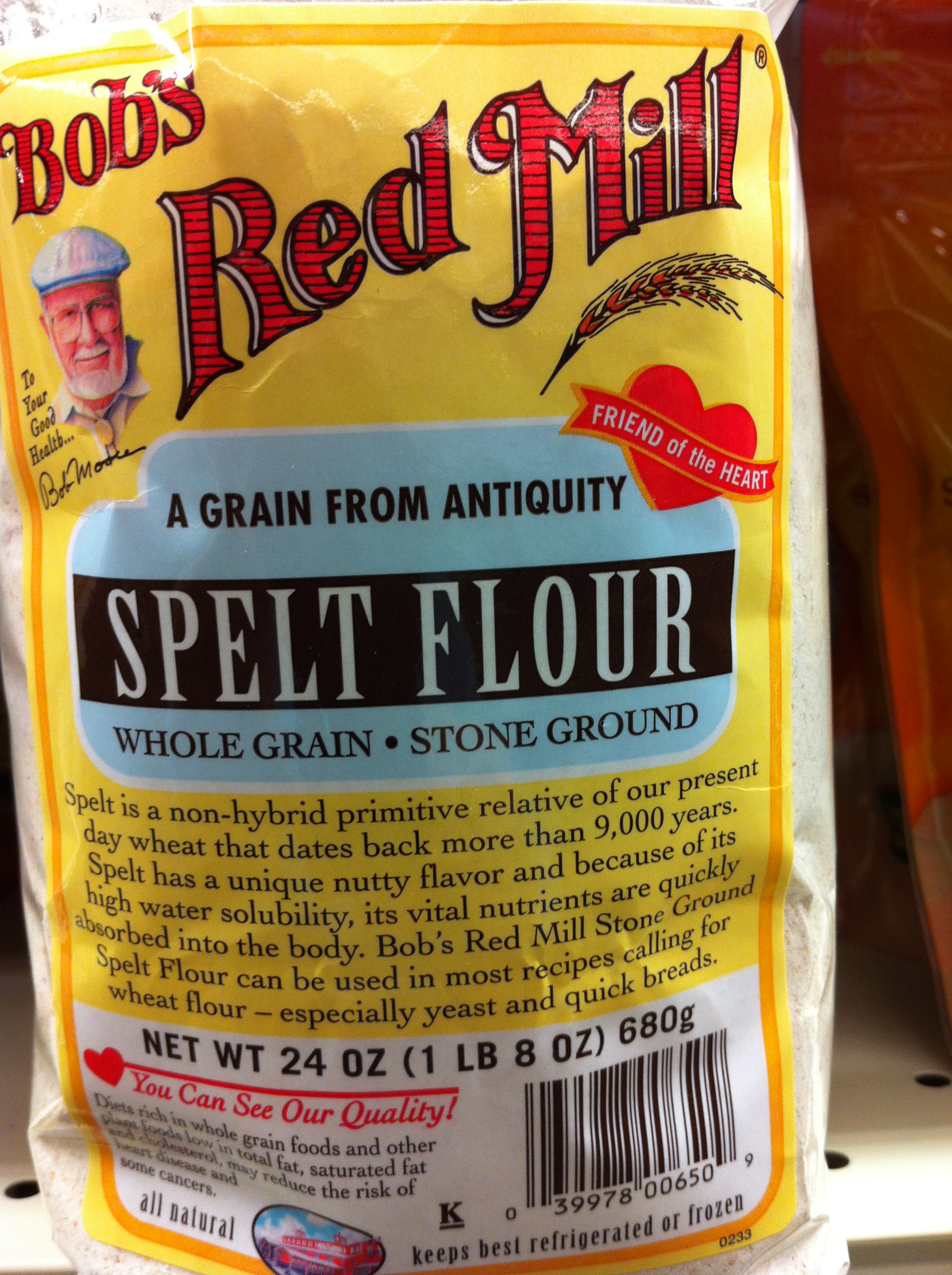
Spelt

IMG_1073

Spelt is a variety of wheat widely cultivated until the spread of fertilizers and mechanized harvesting left it by the wayside in favor of wheat which is more compatible with industrialization. Spelt flour can be used in place of common wheat in most recipes and is readily available in grocery stores.

Corn (Maize)

A staple food for both people and livestock worldwide, corn is cultivated in America, Australia, New Zealand, and Japan. A large portion of maize crops are grown for purposes other than human consumption. There used to be 307 different varieties of corn, but heirloom varieties are no longer available due to hybridization by big growers.  Currently, there are only 12 varieties grown worldwide.
Most of the corn grown in the U.S. is used to feed cattle and to make sweeteners. We eat corn as fresh corn on the cob, popcorn, polenta, tortillas and corn muffins. Traditional Latin cultures learned how to treat corn with alkali, creating masa harina. This treatment liberates the niacin in corn, so those who depend on it for sustenance will avoid pellagra. Eating corn with beans creates a complementary mix of amino acids that raises the protein value to humans.

Millet

Millet is rarely served to humans in the United States – here, it’s the grain most often found in bird feeders. Yet it’s the leading staple grain in India, and is commonly eaten in China, South America, Russia and the Himalayas.

Millet has a mild flavor and is often mixed with other grains or toasted before cooking, to bring out the full extent of its delicate flavor. Its tiny grain can be white, gray, yellow or red.

Rye

Rye grows well in cold climates. For this reason it is a traditional part of cuisine in Northern Europe and Russia. Rye was also widely grown in colonial America; some historians believe a fungus, rye ergot, triggered hallucinations leading to the Salem witch trials.

Recently the Finnish bakery group Fazer started a three-year program to publicize the health benefits of rye products, in a major push to increase rye consumption. Rye is unusual among grains for the high level of fiber in its endosperm – not just in its bran. Because of this, rye products generally have a lower glycemic index than products made from wheat and most other grains, making them especially healthy for diabetics. Rye is used in breads and often is distilled.

Amaranth

IMG_1076

Amaranth was a staple of Aztec culture, until Cortez, in an effort to destroy that civilization, decreed that anyone growing the crop would be put to death. Seeds were smuggled out to Asia, where local dialects referred to Amaranth as “king seed” and “seed sent by God” as a tribute to its taste and sustenance. Amaranth kernels are tiny; when cooked they resemble brown caviar. Amaranth is a “pseudo-grain” – like quinoa and buckwheat.

Amaranth has a lively, peppery taste and a higher level of protein (it’s roughly 13-14% protein) compared to most other grains. In South America, it is often sold on the streets, popped like corn. Amaranth has no gluten, so it must be mixed with wheat to make leavened breads. It is popular in cereals, breads, muffins, crackers and pancakes.

Buckwheat

Besides being used for pancakes and breakfast cereal, Buckwheat is used to make Japan’s soba noodles, Brittany’s crêpes and Russia’s kasha are all made with buckwheat. Botanically, buckwheat is a cousin of rhubarb, not technically a grain at all – and certainly not a kind of wheat. But its nutrients, nutty flavor and appearance have led to its ready adoption into the family of grains. Buckwheat tolerates poor soil, grows well on rocky hillsides and thrives without chemical pesticides.

Bulghur

When wheat kernels are boiled, dried, cracked, then sorted by size, the result is bulgur. This wheat product is sometimes referred to as “Middle Eastern pasta” for its versatility as a base for all sorts of dishes. Bulgur is most often made from durum wheat, but in fact almost any wheat, hard or soft, red or white, can be made into bulgur.

Because bulgur has been precooked and dried, it needs to be boiled for only about 10 minutes to be ready to eat – about the same time as dry pasta. This makes bulgur an extremely nutritious fast food for quick side dishes, pilafs or salads. Perhaps bulgur’s best-known traditional use is in the minty grain and vegetable salad known as tabbouleh.

Sorghum

Sorghum is an important staple food in Asia and Africa and popular worldwide for livestock.

Farmers on the Great Plains from South Dakota to Texas appreciate that sorghum thrives where other crops would wither and die; in drought periods, in fact, it becomes partially dormant. Worldwide, about 50% of sorghum goes to human consumption, but in the U.S., most of the crop is fed to animals, made into wallboard or used for biodegradable packing materials.

Sorghum is believed to have originated in Africa, can be eaten like popcorn, cooked into porridge, ground into flour for baked goods, made into molasses or even brewed into beer.

Resources

http://www.choosemyplate.gov

http://www.wholegrainscouncil.org

Wikipedia

Week 12: Olive Oil

olive oil

Olives have been enjoyed in the Mediterranean for thousands of years and are thought to have originally come to Italy from Greece. Italy now produces nearly one-third of the world’s olive oil.  Benefits of consuming olive oil include reducing cholesterol, improving the functioning of the cardiovascular system and, because of its phenols, protecting the heart. Olives are also high in Vitamin E and have anti-oxidant and anti-inflammatory properties.

Olive oil varies like wine.  Its character is determined by the type of tree, the soil on which it grows, the position (on hill, plain or coast), the weather, when and how the olives are harvested and how quickly they are pressed and by what means.   Highly prized extra virgin olive oil, which tends to be more expensive, comes from hand-picking and under ripe olives It is dark green oil with a fruity aroma and full flavor.  More mature olives produce oil of a lighter color.  Great nets are sewn together and held up with stakes to catch falling olives. If the olives get bruised, they spoil quickly.

Traditionally, olive oil was made by crushing the olives and pits to form a paste and then placing the paste in sacceti (flat cloth bags) and squeezing it in a press to extract the oil.  There are still a few regions where stone crushing and mat pressing is still used, but most commercial olive oil production uses a centrifuge to spin the heavier flesh and pits to the side and to tap off the water and oil from the center.  The oil and water is put into tanks where they separate by gravity.

Cold-pressing produces a higher quality of olive oil which is naturally lower in acidity. When purchasing olive oil, it’s important to check labels for the percentage of acidity, grade of oil, volume, and country of origin. The level of acidity is a key factor in choosing fine olive oil, along with color, flavor, and aroma. These oils are best within a year of the harvest, since flavor slowly fades.

The production of olive oil in Italy is governed by standards established by the International Olive Oil Council. By law, olio extra vergine di oliva must come from the first pressing of olives by mechanical (not chemical) means and must contain less than 1 percent of oleic acid (the key measure: the lower the acidity the better). Olio vergine di oliva may have a maximum of 2 percent acidity; what is called simply olio di oliva may be rectified and de-acidified.

In the Campania region of Italy, the production zone includes 82 town districts from the AmalfiCoast to Cilento.  Olive oil from the Cilento and Sorrentine peninsulas as well as those from the hills of Salerno, east of Amalfi, carry the prized label Denominazione d’Origine Protetta (Protected Denomination of Origin or DOP)  This is a regulated and controlled qualification that verifies the characteristics and authenticity of the product. Another classification is Indicazione Geografica Protetta (Protected Geographical Indication or IGP) which denotes that the product comes from a specific geographical area but does not dictate how it is made. Some of the varieties of olives grown in the Campania region are Minucciola, Rotondella, Carpellese, Frantonio and Leccino.

Olive oil tastings are often available where oil is made at a tasting bar where little plastic cups and cubes of bread are supplied. Appreciating a good olive oil starts with looking at color and consistency. Then warm the cup of oil between your palms and breathe in its aroma. Next, quickly suck the oil over your palette with a lot of air, so it evenly coats your mouth and doesn’t settle on your tongue. This is easier to explain than to execute.  Terms describing the characteristic aroma and taste of olive oil include buttery, nutty and peppery (desirable) to burnt, metallic and moldy (undesirable).


Asian Pot Stickers with Ginger Dipping Sauce

Pot Stickers

Ingredients:

Ginger Dipping Sauce
1/2 cup soy sauce
1/4 cup rice wine vinegar
2 tablespoons finely grated ginger
2 tablespoons chopped green onion
2 medium cloves of garlic, minced
2 teaspoons sugar
1 teaspoon sesame oil

Pot Stickers
2 1/2 cups cabbage, finely chopped
1/3 pound ground chicken or pork
1 tablespoon fresh ginger, minced (from 1/2-inch knob)
1 small carrot, grated
2 scallions, thinly sliced
2 cloves garlic, minced
1 tablespoon soy sauce
2 teaspoons sesame oil
1/2 egg, lightly beaten
Salt and pepper
30 gyoza (pot sticker) wrappers
1/4 cup canola oil

Directions:

First, make the Ginger Dipping Sauce. Combine all ingredients in a small bowl and whisk until smooth.
Next make the filling for the pot stickers. In large bowl, combine shredded cabbage, chicken or pork, ginger, carrots, scallions, and garlic. In a separate bowl, whisk together soy sauce, sesame oil, and egg, then stir into cabbage-meat mixture. Season with salt and pepper.

On dry surface, lay out 1 gyoza wrapper. Spoon 1 1/2 teaspoons of the cabbage-meat filling into center, then moisten halfway around edge with water. Fold one edge of the gyoza wrapper over and seal, using thumb and forefinger of one hand, forming tiny pleats edge of wrapper. Set pot sticker aside on a baking sheet while you make the remainder of the pot stickers.

In a large non-stick skillet over moderately high heat, heat oil until hot but not smoking. Cook, the pot stickers on each side until golden brown. Add 1/2 cup water to the skillet and cover tightly with lid. Cook for 3-4 minutes. Remove with slotted spoon to serving platter and serve with Ginger Dipping Sauce. Makes 30.

Week 11: Ginger

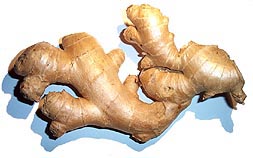
Ginger root

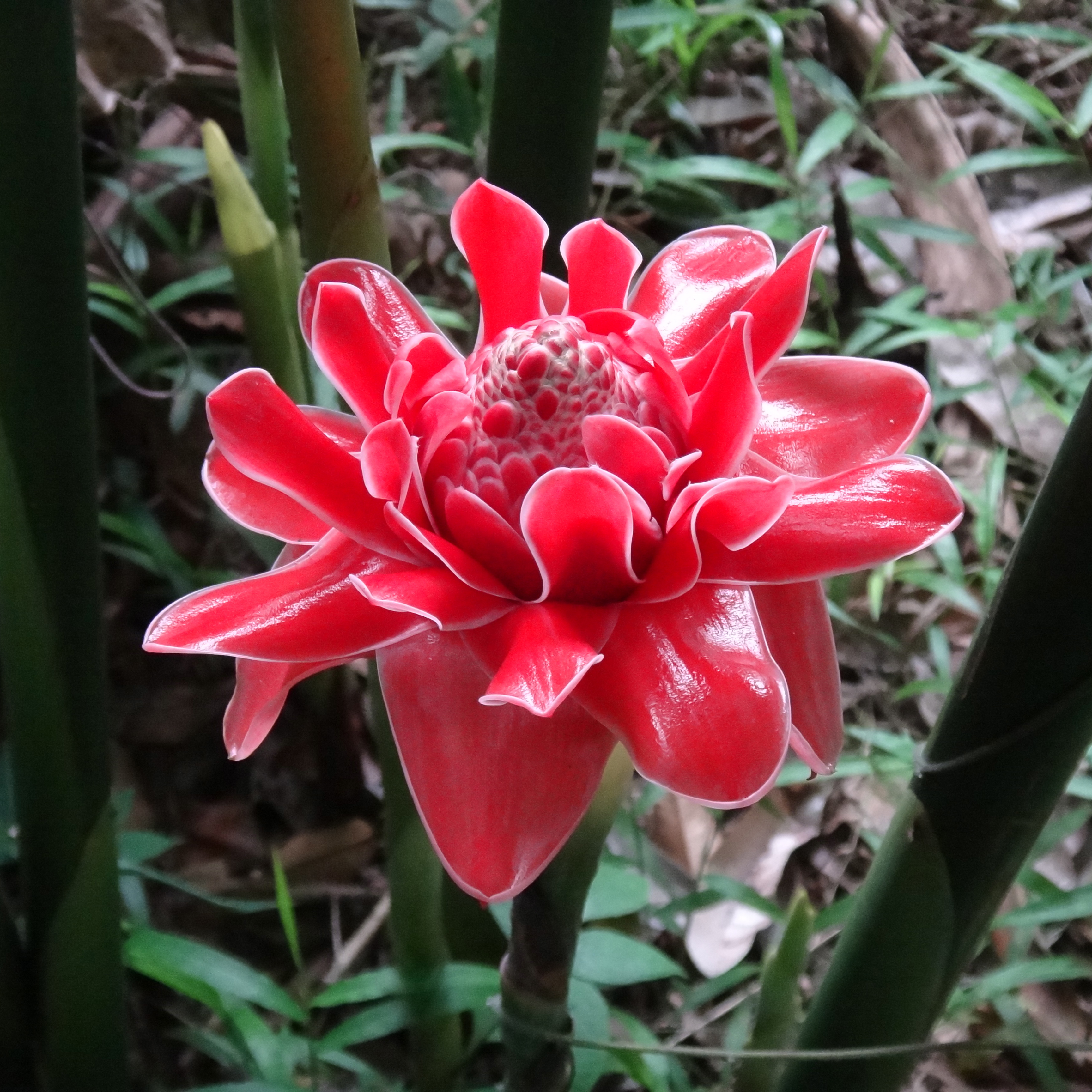
Ginger is the rhisome or root of the ginger plant, known botanically as Zingiber officinale. The plant’s botanical name is thought to be derived from its Sanskrit name singabera which means “horn shaped,” a physical characteristic that ginger reflects. Ginger produces clusters of white and pink flower buds that blossom into pink or yellow flowers and the plants are often used for landscaping around subtropical homes.

Ginger flower

The flesh of the rhizome can be yellow, white or red in color. It is covered with a thin, brownish skin that can be easily removed by using a paring knife or scraping it with a spoon. It adds a spicy, fragrant flavor to food.

History

Ginger is mentioned in ancient Chinese, Indian and Middle Eastern writings, and has long been prized for its aromatic, culinary and medicinal properties. After the ancient Romans imported ginger from China almost two thousand years ago, its popularity in Europe remained centered in the Mediterranean region until the Middle Ages when its use spread throughout other countries.
Beginning in 1585, Jamaican ginger was the first oriental spice to be grown in the New World.

Although it is native to Southeast Asia, ginger is grown commercially today in Jamaica, India, Fiji, Indonesia and Australia.

Health Benefits

Ginger has historically been shown to alleviate gastrointestinal distress, particularly motion sickness, especially dizziness, nausea, vomiting and cold sweating. In the April 2005 issue of the journal, Obstetrics and Gynecology, it is reported that eating ginger is also a safe, effective treatment for relieving the severity of nausea and vomiting during pregnancy.

Ginger also has anti-inflammatory compounds called gingerols. This explains why people with osteoarthritis or rheumatoid arthritis experience reductions in their pain levels and improvements in their mobility when they consume ginger regularly.

Research studies also suggest that gingerols may also inhibit the growth of human colorectal cancer cells and may kill cancer cells in ovarian cancer. It is also used to treat heartworm in dogs!

Culinary Uses

Although ginger powder is available in the spice aisle of the grocery store, it is best to purchase fresh ginger root in the produce section as it has higher levels of gingerol. Ginger is also available in several other forms including crystallized, candied and pickled ginger (served as a condiment with sushi). Fresh ginger can be stored unpeeled in the refrigerator for up to three weeks or peeled and grated in the freezer for up to six months.

Ginger is used in cuisine all over the world. In Western cooking, ginger is traditionally used in sweet foods such as ginger ale, gingerbread, and ginger snap cookies. In India and Pakistan, fresh ginger is one of the main spices used for making pulse and lentil (dried legumes) curries and other vegetables. Fresh, as well as dried, ginger is used to spice tea and coffee, especially in winter.

In Bangladesh, ginger is finely chopped or ground into a paste to use as a base for chicken and meat dishes with onion and garlic. In China, sliced or whole ginger root is often paired with savory dishes such as fish, and chopped ginger root is commonly paired with meat and candied ginger is eaten as a sweet. Ginger beer, a nonalcoholic carbonated beverage is also popular in Jamaica and the U.S.

Ginger Beer

To add a little spice to your recipes, try adding ginger to maple syrup to make a glaze for meats and vegetables. Infuse it into milk and cream to make a tangy custard or ice cream. You can even add it to tomato sauces! The sweetness of the tomatoes is a nice counterpoint to the sharp, spicy notes of the ginger. Also try adding chopped, crystallized ginger to cookies or muffins for an extra treat.


Resources

http://www.eatingwell.com
http://www.greenmedinfo.com
http://www.herbwisdom.com
http://www.wikipedia.org
http://www.whfoods.com

About

Marcia's head

As the former wife of a retired U.S. Navy Admiral, Marcia Steidle has traveled extensively throughout the world, sampling local cuisine and entertaining at cocktail parties for 250 and dinners for up to 40. She has taken cooking and wine appreciation classes in Berkeley, California and in Florence, Italy and has worked in the tasting room at a Virginia winery. She placed as one of 10 finalists in Maggiano’s Little Italy Restaurant in McLean, Virginia’s Best Italian Cook contest. Marcia graduated from the University of Maryland, University College, in 1987 with a Bachelor of Science degree in Behavioral Sciences and a minor in Journalism. She worked as a Realtor for nearly 20 years before decided to make a career change. She is culinary arts graduate from the Hospitality, Culinary Arts & Tourism Institute at Anne Arundel Community College. In summer 2007 she was one of only five students who participated in a culinary arts internship program on the Amalfi Coast in Italy. Her blog, http://www.theadmiralschef.com chronicles her adventure. She is also in the process of writing a cookbook, The Admiral’s Chef: Recipes from a Navy Wife’s World Travels.

Marcia has three children: Gretchen Steidle Wallace (www.globalgrassroots.org); Brian Steidle, former Capt, USMC (author of book & subject of documentary “The Devil Came on Horseback”), and LCdr. Eric Steidle, USN Reserves.

Sesame Tofu with Spicy Orange Sauce

Ingredients:

1 small minced onion
3 cloves minced garlic
1 (1/4-inch) piece peeled fresh ginger
6 ounces lemon juice
6 ounces olive oil
3 ounces soy sauce
3 ounces dark rum
2 tablespoons sugar
2 tablespoon salt
5 thick slices of tofu
1 cup toasted sesame seeds
2 cups all-purpose flour

Spicy Orange Sauce:
1 cup orange marmalade
1/2 cup balsamic vinaigrette salad dressing
1 tablespoons soy sauce
1 teaspoon red pepper flakes
2 tablespoons diced crystallized ginger

Directions:
Combine all ingredients except tofu, flour and sesame seeds in a large bowl and mix well. Place slices of tofu in the bowl with the marinade and put in the refrigerator overnight. Turn slices of tofu occasionally so all sides are marinated.

To make orange sauce: Put all ingredients in a saucepan, and heat until the marmalade melts. Whisk until smooth, and serve at room temperature.

To prepare tofu: Combine sesame seeds with the flour. Dredge marinated tofu in the flour-sesame mixture. In a skillet, heat enough canola oil to lightly coat the bottom of the skillet until hot, but not smoking. Cook tofu on both sides until golden brown. Transfer to a baking sheet and keep warm in a 300 degree oven until ready to serve. To serve, drizzle with Orange Sauce.