Category Archives: Food

Week 14: Flatbread

Flatbread generally refers to any type of unleavened bread and examples of different types of flatbread are found throughout the world. It is the most ancient type of bread.

Some of the more familiar flatbreads include:


Focaccia (Italy) – a square-shaped oven-baked Italian bread often seasoned with olive oil and salt, and sometimes herbs, and topped with onion, cheese and meat, or flavored with a number of vegetables. Focaccia dough is similar in style and texture to pizza dough, and is made from high-gluten flour, oil, water, salt and yeast. It is typically rolled out or pressed by hand into a thick layer of dough and then baked on a stone or in an oven. Bakers often puncture the bread with a knife to relieve bubbling on the surface of the bread. Also common is the practice of dotting the bread. This creates multiple wells in the bread by using a finger or the handle of a utensil to poke the unbaked dough.

Injera

Injera (Ethiopia) – is a yeast-risen flatbread with a unique, slightly spongy texture. Traditionally made out of teff flour. Teff is an annual grass, a species of lovegrass, native to the Ethiopian Highlands with a small grain.

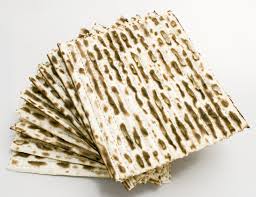
matso

Matso (Israel) – an unleavened bread traditionally eaten by Jews during the week-long Passover holiday. There are numerous explanations behind the symbolism of matzo. One is historical: Passover is a commemoration of the exodus from Egypt. The biblical narrative relates that the Israelites left Egypt in such haste they could not wait for their bread dough to rise; the bread, when baked, was matzo. The other reason for eating matzo is symbolic as it symbolizes redemption and freedom, but it is also known as “poor man’s bread”. Thus it serves as a reminder to be humble, and to not forget what life was like in servitude. It is customary to eat matzo made of flour and water;  matzo eggs, wine, or fruit juice in addition to water is not considered acceptable for use. The flour can be made from the five grains mentioned in the Torah: wheat, barley, spelt, rye and oats.

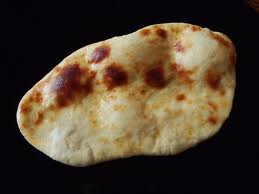
naan

Naan (India) – a leavened, oven-baked flatbread made of wheat flour. Generally, it resembles pita and is usually leavened with yeast.  Modern recipes sometimes substitute baking powder for the yeast. Milk, which yields a softer dough or yogurt may also be used to impart distinct tastes to the naan. Typically, it is served hot and brushed with ghee (clarified butter) or it can be used to scoop up other foods, or served stuffed with a filling.

pita

Pita (Greece) – a slightly leavened wheat bread, flat, either round or oval, and variable in size. Pita is used to scoop sauces or dips such as hummus, and to wrap kebabs, gyros or falafel like sandwiches. Most pita are baked at high temperatures (450 °F), causing the flattened rounds of dough to puff up dramatically. When removed from the oven, the layers of baked dough remain separated inside the deflated pita, which allows the bread to be opened into pockets, creating a space for use in various dishes.

Tortillas

Tortillas (Mexico, Latin America) – a type of thin flatbread made from finely ground corn or wheat flour. The word tortilla in Spanish means “small torta”, or “small cake” and was originally a bread of maize which predated the arrival of Europeans to the Americas. Wheat flour tortillas were created after wheat was brought to the New World from Spain. Tortillas have been a staple for thousands of years in north, northwest and northeast Mexico as well as in many southwestern US Native American tribes. Tortillas are commonly prepared with meat to make dishes such as tacos, burritos and enchiladas.

Resources

Wikipedia

Wikimedia


Week 13: Grains

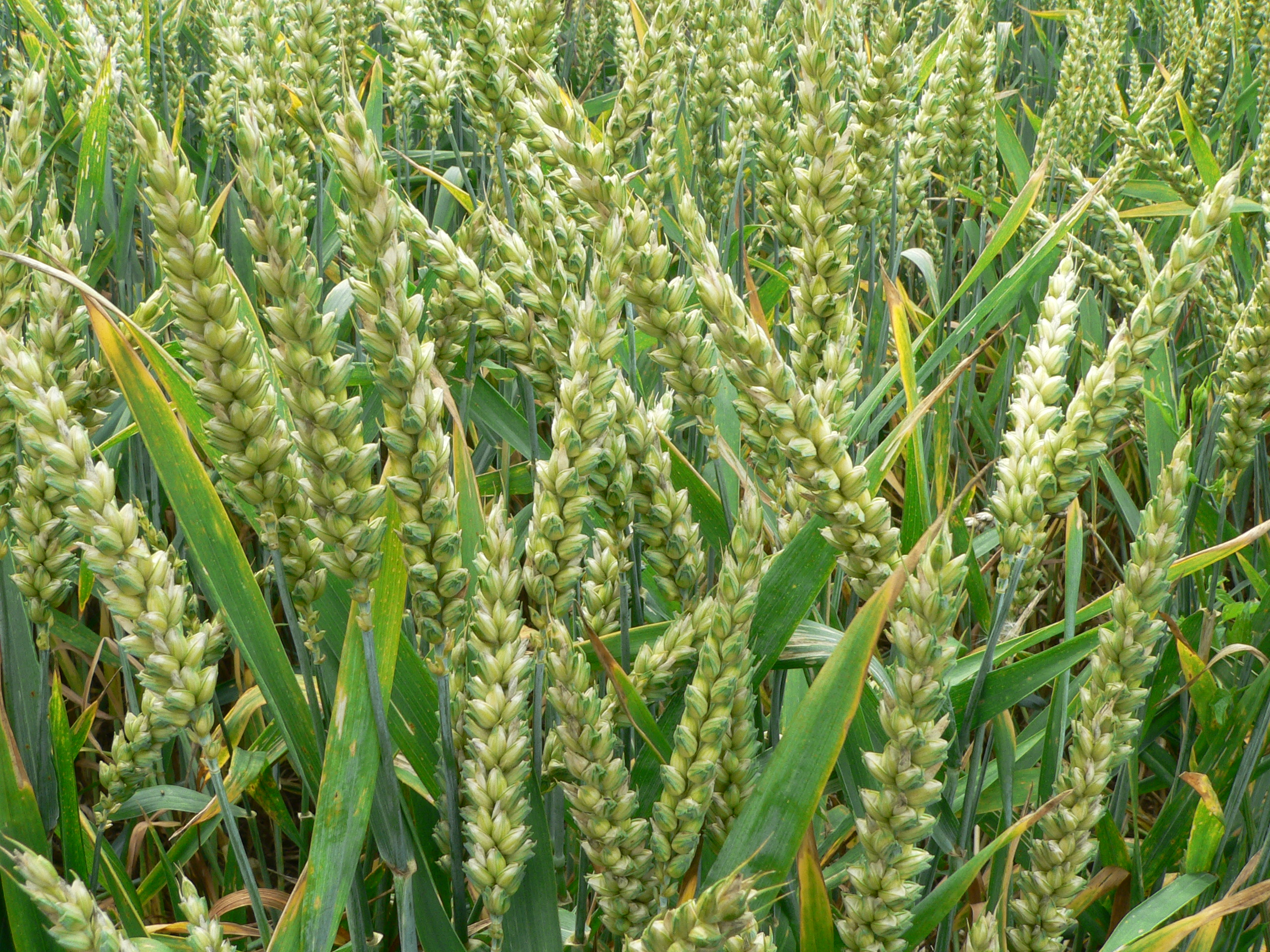
Wheat

Grains are grasses which are cultivated for their edible endosperm, germ and bran.  The bran is the multi-layered outer skin of the edible kernel. The germ is the embryo which has the potential to sprout into a new plant. The endosperm, the largest part of the kernel, is the germ’s food supply, which provides essential energy to the young plant so it can send roots down for water and nutrients, and send sprouts up for sunlight’s photosynthesizing power

Cereal grains are a rich source of vitamins, minerals, carbohydrates, fats, oils and proteins. They are grown in greater quantities and provide more food energy than any other crop worldwide. They include wheat, rice, oats, barley, quinoa, spelt, corn, bulgur, millet, rye, amaranth, buckwheat and sorghum.

The word cereal comes from the Roman ceres, the name of the Roman goddess of agriculture and harvest.  The first cereal grains, primarily wheat and barley, were cultivated around 12,000 years ago by ancient farming communities in the Fertile Crescent.

Cultivation

Most cereal crops are annuals, consequently one planting yields one harvest. Wheat, rye, oats, barley, and spelt are the “cool-season” cereals. These are hardy plants that grow well in moderate weather and cease to grow in hot weather (approximately 30 °C but this varies by species and variety). The warm-season cereals are grown in tropical lowlands year-round and in temperate climates during the frost-free season. Rice is commonly grown in flooded fields. Barley and rye are the hardiest cereals, able to overwinter in the subarctic region and in Siberia.

Once the cereal plants have produced their seeds, they have completed their life cycle. The plants die and become brown and dry. As soon as the parent plants and their seed kernels are reasonably dry, harvesting occurs, often by hand in developing countries.

Health Benefits

Whole grains contain valuable antioxidants not found in fruits and vegetables, as well as B vitamins, vitamin E, magnesium, iron and fiber. Whole grains reduce risks of heart disease, stroke, cancer, diabetes and obesity. Few foods can offer such diverse benefits.

People who eat whole grains regularly have a lower risk of obesity, as measured by their body mass index and waist-to-hip ratios. They also have lower cholesterol levels.

Culinary Uses

Whole grains are found in cereals, breads or constitute the starch portion of a well-balanced meal.  You can also increase your consumption of whole grains by making certain substitutions in your recipes.

  • Substitute half the white flour with whole-wheat flour in your regular recipes for cookies, muffins, quick breads and pancakes.
  • Replace one third of the flour in a recipe with quick oats or old-fashioned oats.
  • Add half a cup of cooked bulgur, wild rice, or barley to bread stuffing.
  • Add half a cup of cooked wheat or rye berries, wild rice, brown rice, sorghum or barley to your favorite canned or homemade soup.
  • Add three-quarters of a cup of uncooked oats for each pound of ground beef or turkey when you make meatballs, burgers or meatloaf.

Wheat

Wheat is the primary cereal of temperate regions. It has a worldwide consumption but it is a staple food of South Asia, North America, Europe, Australia and New Zealand. It dominates the grains we eat because it contains large amounts of gluten, a stretchy protein that enables bakers to create satisfying risen breads.

Rice

White rice is refined, with the germ and bran removed. Whole-grain rice is usually brown but, it can also be black, purple, red or any of a variety of exotic hues. Around the world, rice thrives in warm, humid climates and is the primary cereal of tropical regions such as the Philippines, Thailand, Korea, Japan, China, India and Brazil. Most all of the U.S. rice crop is grown in Arkansas, California, Louisiana, Mississippi, Missouri and Texas.

Converted rice is parboiled (partially cooked) before refining, a process which drives some of the B vitamins into the endosperm so that they are not lost when the bran is removed. As a result, converted rice is healthier than regular white rice, but still is lacking many nutrients found in brown rice. Brown rice is lower in fiber than most other whole grains, but rich in many nutrients.

Oats

Oats have a sweet flavor that makes them a favorite for breakfast cereals. Unique among grains, oats rarely have their bran and germ removed in processing.

In the U.S., most oats are steamed and flattened to produce “old-fashioned” or regular oats, quick oats, and instant oats. The more oats are flattened and steamed, the quicker they cook – and the softer they become. If you prefer a chewier, nuttier texture, consider steel-cut oats, also sometimes called Irish or Scottish oats. Steel-cut oats consist of the entire oat kernel (similar in look to a grain of rice), sliced once or twice into smaller pieces to help water penetrate and cook the grain.

Barley

Barley is one of the oldest cultivated grains. Egyptians buried mummies with necklaces of barley, and centuries later In 1324 Edward II of England standardized the inch as equal to “three grains of barley, dry and round, placed end to end lengthwise.”  It is a highly-adaptable crop, growing north of the Arctic circle and as far south as Ethiopia.

Barley has a particularly tough hull, which is difficult to remove without losing some of the bran. Hulled barley, available at health food stores, retains more of the whole-grain nutrients but is very slow-cooking. Barley is also used for making malt beverages.

Quinoa

Quinoa (keen-wah) comes to us from the Andes, where it has long been cultivated by the Inca. Botanically a relative of Swiss chard and beets rather than a “true” grain, quinoa cooks in about 10-12 minutes, creating a light, fluffy side dish. It can also be incorporated into soups, salads and baked goods. Though much of our quinoa is still imported from South America, farmers in high-altitude areas near the Rockies are also beginning to cultivate quinoa.

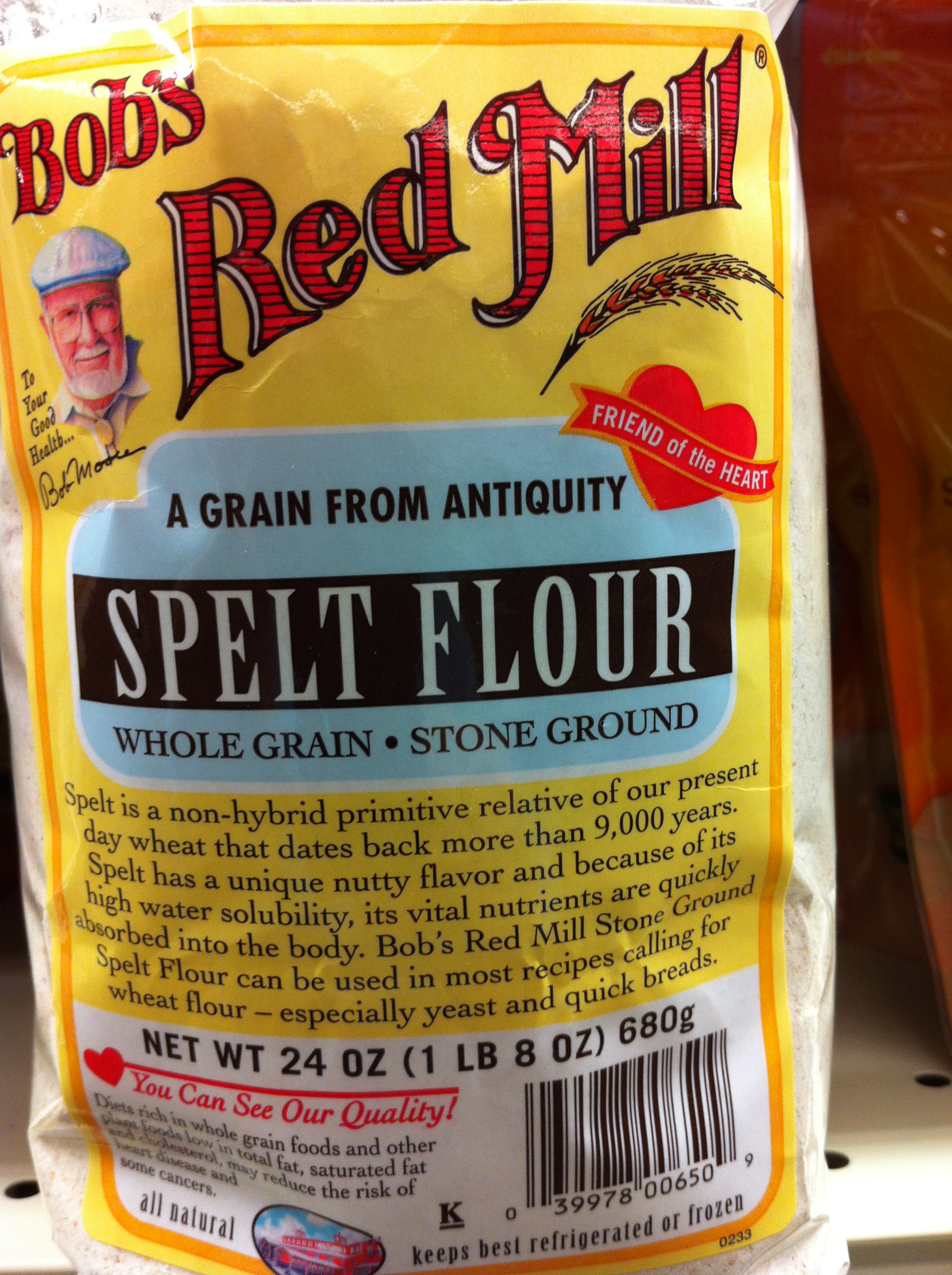
Spelt

IMG_1073

Spelt is a variety of wheat widely cultivated until the spread of fertilizers and mechanized harvesting left it by the wayside in favor of wheat which is more compatible with industrialization. Spelt flour can be used in place of common wheat in most recipes and is readily available in grocery stores.

Corn (Maize)

A staple food for both people and livestock worldwide, corn is cultivated in America, Australia, New Zealand, and Japan. A large portion of maize crops are grown for purposes other than human consumption. There used to be 307 different varieties of corn, but heirloom varieties are no longer available due to hybridization by big growers.  Currently, there are only 12 varieties grown worldwide.
Most of the corn grown in the U.S. is used to feed cattle and to make sweeteners. We eat corn as fresh corn on the cob, popcorn, polenta, tortillas and corn muffins. Traditional Latin cultures learned how to treat corn with alkali, creating masa harina. This treatment liberates the niacin in corn, so those who depend on it for sustenance will avoid pellagra. Eating corn with beans creates a complementary mix of amino acids that raises the protein value to humans.

Millet

Millet is rarely served to humans in the United States – here, it’s the grain most often found in bird feeders. Yet it’s the leading staple grain in India, and is commonly eaten in China, South America, Russia and the Himalayas.

Millet has a mild flavor and is often mixed with other grains or toasted before cooking, to bring out the full extent of its delicate flavor. Its tiny grain can be white, gray, yellow or red.

Rye

Rye grows well in cold climates. For this reason it is a traditional part of cuisine in Northern Europe and Russia. Rye was also widely grown in colonial America; some historians believe a fungus, rye ergot, triggered hallucinations leading to the Salem witch trials.

Recently the Finnish bakery group Fazer started a three-year program to publicize the health benefits of rye products, in a major push to increase rye consumption. Rye is unusual among grains for the high level of fiber in its endosperm – not just in its bran. Because of this, rye products generally have a lower glycemic index than products made from wheat and most other grains, making them especially healthy for diabetics. Rye is used in breads and often is distilled.

Amaranth

IMG_1076

Amaranth was a staple of Aztec culture, until Cortez, in an effort to destroy that civilization, decreed that anyone growing the crop would be put to death. Seeds were smuggled out to Asia, where local dialects referred to Amaranth as “king seed” and “seed sent by God” as a tribute to its taste and sustenance. Amaranth kernels are tiny; when cooked they resemble brown caviar. Amaranth is a “pseudo-grain” – like quinoa and buckwheat.

Amaranth has a lively, peppery taste and a higher level of protein (it’s roughly 13-14% protein) compared to most other grains. In South America, it is often sold on the streets, popped like corn. Amaranth has no gluten, so it must be mixed with wheat to make leavened breads. It is popular in cereals, breads, muffins, crackers and pancakes.

Buckwheat

Besides being used for pancakes and breakfast cereal, Buckwheat is used to make Japan’s soba noodles, Brittany’s crêpes and Russia’s kasha are all made with buckwheat. Botanically, buckwheat is a cousin of rhubarb, not technically a grain at all – and certainly not a kind of wheat. But its nutrients, nutty flavor and appearance have led to its ready adoption into the family of grains. Buckwheat tolerates poor soil, grows well on rocky hillsides and thrives without chemical pesticides.

Bulghur

When wheat kernels are boiled, dried, cracked, then sorted by size, the result is bulgur. This wheat product is sometimes referred to as “Middle Eastern pasta” for its versatility as a base for all sorts of dishes. Bulgur is most often made from durum wheat, but in fact almost any wheat, hard or soft, red or white, can be made into bulgur.

Because bulgur has been precooked and dried, it needs to be boiled for only about 10 minutes to be ready to eat – about the same time as dry pasta. This makes bulgur an extremely nutritious fast food for quick side dishes, pilafs or salads. Perhaps bulgur’s best-known traditional use is in the minty grain and vegetable salad known as tabbouleh.

Sorghum

Sorghum is an important staple food in Asia and Africa and popular worldwide for livestock.

Farmers on the Great Plains from South Dakota to Texas appreciate that sorghum thrives where other crops would wither and die; in drought periods, in fact, it becomes partially dormant. Worldwide, about 50% of sorghum goes to human consumption, but in the U.S., most of the crop is fed to animals, made into wallboard or used for biodegradable packing materials.

Sorghum is believed to have originated in Africa, can be eaten like popcorn, cooked into porridge, ground into flour for baked goods, made into molasses or even brewed into beer.

Resources

http://www.choosemyplate.gov

http://www.wholegrainscouncil.org

Wikipedia

Week 12: Olive Oil

olive oil

Olives have been enjoyed in the Mediterranean for thousands of years and are thought to have originally come to Italy from Greece. Italy now produces nearly one-third of the world’s olive oil.  Benefits of consuming olive oil include reducing cholesterol, improving the functioning of the cardiovascular system and, because of its phenols, protecting the heart. Olives are also high in Vitamin E and have anti-oxidant and anti-inflammatory properties.

Olive oil varies like wine.  Its character is determined by the type of tree, the soil on which it grows, the position (on hill, plain or coast), the weather, when and how the olives are harvested and how quickly they are pressed and by what means.   Highly prized extra virgin olive oil, which tends to be more expensive, comes from hand-picking and under ripe olives It is dark green oil with a fruity aroma and full flavor.  More mature olives produce oil of a lighter color.  Great nets are sewn together and held up with stakes to catch falling olives. If the olives get bruised, they spoil quickly.

Traditionally, olive oil was made by crushing the olives and pits to form a paste and then placing the paste in sacceti (flat cloth bags) and squeezing it in a press to extract the oil.  There are still a few regions where stone crushing and mat pressing is still used, but most commercial olive oil production uses a centrifuge to spin the heavier flesh and pits to the side and to tap off the water and oil from the center.  The oil and water is put into tanks where they separate by gravity.

Cold-pressing produces a higher quality of olive oil which is naturally lower in acidity. When purchasing olive oil, it’s important to check labels for the percentage of acidity, grade of oil, volume, and country of origin. The level of acidity is a key factor in choosing fine olive oil, along with color, flavor, and aroma. These oils are best within a year of the harvest, since flavor slowly fades.

The production of olive oil in Italy is governed by standards established by the International Olive Oil Council. By law, olio extra vergine di oliva must come from the first pressing of olives by mechanical (not chemical) means and must contain less than 1 percent of oleic acid (the key measure: the lower the acidity the better). Olio vergine di oliva may have a maximum of 2 percent acidity; what is called simply olio di oliva may be rectified and de-acidified.

In the Campania region of Italy, the production zone includes 82 town districts from the AmalfiCoast to Cilento.  Olive oil from the Cilento and Sorrentine peninsulas as well as those from the hills of Salerno, east of Amalfi, carry the prized label Denominazione d’Origine Protetta (Protected Denomination of Origin or DOP)  This is a regulated and controlled qualification that verifies the characteristics and authenticity of the product. Another classification is Indicazione Geografica Protetta (Protected Geographical Indication or IGP) which denotes that the product comes from a specific geographical area but does not dictate how it is made. Some of the varieties of olives grown in the Campania region are Minucciola, Rotondella, Carpellese, Frantonio and Leccino.

Olive oil tastings are often available where oil is made at a tasting bar where little plastic cups and cubes of bread are supplied. Appreciating a good olive oil starts with looking at color and consistency. Then warm the cup of oil between your palms and breathe in its aroma. Next, quickly suck the oil over your palette with a lot of air, so it evenly coats your mouth and doesn’t settle on your tongue. This is easier to explain than to execute.  Terms describing the characteristic aroma and taste of olive oil include buttery, nutty and peppery (desirable) to burnt, metallic and moldy (undesirable).


Week 11: Ginger

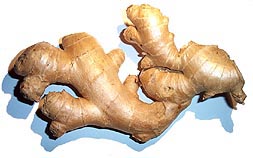
Ginger root

Ginger is the rhisome or root of the ginger plant, known botanically as Zingiber officinale. The plant’s botanical name is thought to be derived from its Sanskrit name singabera which means “horn shaped,” a physical characteristic that ginger reflects. Ginger produces clusters of white and pink flower buds that blossom into pink or yellow flowers and the plants are often used for landscaping around subtropical homes.

Ginger flower

The flesh of the rhizome can be yellow, white or red in color. It is covered with a thin, brownish skin that can be easily removed by using a paring knife or scraping it with a spoon. It adds a spicy, fragrant flavor to food.

History

Ginger is mentioned in ancient Chinese, Indian and Middle Eastern writings, and has long been prized for its aromatic, culinary and medicinal properties. After the ancient Romans imported ginger from China almost two thousand years ago, its popularity in Europe remained centered in the Mediterranean region until the Middle Ages when its use spread throughout other countries.
Beginning in 1585, Jamaican ginger was the first oriental spice to be grown in the New World.

Although it is native to Southeast Asia, ginger is grown commercially today in Jamaica, India, Fiji, Indonesia and Australia.

Health Benefits

Ginger has historically been shown to alleviate gastrointestinal distress, particularly motion sickness, especially dizziness, nausea, vomiting and cold sweating. In the April 2005 issue of the journal, Obstetrics and Gynecology, it is reported that eating ginger is also a safe, effective treatment for relieving the severity of nausea and vomiting during pregnancy.

Ginger also has anti-inflammatory compounds called gingerols. This explains why people with osteoarthritis or rheumatoid arthritis experience reductions in their pain levels and improvements in their mobility when they consume ginger regularly.

Research studies also suggest that gingerols may also inhibit the growth of human colorectal cancer cells and may kill cancer cells in ovarian cancer. It is also used to treat heartworm in dogs!

Culinary Uses

Although ginger powder is available in the spice aisle of the grocery store, it is best to purchase fresh ginger root in the produce section as it has higher levels of gingerol. Ginger is also available in several other forms including crystallized, candied and pickled ginger (served as a condiment with sushi). Fresh ginger can be stored unpeeled in the refrigerator for up to three weeks or peeled and grated in the freezer for up to six months.

Ginger is used in cuisine all over the world. In Western cooking, ginger is traditionally used in sweet foods such as ginger ale, gingerbread, and ginger snap cookies. In India and Pakistan, fresh ginger is one of the main spices used for making pulse and lentil (dried legumes) curries and other vegetables. Fresh, as well as dried, ginger is used to spice tea and coffee, especially in winter.

In Bangladesh, ginger is finely chopped or ground into a paste to use as a base for chicken and meat dishes with onion and garlic. In China, sliced or whole ginger root is often paired with savory dishes such as fish, and chopped ginger root is commonly paired with meat and candied ginger is eaten as a sweet. Ginger beer, a nonalcoholic carbonated beverage is also popular in Jamaica and the U.S.

Ginger Beer

To add a little spice to your recipes, try adding ginger to maple syrup to make a glaze for meats and vegetables. Infuse it into milk and cream to make a tangy custard or ice cream. You can even add it to tomato sauces! The sweetness of the tomatoes is a nice counterpoint to the sharp, spicy notes of the ginger. Also try adding chopped, crystallized ginger to cookies or muffins for an extra treat.


Resources

http://www.eatingwell.com
http://www.greenmedinfo.com
http://www.herbwisdom.com
http://www.wikipedia.org
http://www.whfoods.com

Week 10: Soybeans

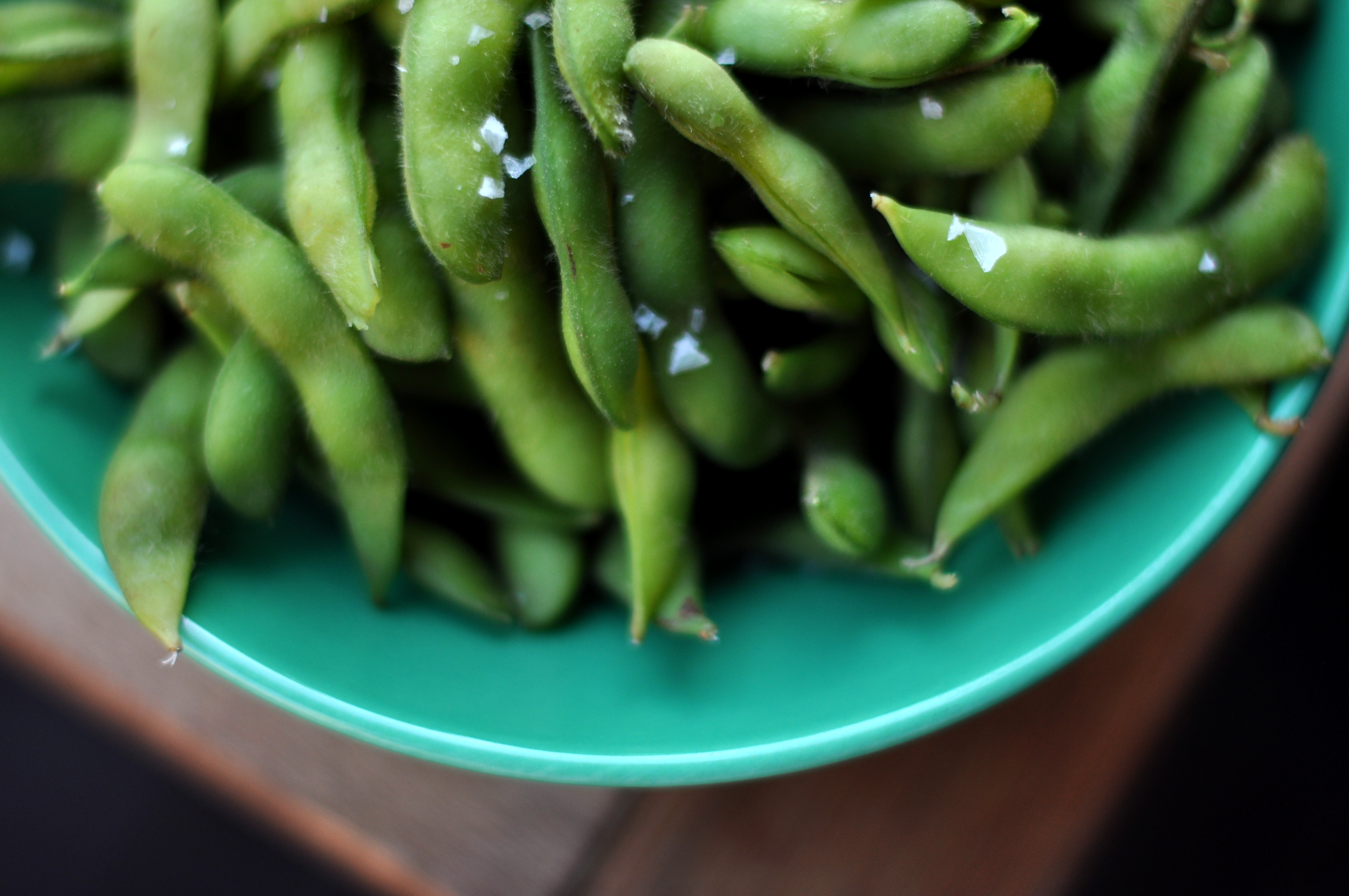
Edamame

The soybean is a legume native to East Asia and grown in many countries throughout the world. Soybeans are considered by many agencies to be a source of complete protein that contains significant amounts of all the essential amino acids that must be provided to the human body because of the body’s inability to synthesize them. For this reason, soy is a good source of protein for vegetarians and vegans or for people who want to reduce the amount of meat they eat. Non-fermented products include edamame, soy milk, soy yogurt. Fermented products include soy sauce, tempeh and tofu.

History
Soybeans have been grown for centuries as a food product, particularly in Asian countries and were originally used in the U.S. as a fertilizer and for crop rotation due to their ability to “fix” nitrogen in the soil. According to an ancient Chinese myth, in 2853 BCE, the legendary Emperor Shennong of China proclaimed that five plants were sacred: soybeans, rice, wheat, barley, and millet. Soy was first introduced to Europe in the early 18th century and to British colonies in North America in 1765, where it was first grown for hay. Benjamin Franklin wrote a letter in 1770 mentioning sending soybeans home from England. Soybeans did not become an important crop outside of Asia until around 1910. In America, soy was considered an industrial product only, and was not used as a food prior to the 1920s.

In 1932–33, the Ford Motor Company spent approximately $1,250,000 on soybean research. By 1935, soybean oil was used to paint Ford automobiles, and was used as fluid for shock absorbers. Henry Ford promoted the soybean, helping to develop uses for it both in food and in industrial products, such as body panels made of soy-based plastics, as well as products like soy milk, ice cream and all-vegetable nondairy whipped topping.

Cultivation
Soybeans can grow in any kind of soil and do best in a climate with hot summers. The height of the plant varies from less than 0.2 to 2.0 m (0.66 to 6.6 ft).The pods, stems, and leaves are covered with fine brown or gray hairs. The fruit is a hairy pod that grows in clusters of three to five, each pod is 3–8 cm long (1–3 in) and usually contains two to four (rarely more) seeds. Raw soybeans, including the immature green form, are toxic to humans, swine, and chickens, thus they must be cooked before they are consumed. The U.S., Argentina, Brazil, China and India are the world’s largest soybean producers and represent more than 90% of global soybean production.

Health Benefits
Consumption of soy may reduce the risk of colon cancer, possibly due to the presence of certain lipids, or fats. Eating soy products is associated with a reduction in prostate cancer risk in men, breast cancer among women and may reduce the risk of colorectal cancer. Recent studies have shown improvement in cognitive function, particularly verbal memory, and in frontal lobe function with the use of soy supplements. The FDA has also approved soy as a cholesterol-lowering food product.

Soybean Products
Soybeans can be processed and consumed in a number of ways. Soybean pods, also known as edamame, can be steamed and eaten lightly salted. Soy Milk is also a substitute for cows milk for lactose-intolerant individuals, although it does not naturally contain significant amounts of digestible calcium. Soy milk can be made into yogurt, ice cream, cheese and margarine. Soy infant formula is often given to babies that cannot process pasteurized milk. Tempeh or fermented cakes can be crumbled and substitute for chicken and ground beef in various recipes. Miso, a Japanese cooking staple, is a thick paste used for sauces and spreads, pickling vegetables or meats, and mixing with dashi soup stock to serve as miso soup.

Tofu, first introduced by the Chinese, is also called bean curd and is made by coagulating soy milk and then pressing the resulting curds into soft white blocks. It is used in many Asian cuisines. Tofu has a subtle flavor and can be used in savory and sweet dishes. It is often seasoned or marinated to suit the dish. Soy Sauce is a condiment made from a fermented paste of boiled soybeans, roasted grain, brine, and a mold called aspergillus. Most varieties of soy sauce are salty, earthy, brownish liquids intended to season food.

Industrial uses for soybeans include animal and fish feed, oils, soap, cosmetics, resins, plastics, inks, crayons, solvents, and clothing. Soybean oil is the primary source of biodiesel in the United States, accounting for 80% of domestic biodiesel production. The soybean is now the prime source of steroidal drugs, including contraceptives and steroidal anti-inflammatory drugs like progesterone and cortisone.

As soybeans are a sustainable, renewable source of protein and oil, the National Soybean Research Laboratory and United Soybean Board report that researchers are continuing to develop new uses for soybean-based products for worldwide use.

Resources
http://www.agri-news-pubs.com
http://www.cancer.org
http://www.naturalfoods.com
http://www.soynewuses.org
http://www.wikipedia.org
http://www.worldsoyfoundation.org

Vegetarian Retreat Menu – Part 2

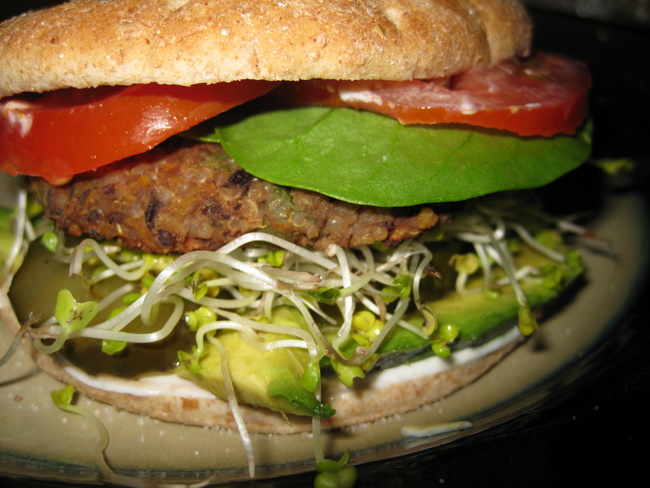
Black Bean Burger

Here are the remaining menus for the retreat. The participants took a break and went to a local farmer’s market for dinner on Day 7 – besides various prepared foods, the market featured live music, organic meats, cheeses, baked goods, jewelry and knitted items for sale. The recipe for the Black Bean Burgers is at the end. Enjoy!

Day 7Lunch
Quinoa Salad
Apples

Dinner
Farmer’s Market

Day 8Lunch
Black Bean Burgers with Avocado & Alfalfa Sprouts
Blue Corn Chips
Oranges

Dinner
Veggie Pizza
Chocolate Chip Cookie Ice Cream Sandwiches

Day 9
Lunch
Veggie wraps (humus, red onion, tomatoes, carrots. cucumber)
Oranges

Dinner
Ginger & garlic linguine with scallions & water chestnuts
Sesame grilled tofu
Steamed Broccoli
Apple Crisp

Day 10
Lunch
Cheese Quesadillas
Black Bean Soup

Dinner
Tempeh Coconut Curry
Brown & Wild Rice
Sesame Green Beans
Ginger Ice Cream

Day 11
Lunch
Curried Pumpkin Soup
Egg Salad Sandwiches

Spicy Black Bean Burger with Avocado, Alfalfa Sprouts
And Chipotle Mayonnaise

Ingredients:

Black Bean Burgers
2 15-oz cans black beans, drained well
6 green onions, finely chopped
½ c. finely chopped seeded red bell pepper
¼ c. chopped fresh cilantro
2 large garlic cloves, minced
1 ½ T. minced seeded jalapeno chili
2 t. ground cumin
1 large egg
2 T. plus 1 c. yellow cornmeal
6 T. olive oil
6 whole wheat hamburger buns
2 large avocadoes, sliced
Alfalfa sprouts

Chipotle Mayonnaise
3/4 cup mayonnaise
1 tablespoon chipotle chilies, finely chopped
1 tablespoon fresh cilantro, chopped
1 1/2 teaspoons fresh lime juice

Directions:

Place drained beans in a large bowl. Using hand masher, mash beans coarsely. Mix in green onions, bell pepper, cilantro, garlic, jalapeno and cumin. Season to taste with salt and pepper. Mix in egg and 2 T. cornmeal. Place remaining 1 c. cornmeal in small dish. Shape bean mixture into 6 flattened patties. Turn to coat in cornmeal. Heat 3 T. oil in heavy large skillet over medium heat. Fry bean burgers until firm and crisp, adding more oil as needed, about 6-8 minutes on each side. Drain on paper towels. Transfer to whole wheat buns and garnish with avocado slices and alfalfa sprouts. Chipotle mayonnaise: Mix the mayonnaise, chipotles, cilantro, and lime juice until well blended. Refrigerate and allow flavors to blend before using. Serve 1/8 c. on the side. Makes 6 burgers.

Week 9: Balsamic Vinegar

Balsamic vinegar

Balsamic vinegar originated in Italy and was first mentioned during the middle ages in a document dated 1046 A.D. It’s name comes from the word “balsimico” which means “balsam-like” and refers to a restorative or curative potion. Balsamic vinegar is made from a reduction of trebbiano grape juice. The resulting thick syrup is subsequently aged for a minimum of 12 years in a battery of seven barrels of successively smaller sizes. The casks are made of different woods like chestnut, acacia, cherry, oak, mulberry, ash, and juniper. True balsamic vinegar is rich, glossy, deep brown in color and has a complex flavor that balances the natural sweet and sour elements of the cooked grape juice with hints of wood from the casks.

There are three types of balsamic vinegar:
1. Authentic traditional artisan balsamic vinegar, the only kind that may legally be described as Aceto Balsamico Tradizionale in the EU.
2. Commercial grade balsamic vinegars produced on an industrial scale.
3. Condimento grade products, which are often a mix of the two above.
The names “Aceto Balsamico Tradizionale di Modena” (Traditional Balsamic Vinegar of Modena) and “Aceto Balsamico Tradizionale di Reggio Emilia” (Traditional Balsamic Vinegar of Reggio Emilia) are protected by both the Italian Denominazione di Origine Protetta and the European Union’s Protected Designation of Origin.

Modena (Aceto Balsamico Tradizionale di Modena) designates the different ages of their balsamic vinegar by the color of the cap on the bottle. A cream-colored cap means the vinegar has aged for at least 12 years and a magenta cap bearing the designation extravecchio (extra old) shows the vinegar has aged for 25 years or more. It comes in a bottle with a bulb at the bottom and a long neck.

Reggio Emilia uses a system of different label colors to indicate the age of its balsamic vinegars (Aceto Balsamico Tradizionale di Reggio Emilia). A red label means the vinegar has been aged for at least 12 years, a silver label that the vinegar has aged for at least 18 years and a gold label that designates the vinegar has aged for 25 years or more. It comes in a bottle with an inverted tulip shape.

While not an authentic balsamic vinegar, white balsamic vinegar has become recently widely available. It is a light colored vinegar that is used in place of regular balsamic when discoloration is undesirable. White balsamic is made from combining white wine vinegar with white grape must, and then cooked slowly. It is not generally aged.

Balsamic vinegar is the best-selling vinegar in the U.S., accounting for over 45% of all vinegar sales. Prices can range from $2-$3 a bottle to over $200, based on the quality. It can be stored indefinitely in a cool, dark place.

Nutritional Information
One tablespoon of balsamic vinegar has 14 calories, 2.7 g of carbohydrates (from sugar), and 0.1 g of protein. It is low in sodium and does not contain any fats.

Health Benefits
In ancient times balsamic vinegar was said to be a miracle cure and was used to treat everything from a mild headache to labor pains. It’s antibacterial and antiviral properties make it ideal for disinfecting wounds and infections. Balsamic vinegar can be used on nail infections and even acne! It is high in antioxidants that protect the body from heart disease and cancer. It also suppresses the body’s appetite and increase the amount of time it takes for the stomach to empty, which can contribute to weight loss by preventing overeating. Balsamic vinegar also improves insulin sensitivity which promotes blood sugar regulation.

Culinary Uses
Balsamic vinegar is used in salad dressings and in dips and marinades. In Italy it is also served on slices of parmesan cheese and mortadella (a cured meat like bologna) as an antipasto. It is also used sparingly to enhance steaks, eggs or grilled fish, as well as on fresh fruit such as strawberries and pears and even on vanilla gelato!

Resources

Wikipedia.
http://www.balsamicnectar.com
http://www.cooksillustrated.com
http://www.livestrong.com
http://www.nutritiondata.self.com

Vegeterian Retreat Menu

Blueberry Tart

I have been hired as the chef for a ten-day Conscious Social Change Retreat near Hanover, NH. The weather has been glorious – intense blue skies with soft summer breezes and most of the meals have been served outside overlooking the pond. The menu is vegetarian, and luckily I have not been challenged by any dietary restrictions. (During a previous retreat, I had one woman who did not eat soy or garlic, one who was gluten intolerant & one who was vegan! Creating a menu that met everyone’s needs was interesting.) Here is what I have served the first few days of this retreat:

Day 1
Dinner
Pasta Primavera
Massaged Kale Salad with Sesame Oil
Brownies with Raspberries & Whipped Cream

Day 2Lunch
Veggie Bacon BLTs
Potato Leek Soup
Carrot Sticks
Apples

Dinner
Fried Rice with Peas, Water Chestnuts, Mushrooms & Scallions
Pot Stickers with Ginger Dipping Sauce
Stir Fried Snow Peas, Mushrooms & Carrots
Fortune Cookies

Day 3Lunch
Veggie Patties on Rolls with Lettuce & Tomatoes
Blue Corn Chips
Carrot Sticks
Apples

Dinner
Spinach & Mushroom Quiche
Tossed Salad
Sour Cream Cake with Berries & Whipped Cream

Day 4
Lunch
Grilled Cheese Sandwiches on Multi-Grain Baguettes
Tomato Soup
Oranges

Dinner
Sweet Potato & Black Bean Burritos with Avocado, Tomatoes, Scallions, Cheddar & Sour Cream
Blueberry Lemon Curd Tart

Day 5
Lunch
Curried Tempeh Salad Sandwiches
Pasta Salad
Blue Corn Chips
Carrot Sticks

Dinner
Grilled Vegetables in Pita Pockets with Tzatziki Sauce
Corn in the Cob
Watermelon
Veggies on the grill

Day 6Lunch
Vegetarian Chili
Jalapeño Corn Bread
Oranges

Dinner
Mushroom Risotto
Green Bean, Mozzarella & Tomato Salad
Frosted Brownies and Sliced Strawberries

My recipe for the Blueberry Lemon Curd Tart:

Crust
1 1/2 c. flour
3 T. sugar
1/2 c. vegetable shortening

Lemon Curd
1/2 c. sugar
1/4 c. lemon juice
4 large egg yolks
5 T. butter, cut into pieces

Blueberry Topping
2 quarts blueberries
1/2 c. sugar
2 T. cornstarch

Directions:
Crust – Blend flour and sugar in bowl. Cut in vegetable shortening until it is crumbly and looks like small peas. Add 7 T. ice water and mix with a fork until it forms a ball. Turn out on floured surface and roll until 1/4 inch thick. Fold in half and fold in half again. Set it gently in a greased tart pan or pie plate and unfold. Crimp the edges. Place a sheet of parchment paper or wax paper in the bottom on the pie shell. Fill with rice or dry beans and bake for 20 minutes at 400 degrees. Remove from oven and discard paper and rice or beans. Prick the bottom of the pie shell with a fork and return to oven for 10 minutes at 400 degrees. Remove from oven.
Lemon Curd- Whisk sugar and lemon juice in a heavy medium saucepan to blend. Whisk in egg yolks and then. Cook over medium heat, stirring constantly, until it begins to thicken (about 8 minutes). Remove from heat and spread on prepared pie shell.
Blueberry Topping – Measure out 1 c. of he blueberries and place in a medium saucepan together with sugar and 1/2 c. water. Bring to boil over medium heat. Meanwhile, in a small bowl, whisk together the cornstarch and 2 T. water. When water and blueberries have come to a boil, lower the heat and simmer, stirring constantly for 3 to 4 minutes or until the blueberries start to burst. Stirring constantly, add the cornstarch mixture and simmer for a minute until the mixture becomes translucent. Immediately remove from heat and add remaining blueberries. Carefully spoon the mixture over the lemon curd in the pie shell. Let cool to room temperature and refrigerate.

Week 8: Edible Seaweed

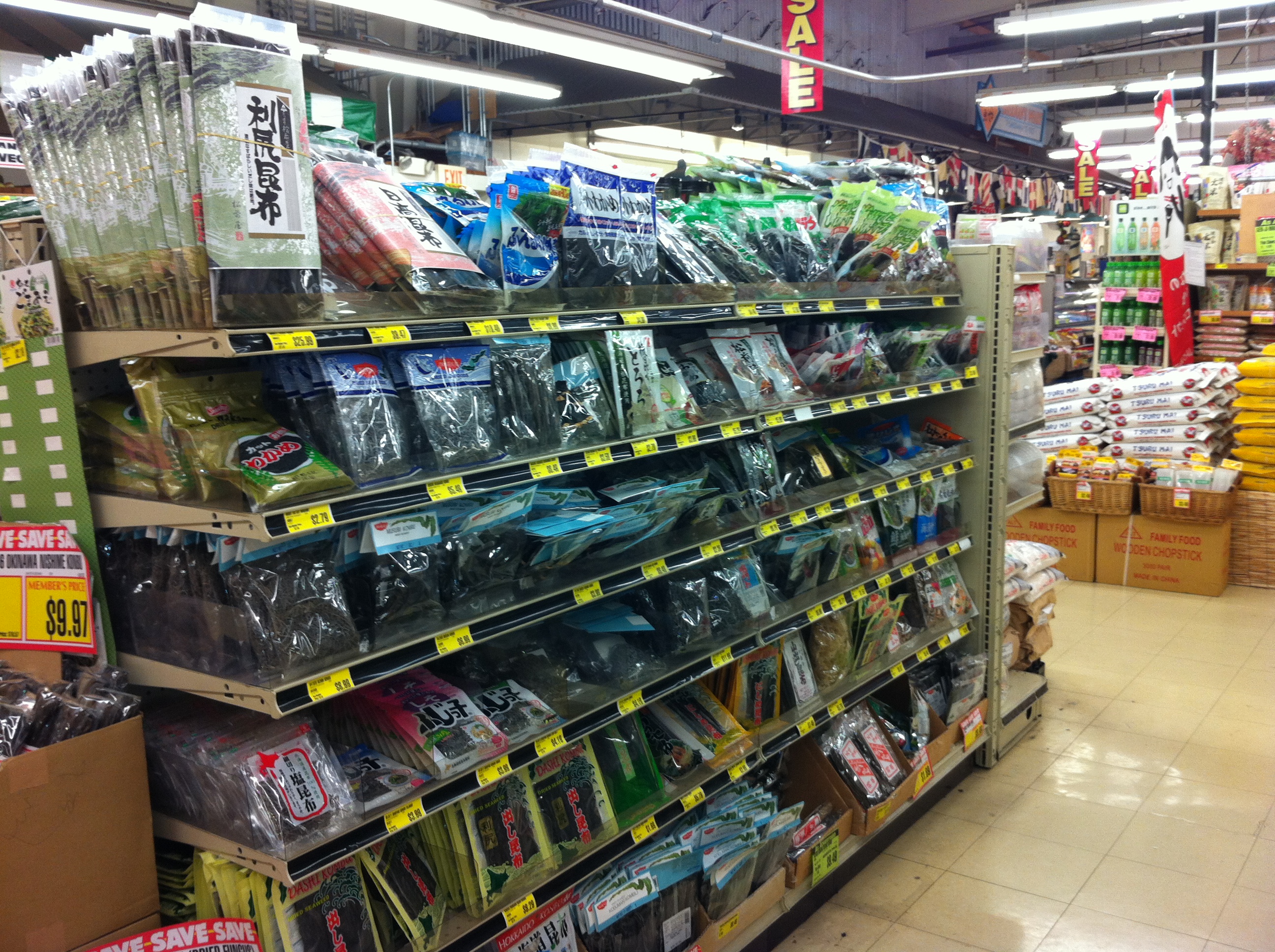
We are all familiar with seaweed-wrapped sushi, but did you know that there are as many varieties of edible seaweed (different shapes, colors and textures) as there are different kinds of vegetables? I recently had an opportunity to visit an amazing Asian market in Honolulu. Amid rows of delicate porcelain rice bowls, bamboo steamers, and chopsticks, there were four aisles of dried and processed seaweed products for sale! I realized how little I knew about the various types and their uses and decided to explore them and report on what I learned.

One of the seaweed aisles in the Asian market

One of the seaweed aisles in the Asian market

First of all, let’s be honest – seaweed is algae. But not all algae is created equal. Edible seaweed is marine seaweed from a salt water source. Seaweed, or algae, from fresh water is toxic. These are a few of the more common types of edible seaweed.

Nori
This is the most familiar seaweed because it’s in sushi, like futo maki or California rolls. It is readily available in supermarkets as dried, flat sheets. You can also add this edible seaweed to soups (like miso soup), bread (like laver bread), and it can be moistened and added to salads. Nori has the highest protein compared to the rest of the seaweeds and is rich in calcium, iodine, iron, phosphorous, potassium, manganese, copper, zinc and Vitamins A, B, C, E and K.

Dulse
Dulse is red algae and is shaped like a hand, which is how it got the genus name, Palmaria.
What’s it taste like? It has a salty flavor and is mildly spicy. It is slightly chewy when rehydrated. This edible seaweed is excellent in soups, salads and stir-fried dishes. Extremely high in Vitamins B6 and B12 (antioxidants), dulse also contains Vitamin C, E and A, iodine, calcium, magnesium, protein and dietary fiber.

Hijiki
Hijiki looks like black noodles when it is dried. It has to be rehydrated before use, so you need to soak it for a few minutes. Hijiki, like most dried seaweeds, expands in size and can be used in casseroles, stews, chopped in burgers, salads and eaten as a snack food. Hijiki is high in calcium and fiber.

Sea Lettuce
Sea Lettuce resembles the look of leaf lettuce and is quite common in ocean waters. This edible seaweed has a strong seafood taste and odor and is slightly pungent. It is quite delicate after drying and crumbles easily. Best added to soups, salads or eaten as a snack, sea lettuce provides roughage for our digestive systems. High in iron, sea lettuce also contains Vitamins A, B1 and C, sodium, potassium, magnesium, and calcium.

Sea Grapes
Sea grapes are also known as “green caviar” and are often seen floating in marine waters or washed ashore on coastal beaches. Sea grapes have a soft, succulent texture, well – like grapes. They are usually eaten raw with vinegar as a snack or in a salad.

Kelp
The three most familiar types of kelp, primarily used in Japanese or Korean dishes as well as in raw recipes, are arame, kombu, and wakame.

Arame is dark brown kelp and stringy in texture. Normally sold dried, it needs to be soaked for about three minutes before using. It tastes somewhat sweet and nutty and is good with beans, grains or noodles, in salads, stews, casseroles and eaten as a snack. Arame is rich in iron, calcium, potassium and iodine.

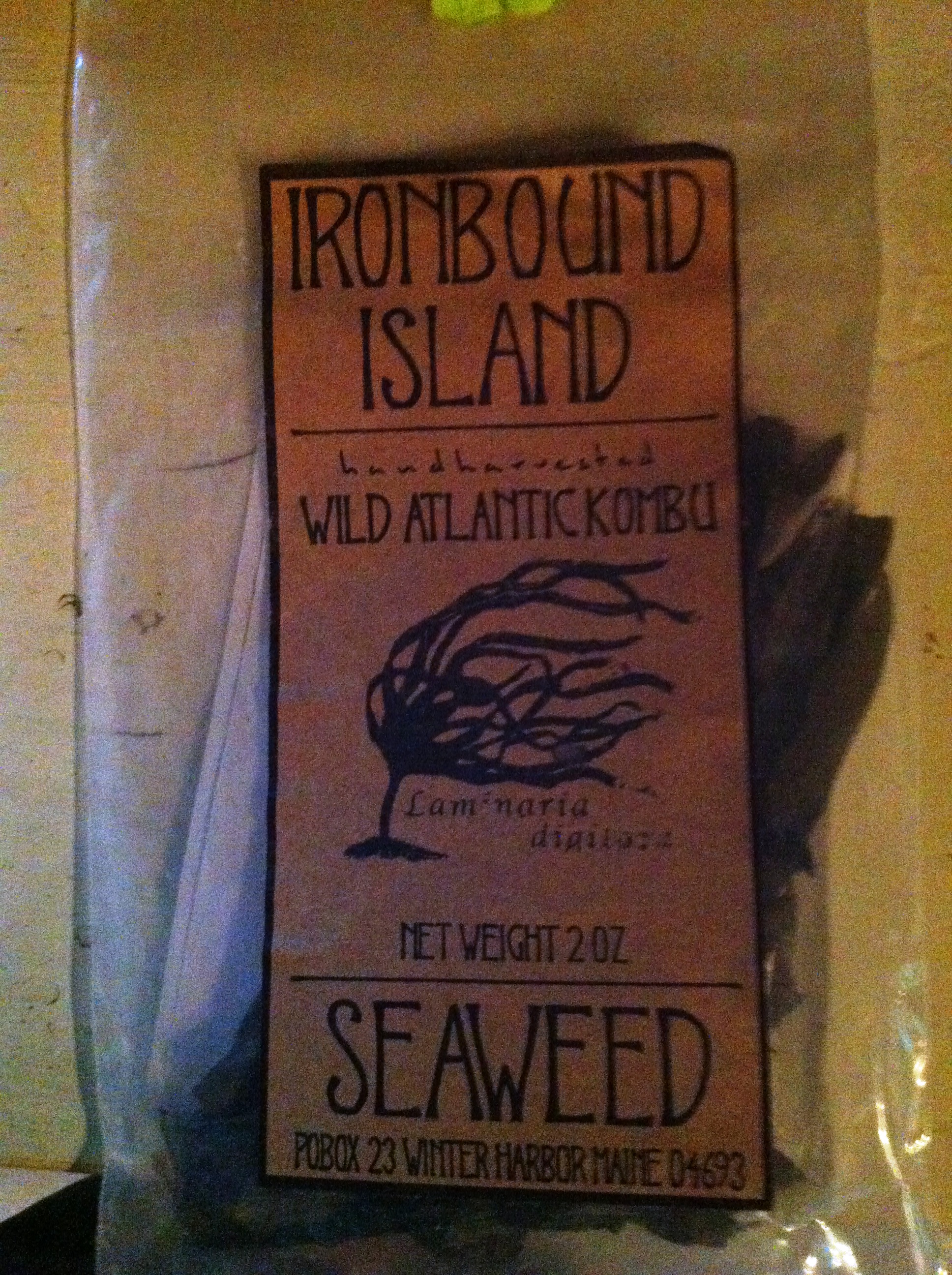
Kombu, when roasted, has a taste similar to that of bacon. So, it tastes delicious and is packed with nutrients such as calcium, carotene, iodine, iron, magnesium, phosphorous, potassium, protein, sodium, and vitamins A, C, D, E, K.

Dried Kombu

Dried Kombu

Wakame contains one of the highest sources of calcium. It is dark green or sometimes brown in color. Excellent in casseroles, soups and stews. It is also good when added to brown rice during cooking.

Salcornia

Ocean asparagus

Ocean asparagus

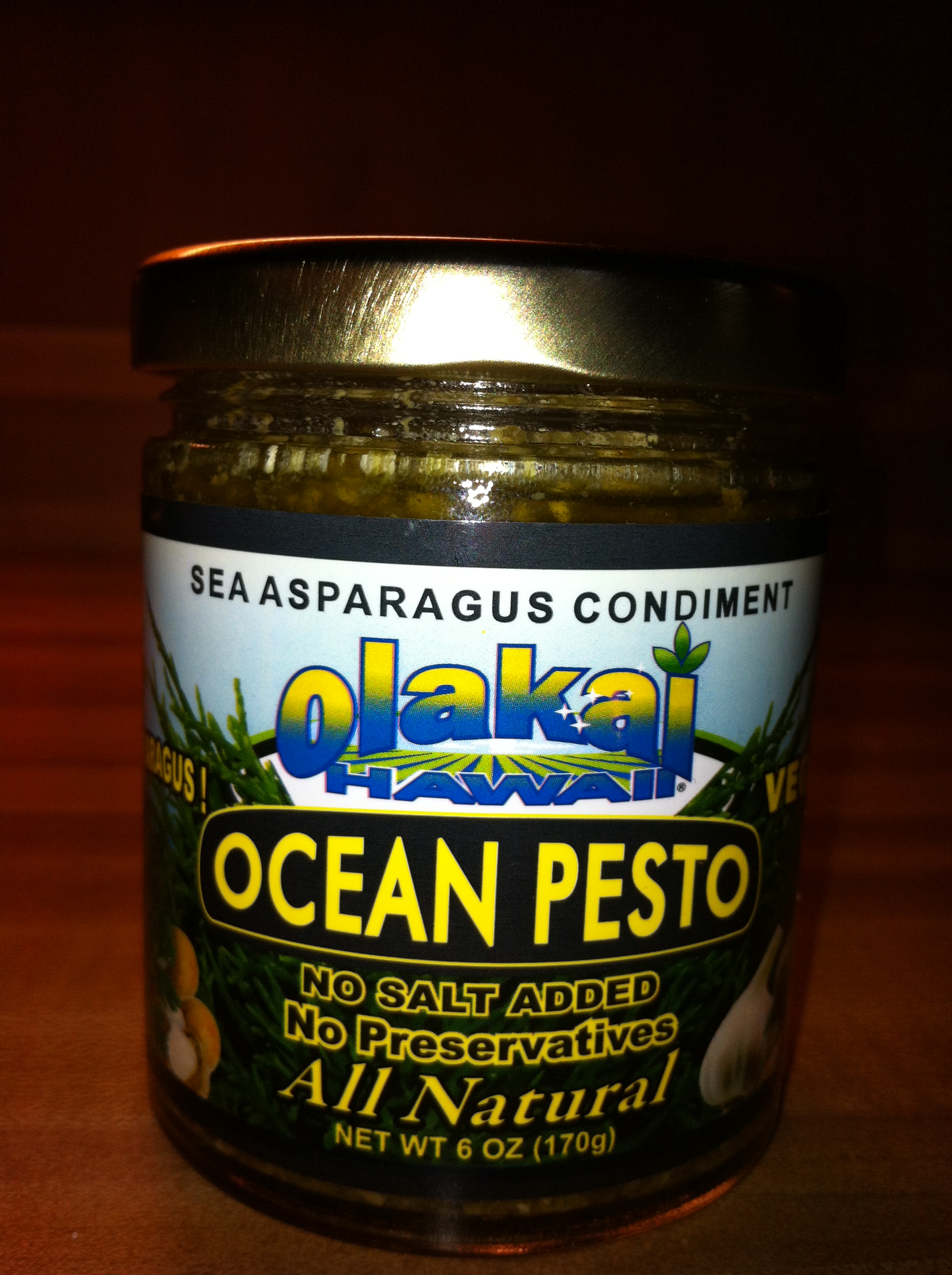
Salcornia is also known as glasswort, pickleweed or marsh samphire and is called “samphire greens” in Canada, “crow’s foot greens” in Nova Scotia, “sea beans” in the US and sea or ocean “asparagus.” It generally grows in brackish water near the edge of the ocean, but is now being cultivated as a hydroponic crop, growing on floating platforms in Hawaii.

Salcornia is very salty and needs to be cooked in plenty of water without any added salt. It has a hard, stringy core, and after cooking, the edible flesh is pulled off from the core. This flesh has the flavor and texture of young spinach stems or asparagus and is reported to have anti-flatulence properties. In some countries, it is used as fodder for cattle, sheep, goats and donkeys. The ashes of salcornia were once used as a source of soda ash for glassmaking and soap making.

And don’t forget – National Seaweed Day is February 6!

Resources
http://www.oceanvegetables.com
en.wikipedia.org
archives.starbulletin.com/seagreens

Week 7: Exotic Fruit

I recently had an opportunity to sample some unusual fruit and wanted to share information about them with you.

DRAGON FRUIT

Dragon fruit exterior

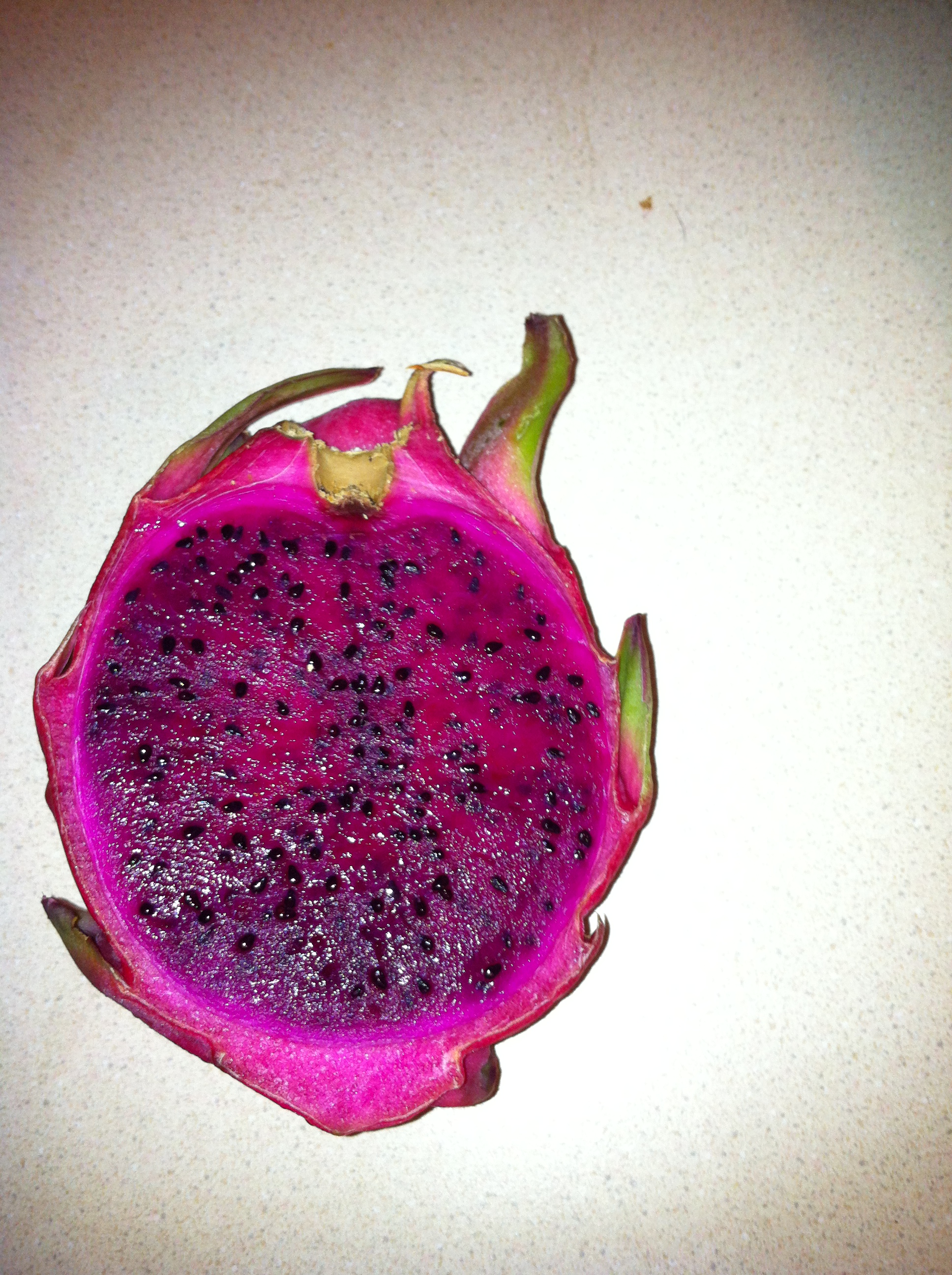
Dragon fruit, also known as pitaya (or pithaya), is the fruit of a cactus and is primarily cultivated in Southeast Asia. It can be found in Cambodia, Thailand, Taiwan, Malaysia, Indonesia, Vietnam, Sri Lanka, China, Okinawa and Hawaii. They are also grown in Israel, Cyprus, and Australia. It likes dry, tropical climates with a moderate amount of rain. The cactus is like a rambling vine, sometimes 10 feet long, and only blooms at night with large, fragrant flowers. It generally blooms 3-6 times a year and is pollinated by bats or moths. The fruit can be red with white or red pulp or yellow with white flesh. I found the dragon fruit to be mildly sweet fruit with crunchy black seeds which liken it to a kiwi.

[caption id="attachment_561" align="aligncenter" width="224"]Dragon fruit interior Dragon fruit interior


Dragon fruit exterior[/caption]

Dragon fruits are available in markets like Whole Foods in the U.S. and sell for $4-$6 each.

Health Benefits

Dragon fruits are one of the most nutritious of exotic fruits – low in calories with an abundance of nutrients, including Vitamin C, phosphorus, calcium, plus fiber and antioxidants. Although the thick peel is not eaten, it contains polyphenols which have cancer inhibiting properties.

Culinary Uses

Dragon fruit can be eaten plain or added to a fruit salad. It is also popular added to beverages. Skyy introduced a dragon fruit flavored vodka a couple of years ago. Celestial Seasonings offers Green Tea with Dragon Fruit. Lite Pom features pomegranate juice paired with dragon fruit and Dragon Kiss is a new pitaya-tinged cream liqueur. Have you had Vitamin Water’s Power C flavor? That’s dragon fruit!

DURIAN

Durian

Durian

Also known as the “King of Fruits,” Durian has a very particular odor, a unique taste and is covered by a hard husk. Having a disagreeable smell often likened to skunk spray or sewage, and described by travel writer Richard Sterling as smelling like “pig-shit, turpentine and onions, garnished with a gym sock,” the fruit is forbidden in hotels and public transportations in Southeast Asia. The fruit can grow as large as 12 inches long and 6 inches in diameter, and it typically weighs 2 to 7 pounds. Depending on the species, it ranges in color from green to brown with the flesh pale yellow to red. Durians are seasonal fruits and are available June to August. In the US, they cost between $8 to $15 each.

The first written account of eating a durian was recorded by the British naturalist, Alfred Russel Wallace, in which he described the flavor as a ” rich custard highly flavoured with almonds.” I thought the interior was very slimy with an overly sweet flavor, although it was a lot like custard.

Health Benefits

Durian fruit contains a high amount of sugar, vitamin C and potassium, and the amino acid trytophan. The Javanese believe the durian to have aphrodisiac properties, and an Indonesian saying durian jatuh sarung naik, means “the durian falls and the sarong comes up”, refers to this belief.

Culinary Uses

Durian fruit is used to flavour a wide variety of sweet edibles such as traditional Malay candy, ice kacang, dodol, and lempuk rose biscuits, ice cream, milkshakes, moon cakes and Yule logs. Red-fleshed durian is traditionally added to sayur, an Indonesian soup made from freshwater fish. In Thailand, durian is often eaten fresh with sweet sticky rice, and blocks of durian paste are sold in the markets. Unripe durians may be cooked as a vegetable. When durian is minced with salt, onions and vinegar, it is called boder. The durian seeds, which are the size of chestnuts, can be eaten whether they are boiled, roasted or fried in coconut oil with a texture similar to a sticky taro or yam. Young leaves and shoots of the durian are occasionally cooked as greens and the husk fo the durian is used to smoke fish.

RAMBUTAN

Rambutan

Rambutan

Rambutan is the fruit of an evergreen tree which grows in warm climates on hillsides that provide good drainage. The tree is native to Malaysia and Southeast Asia, and the name comes from the Malay word rambut which means “hair.”

Rambutans are red, covered with fleshy spikes, and have a white or pink interior. There is usually a single light brown seed, which is high in certain fats and used in cooking and making soap. Rambutan roots, bark, and leaves have various uses in medicine and in the production of dyes.

The fruit only ripens on the tree, is sweet and juicy, reminiscent of a grape, and is commonly used in jams or is available canned. I had the canned variety which did taste a lot like a peeled grape.

To open the rambutan, cut part way through and all the way around with a sharp knife and remove the rind. Squeeze the rind slightly and the fruit will pop out. You should discard the seed, because it is bitter.

Health Benefits

Rambutans are high in vitamin C, plus copper, manganese, and trace elements of many other nutrients such as potassium, calcium, and iron. The fruit is reported to kill intestinal parasites, and it may also aid in lessening symptoms of diarrhea. Malaysian healers also use parts of the rambutan to treat fevers.

Resources

http//:en.wikipedia.org
http://thaifood.about.com
New York Times. “A Fruit with a Future.” May 11, 2011
http://www.exoticfruitx.com
http://www.livestrong.com
http://www.naturalfoodbenefits.com
http://www.rambutan.com