Week 19: Chilies vs. Peppers

Five-Peppers-Colors-1

What is the difference between chilies and peppers? They are actually the same thing and are differentiated by their potency. Chili peppers are fruit from the plant from the genus Capsicum which are members of the nightshade family. Chili peppers have been a part of the human diet in the Americas since at least 7500 BC. They originated in the Americas and there is archaeological evidence at sites located in southwestern Ecuador that chili peppers were cultivated more than 6000 years ago. A physician on Columbus’ second voyage to the West Indies in 1493, brought the first chili peppers to Spain and first wrote about their medicinal effects in 1494. They were likely introduced to Asia by Portuguese traders in the 16th century.

 Peppers are commonly broken down into three groupings: bell peppers, sweet peppers, and hot peppers. The substances that give chili peppers their intensity when ingested or applied topically are capsaicin and related chemicals, referred to collectively as capsaicinoids. When consumed, capsaicinoids bind with pain receptors in the mouth and throat that are responsible for sensing heat. These receptors send a message to the brain that the person has consumed something hot and the brain responds to the burning sensation by raising the heart rate, increasing perspiration and releasing endorphins.

 The “heat” of chili peppers was historically measured in Scoville heat units (SHU), a method developed in 1912, which is a measure of the dilution of an amount of chili extract added to sugar syrup before its heat becomes detectable to a panel of tasters; the more it has to be diluted to be undetectable, the more powerful the variety and therefore the higher the rating. Smaller chili peppers are usually hotter than larger varieties.The modern method for measuring the SHU rating uses liquid chromatography.

 Some of the more common chili peppers are:
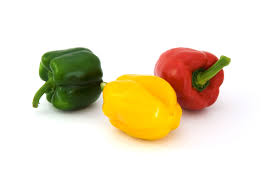
 bell peppers

Bell Pepper- (SHU 0) red, green and yellow varieties add color and texture to recipes.

 cayenne

Cayenne – (SHU 30,000-50,000) often used in Cajun recipes.  Green cayenne peppers ripen in the summer, while hotter red cayenne peppers come out in the fall. They are also dried and ground.

 chipotle

Chipotle – (SHU 3,500-8,000) a smoked, dried whole jalapeno pepper, usually canned.

 ghost pepper

Ghost Pepper (SHU 855,000-1,463,700) – the hottest of all peppers, with no culinary nor medicinal uses.

 habanero

Habanero – (SHU 100,000-350,000) extremely hot chiles with a fruity flavor.

 japenos

Jalapeno – (SHU 3,500-8,000)  spicy chiles with rich flavor.  Green jalapenos are best in the late summer, while red jalapenos appear in the fall.  Canned jalapenos aren’t as fiery as the fresh ones.

 poblano

Poblano –  (SHU 1,000-2,500) These mild, heart-shaped peppers are large and have very thick walls, which make them great for stuffing.  They’re best in the summer.

Paprika peppers in Central Market in Budapest

Paprika peppers in Central Market in Budapest

Paprika – (2,500-8,000) Common in Hungarian cuisine. Usually sold dry or ground, with some versions smoked.

 scotch bonnet

Scotch Bonnet – (SHU 100,000-350,000) almost indistinguishable from the habanero, except that it’s a bit smaller;  popular in the Caribbean.
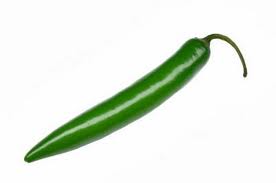
 serrano

Serrano – (SHU 10,000-23,000) These have thin walls, so they don’t need to be charred, steamed, and peeled before using.
 banana pepper

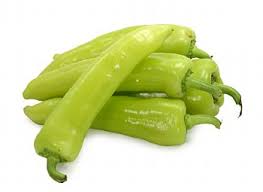
Sweet Banana Pepper – (SHU 100-900) long, thin-skinned yellow pepper with a mild, fruity flavor often used in salads.

 Culinary Uses

Chili peppers are used both fresh or dried. The leaves of every species of Capsicum are edible and do not contain any toxins. They are often cooked as “greens” or added to soups. Fresh or dried chilies are often used to make hot sauces that can be added to other foods to add spice.

Red chilies contain large amounts of Vitamin C and small amounts of Vitamin A. Yellow and especially green chilies (which are essentially unripe fruit) contain a lower amount of both substances. In addition, peppers are a good source of most B vitamins, in particular Vitamin B6 and are very high in potassium, magnesium, and iron.

Chili peppers contain oils which can burn skin and especially eyes. Avoid direct contact as much as possible. Many cooks wear rubber gloves while handling chilies, or generously grease your fingers with any kind of shortening (even the cooking sprays can help). In any case, after working with the chilies, be sure to wash your knives, cutting board and anything else thoroughly with hot soapy water.

 Medicinal Uses

Although chilies have been used as a topical analgesic to ease the pain of arthritis, herpes zoster (cold sores) and headaches, a study done in 2008 linked it to skin cancer. Capsaicin extracted from chilies is used in pepper spray.

Resources

allrecipes.com

culinaryarts.about.com

Wikipedia

Rosemary Shortbread Cookies

IMG_1725

Ingredients:
2 c all-purpose flour
3/4 t salt
1/2 t baking powder
1 T chopped fresh rosemary
3/4 c (1 1/2 sticks) butter, softened
2 tablespoons honey
1/2 c powdered sugar
1 T sugar

Directions:

Preheat oven to 300°F. Blend together flour, salt, baking powder, and rosemary in a bowl.

Using an electric mixer, combine butter, honey, and powdered sugar at low speed. Add flour mixture and mix until dough resembles coarse meal. Gather dough into a ball and transfer to a lightly floured surface. Knead dough until it just comes together, about 8 times. Divide the dough in half.  Set one half of the dough aside at room temperature while you work with the other half.  The dough will be sticky. To make it easier to handle, roll out half of the dough between 2 sheets of parchment paper or waxed paper until it is 1/4 inch thick. Remove the top sheet of parchment paper or waxed paper. Use a floured cookie cutter to cut shapes in the dough. Transfer to a baking sheet with a spatula. Sprinkle dough with 1/2 T of sugar. Roll out the remaining dough in the same manner.

Bake shortbread in middle of oven until golden brown, 20 to 25 minutes. Slide shortbread on parchment to a rack and cool 5 minutes.

Week 18: Rosemary

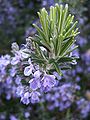
Rosemary is a perennial herb with fragrant, evergreen, , needle-like leaves and white, pink, purple, or blue flowers.  The name “rosemary” derives from the Latin word ros for “dew” and  marinus for “sea”  or “dew of the sea”. Rosemary is used as a decorative plant in gardens and can grow quite large and retain attractiveness for many years.  It can be pruned into formal shapes and low hedges, and therefore is used for topiary. Rosemary also has many medical and culinary uses.

90px-Rosmarinus_officinalis133095382

Health Benefits

In the lab, rosemary has been shown to have antioxidant properties. Antioxidants can neutralize harmful particles in the body known as free radicals, which damage cell membranes, tamper with DNA, and even cause cell death. Also in the lab, rosemary oil appears to have antimicrobial properties (killing some bacteria and fungi in test tubes).

Rosemary contains substances that are useful for stimulating the immune system, increasing circulation, improving digestion, relieving heartburn, flatulence, liver and gallbladder complaints, and loss of appetite. It is also used for gout, cough, headache, and high blood pressure. It improves blood flow to the head and has a reputation for improving memory and has been used as a symbol for remembrance during weddings, war commemorations and funerals in Europe and Australia. During the Middle Ages, a bride would wear a rosemary headpiece and the groom and wedding guests would all wear a sprig of rosemary, and from this association with weddings, rosemary evolved into a love charm. Newlywed couples would plant a branch of rosemary on their wedding day. If the branch grew, it was a good omen for the union and family.

Rosemary is applied topically to the skin for preventing and treating baldness; and treating circulation problems, toothache, eczema, and joint or muscle pain, such as myalgia, sciatica, and neuralgia. It is also used for wound healing, in bath therapy, and as an insect repellent.

Culinary Uses

Native to the Mediterranean region, rosemary leaves are used as a fragrant flavoring in foods such as eggs, potatoes, roast lamb, pork, chicken and turkey. Rosemary is high in iron, calcium and vitamin B6.

Fresh rosemary should be stored in the refrigerator either in its original packaging or wrapped in a slightly damp paper towel. You can also place the rosemary sprigs in ice cube trays covered with either water or stock that can be added when preparing soups or stews. Dried rosemary should be kept in a tightly sealed container in a cool, dark and dry place where it will keep fresh for about six months.

Resources

http://www.botanical.com

http://www.herbco.com

https: //umm.edu/health

http://www.webmd.com

Wikipedia

St. Kitts and Nevis

The warm glow of the mid-day sun caressed our faces as we disembarked the American Airlines flight that had brought us to St. Kitts.  It was winter in Boston and the surrounding countryside had been blanketed in deep snow drifts. when we departed. We peeled off layers of sweaters and our down jackets to embrace the 80 degree temperatures.  After we cleared customs and immigration, we took a taxi to the public ferry terminal along the waterfront and awaited our departure for Nevis.

IMG_1685

St. Kitts and Nevis comprise an island nation of approximately 47,000 people, mainly of African descent.  It is one of the Leeward Islands in the West Indies and is located 1,300 mi southeast of Miami, Florida. Formerly known as St. Christopher Island, St. Kitts was discovered by Christopher Columbus and claimed for Spain in 1493. The first English colony was established in 1623, followed by a French colony in 1625. The island alternated repeatedly between English and French control during the 17th and 18th centuries, as one power took the whole island, only to have it switch hands due to treaties or further military action. Parts of St. Kitts were heavily fortified, as exemplified by UNESCO World Heritage Site at Brimstone Hill and the now-crumbling Fort Charles. It was in 1783 that the island became British for the final time. The island originally produced tobacco, but changed to sugar cane in 1640 due to stiff competition from the colony of Virginia. The labor-intensive farming of sugar cane was the reason for the large-scale importation of African slaves. The importation began almost immediately upon the arrival of Europeans to the region. Sugar production continued to dominate the local economy until 2005, when, after 365 years as a monoculture, the government closed the sugar industry.  Tourism is the primary industry today and the islands are a destination for major cruise lines.

Crossing the two-mile channel between the islands took about 45 minutes. Nevis is less developed that St. Kitts.  Goats and donkeys run wild and an occasional Green Vervet monkey can be seen crossing the 19-mile road that rings the island.

IMG_1684

Nevis is dominated by the volcanic peak of Mount Nevis in the center and is fringed on its western and northern coastlines by sandy beaches that are composed of a mixture of white coral sand with brown and black sand which was eroded and washed down from the volcanic rocks that make up the island. Nevis is of particular historical significance to Americans because it was the birthplace and early childhood home of Alexander Hamilton. For the British, Nevis is the place where Horatio Nelson was stationed as a young sea captain, and is where he met and married a Nevisian, Frances Nisbet, the young widow of a plantation-owner.

We transferred to a taxi in the port town of Charlestown and headed for our hotel, the Nisbet Plantation, childhood home of Fanny Nisbet.  Palm trees and brightly-colored cement homes dotted the roadside and flowering trees and shrubs complemented the landscape. We were greeted at the hotel, which bills itself as the only plantation resort on the beach, by the manager and complimentary rum punches. Nisbet Plantation boasts the Great House with its wide porch and formal restaurant, 38 duplex-style cottages with Caribbean decor, beach bar, surrounded by palm-thatched cabanas along the beach, pool, tiled hot tub, and the pool side cafe where breakfast is served. Although our cottage had air-conditioning, we opted to open the plantation shutters and enjoy the sea breezes.

IMG_1713


IMG_1703

The beaches on Nevis are not renowned for snorkeling, although snorkeling equipment was available at the hotel where we stayed.  The surf is rough and coral reefs are few and far between. Places to rent bicycles, kayaks and small catamarans are plentiful, but our goal was to relax and read on the beach or to venture inward and do some hiking in the rain forest.

IMG_1674

We discovered that the meals at Nisbet Plantation were outrageously expensive and every place on the island added 22% that comprised a 10% service charge with 12% government-mandated fees. As we were not participating in the meal plan because we enjoy exploring and sampling the local fare, we were free to roam and discovered that Oualie Plantation Resort just up the road offered a delicious and more-reasonably priced breakfast which featured a sumptuous Calypso omelet (peppers and onions in a spicy tomato-based sauce) that we preferred. Another option for breakfast was the Fancy Jamaican Bakery in Charlestown which served hot “patties” or crispy turnovers filled with beef, chicken or cheese.

IMG_1671

Our hike up Mount Nevis, a dormant volcano in the rain forest, was the most challenging we have ever done – slippery, muddy trails only a foot wide on the edge of plunging cliffs! We rappelled down one steep slope with a rope that was tied in place, did some nearly horizontal rock climbing to keep from falling off the hillside, traversed old stone steps and rickety, corroded iron ladders. Took us 5 hours and we returned to the Golden Rock Plantation Inn for a much-deserved rum & ginger at the end of the day.

IMG_1694

The iron ladder on the Mount Nevis hike

The iron ladder on the Mount Nevis hike

The Golden Rock Plantation Inn  was surrounded by luscious gardens with a majestic view of Nevis Peak. The cut stone sugar mill, since converted to hotel accommodations and an open air restaurant, dated back to the early 1800s. It was magnificent and we enjoyed our most memorable meal there a few days later. We wish we had discovered it sooner and would definitely consider staying in one of their 19 unique cottages should we ever return to Nevis.

IMG_1706

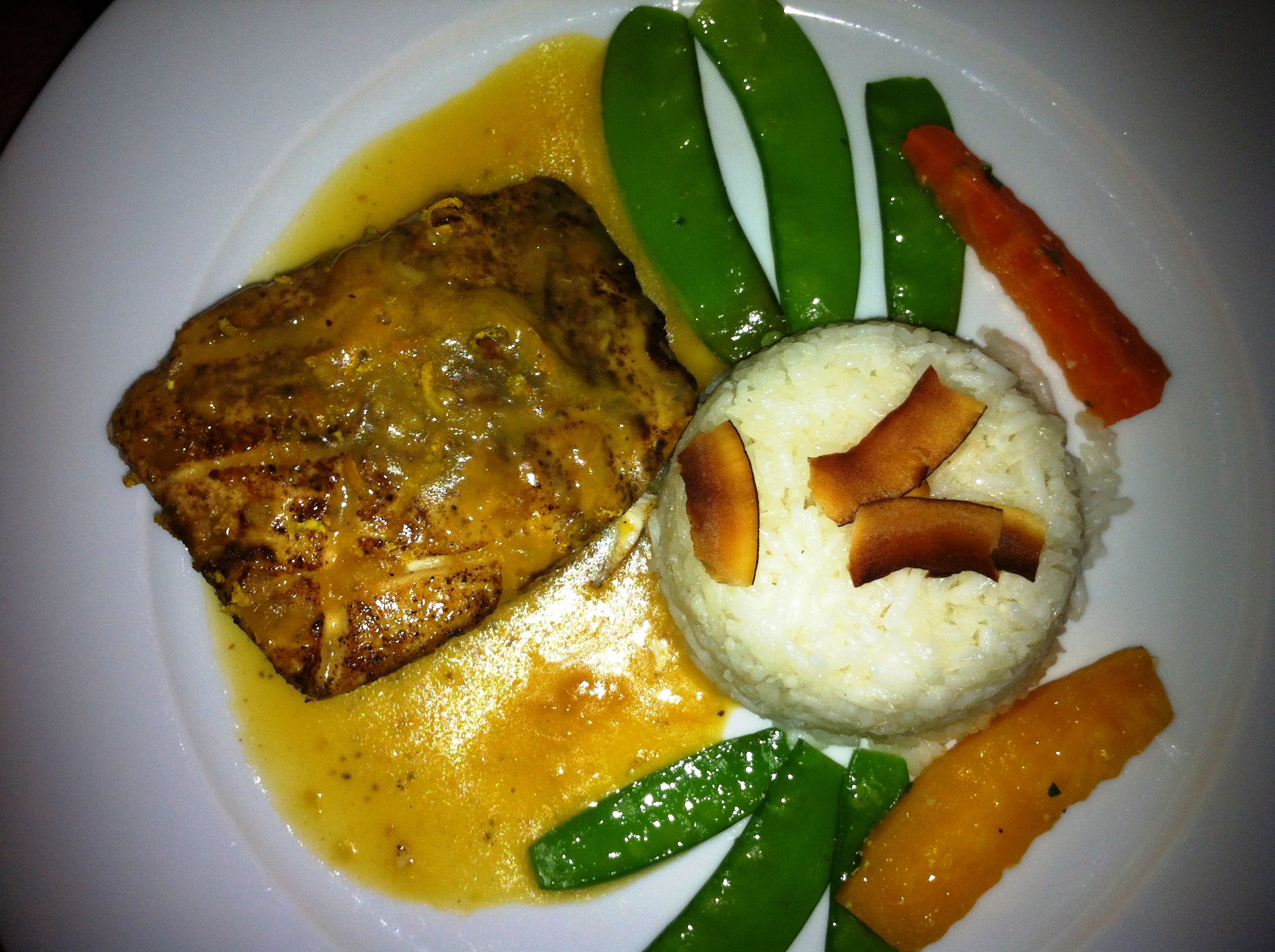
Mahi Mahi in an orange citrus sauce with coconut rice

Mahi Mahi in an orange citrus sauce with coconut rice

Reluctantly, the week ended all too soon, although it was a wonderful vacation and a great break from a New England winter.

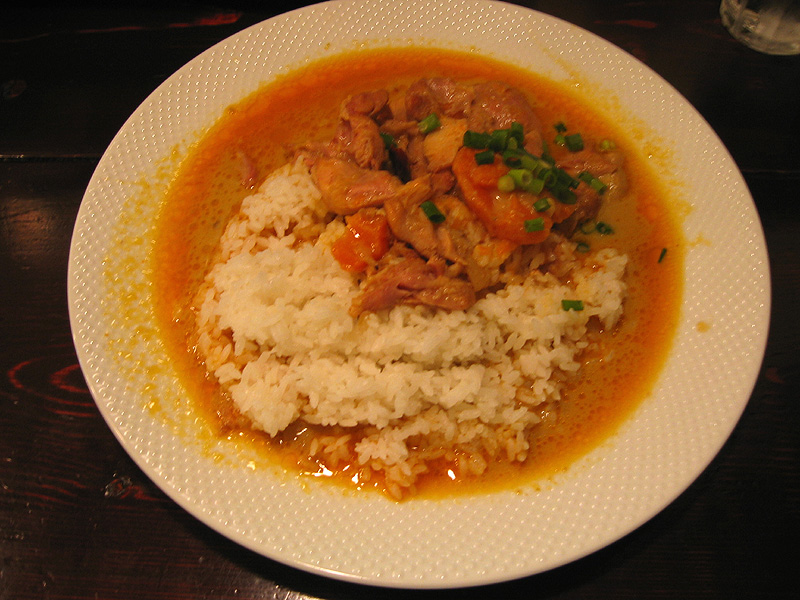
Thai Chicken Curry

Spicy and filling, this chicken curry is great on a cold winter day!

Chicken_curry_rice

Ingredients:

2 T. olive oil

1 clove garlic, minced

2 t. minced fresh ginger

1 large red bell pepper, cut into 1/3-inch-wide strips

1 1/4 teaspoons Thai red curry paste

2 T. curry powder

1 14-ounce can coconut milk

3 c. boneless chicken breast or thighs, cut into one-inch cubes

Salt

1 bunch scallions, thinly sliced

2 T. fresh  cilantro, leaves and stems chopped finely

Directions:

Saute garlic, ginger and bell pepper in olive oil in large skillet over medium-high heat until softened. Add 1/4 cup coconut milk, curry paste and curry powder and bring to boil, whisking constantly. Stir in chicken, remaining coconut milk, sugar and fish sauce. Cook about 7 minutes or until chicken is cooked through, stirring often. Season with salt.  Serve over hot rice. Garnish with scallions and cilantro.  Serves 4-6.

Week 17: Milk Alternatives

Milk is the best source of calcium and vitamin D for our bodies.  It promotes healthy bones and teeth too. But what if you’re lactose intolerant? Lactose intolerant means you can’t digest lactose, a type of sugar found in dairy products. What can you use on cereal in the morning or for baking? Here are some solutions for milk alternatives.

Almond Milk

almond milk

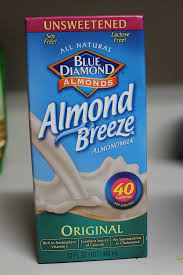
Almond milk is a beverage made from ground almonds. It does not contain any animal products, is cholesterol and lactose-free. It is slightly beige in color and often has added vanilla and sweeteners.  Historically, almond milk was used in medieval kitchens because it had a long shelf life and did not spoil.

Almond milk has less protein than cow’s milk, but it is rich in nutrients including fiber, vitamin E, magnesium, selenium, manganese, zinc, potassium, iron, phosphorus, tryptophan, copper, and calcium. Almond milk is available in unrefrigerated cartons with the Blue Diamond or Silk brand label.

Coconut Milk

coconut milk

Coconut milk is the liquid that comes from grated coconut. Coconut milk is used in many tropical cuisines and as a base for curries.  Coconut milk works well in baked goods and can be found canned or in cartons in the milk aisle. It has a high saturated fat content, but is rich in vitamins C, E, B vitamins, and minerals including iron, selenium, sodium, calcium, magnesium and phosphorous.

Rice Milk

Rice milk

Rice milk is usually made from brown rice and comes unsweetened. It is generally thinner in consistency than nut milks or soymilk, and it has a lighter, sweeter flavor that is good for use in cereal or coffee. Compared to cow’s milk, rice milk contains more carbohydrates, does not contain cholesterol nor lactose and does not contain significant amounts of calcium or protein. Commercial brands of rice milk are often fortified with vitamins and minerals.

Soy Milk

soy milk

Soymilk is not technically milk, but rather a beverage made from soybeans. It is the liquid that remains after soybeans are soaked, finely ground, and then strained. The earliest existence of soy milk is evidenced in a kitchen scene on a stone slab from China that dates to 25AD.  Soy milk is very prevalent in Asian households and is used to make tofu. “Sweet” and “salty” soy milk are both traditional Chinese breakfast foods, served either hot or cold, usually accompanied by steamed buns. One cup of unfortified soymilk contains almost 7 grams of protein, 4 grams of carbohydrate, 4½ grams of fat, and no cholesterol. Although soymilk supplies some B vitamins, it’s not a good source of B12, nor does it provide a significant amount of calcium.

Resources

http://www.bbcgoodfood.com

http://www.dairyfreecooking.com

http://www.fitday.com

http://www.latimes.com

http://www.supercow.com

http://www.wikipedia.com

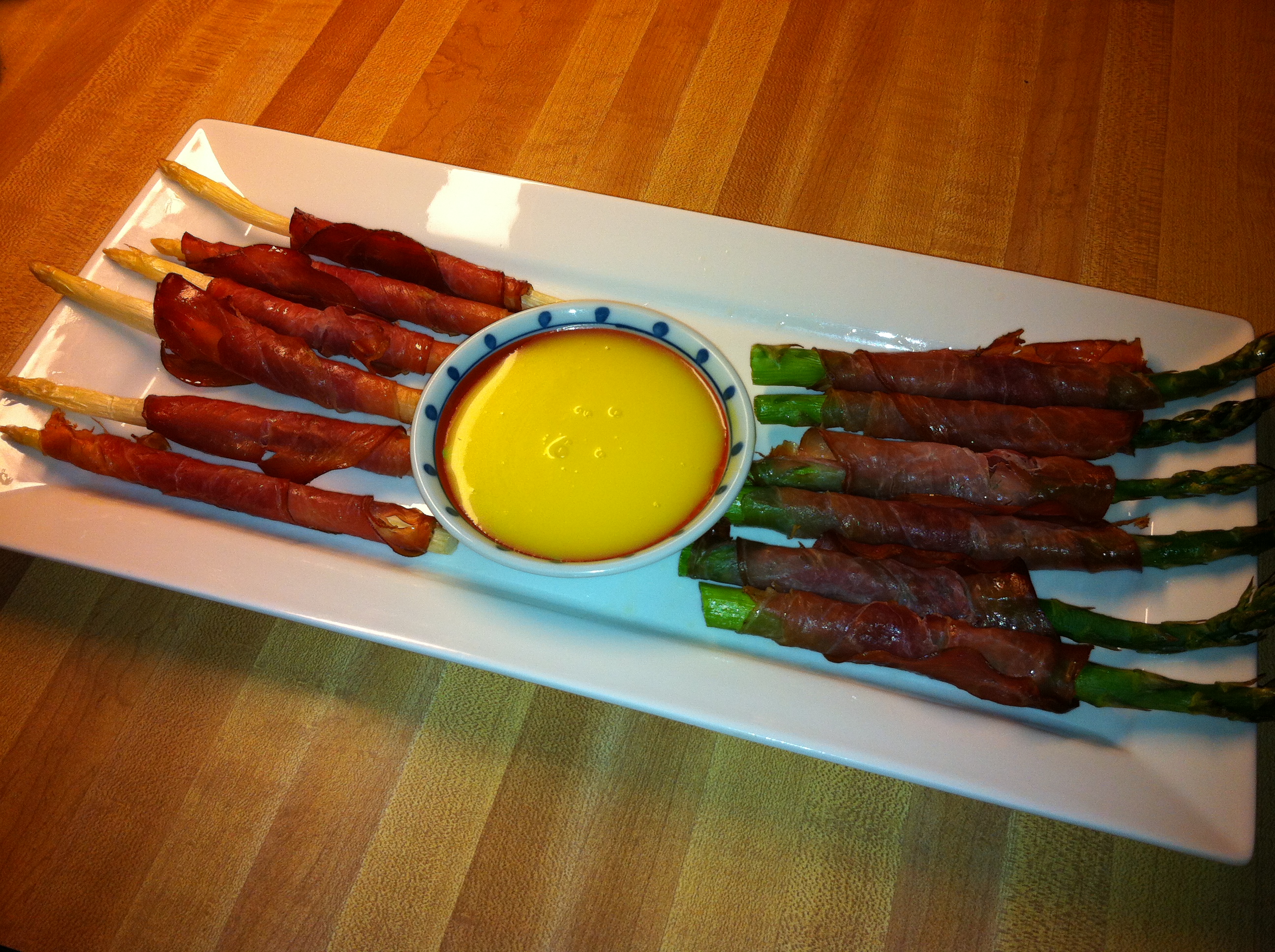
Proscuitto Wrapped Asparagus

The prosciutto adds saltiness and the asparagus spears are still a little crunchy.

IMG_1639

Ingredients:

20 spears of asparagus

20 slices of prosciutto

Hollandaise Sauce

2 egg yolks

1 T. lemon juice

4 T. butter

Directions:

Spray a baking sheet with non-stick baking spray or mist with olive oil.  Wrap each spear of asparagus with prosciutto, spiraling the prosciutto up the spear.  Arrange the asparagus on the baking sheet and bake in a preheated 400o F oven for 15 minutes.  Using tongs, carefully turn the asparagus spears over and return to oven for an additional 5 minutes.  For hollandaise sauce: Combine egg yolks, lemon juice and salt in blender on medium speed.  Place butter in a microwavable container and heat on high for 1 minute until melted and bubbling. Drizzle the melted butter a little at a time into the egg yolk mixture with the blender still on medium speed.  If the sauce should separate, reduce blender speed, add a little bit of lemon juice and continue mixing until it is creamy.  Serve prosciutto wrapped asparagus spears warm with hollandaise sauce for dipping.

Week 16: Asparagus

My husband and I visited Vienna, Austria a few years ago during the “Spargel Festival.” Spargel is the German word for asparagus. Spargelfests, celebrated from mid-April to mid-June, include peeling contests and even the crowning of an asparagus queen! We stayed at the Hotel im Palais Schwarzenburg surrounded by spectacular flower gardens in the center of Vienna. It is a real palace, a part of which was converted to a five-star hotel to help support its maintenance costs. One afternoon we rented bicycles for a ride along the Danube. Every restaurant in Vienna was offering menu items using tender stalks of white asparagus and we stopped at a riverside cafe for lunch. I enjoyed a creamy asparagus soup while my husband opted for a plate of steamed asparagus.  It was delicious!

We normally associate asparagus with spring as it is one of the earliest vegetable to emerge from the soil. But it is now available in markets year round and makes hearty soups, risottos and strudels to warm chilly winter nights.

IMG_1600

History

Asparagus has been used both as a vegetable and medicine since ancient times.  A recipe for cooking asparagus was found in one of the oldest surviving cookbooks, Apicius’s third-century AD De re Coquinaria,  Book III.  It was also depicted as an offering in a 3000 AD Egyptian frieze. Although asparagus was cultivated in France during the 16th century, it didn’t reach the United States until 1850.

Cultivation and Purchase

Asparagus is a perennial garden plant and member of the lily family.  Its spears from a crown that is planted about a foot deep in sandy soil, although it is usually not harvested until three years after planting.  A well cared for asparagus plant can live for 15 years, producing spears for about 6-7 weeks during the spring and summer. Asparagus spears can grow up to 10 inches in a 24-hour period and must be picked often.

There are three varieties of asparagus: the green asparagus we see most often in the supermarket, white asparagus (soil is heaped on the spears as they emerge which inhibits the development of chlorophyll content, therefore creating its distinctive white coloring), and purple asparagus (only 2-3 inches tall and fruitier in flavor).

When purchasing asparagus, look for straight spears that are not wrinkled or dried out. Although some people think the thinner stalks are more tender, that is not always true. White asparagus is very tender, although it must be peeled with a vegetable peeler, as the outside is fibrous and even woody at times.  Wrap asparagus spears in a damp paper towel or cloth and refrigerate until ready to cook. Do not keep asparagus for more than a day or two after purchase as it will dry out and become tough.

Health Benefits

Asparagus is a nutrient-dense food which in high in Folic Acid and is a good source of potassium, fiber, vitamin B6, vitamins A and C, and thiamin. Asparagus has no fat, contains no cholesterol and is low in sodium. It also contains saponins which are known to have anti-inflammatory and anti-cancer properties.

Resources

Wikipedia

World’s Healthiest Foods (www.whfoods.com)

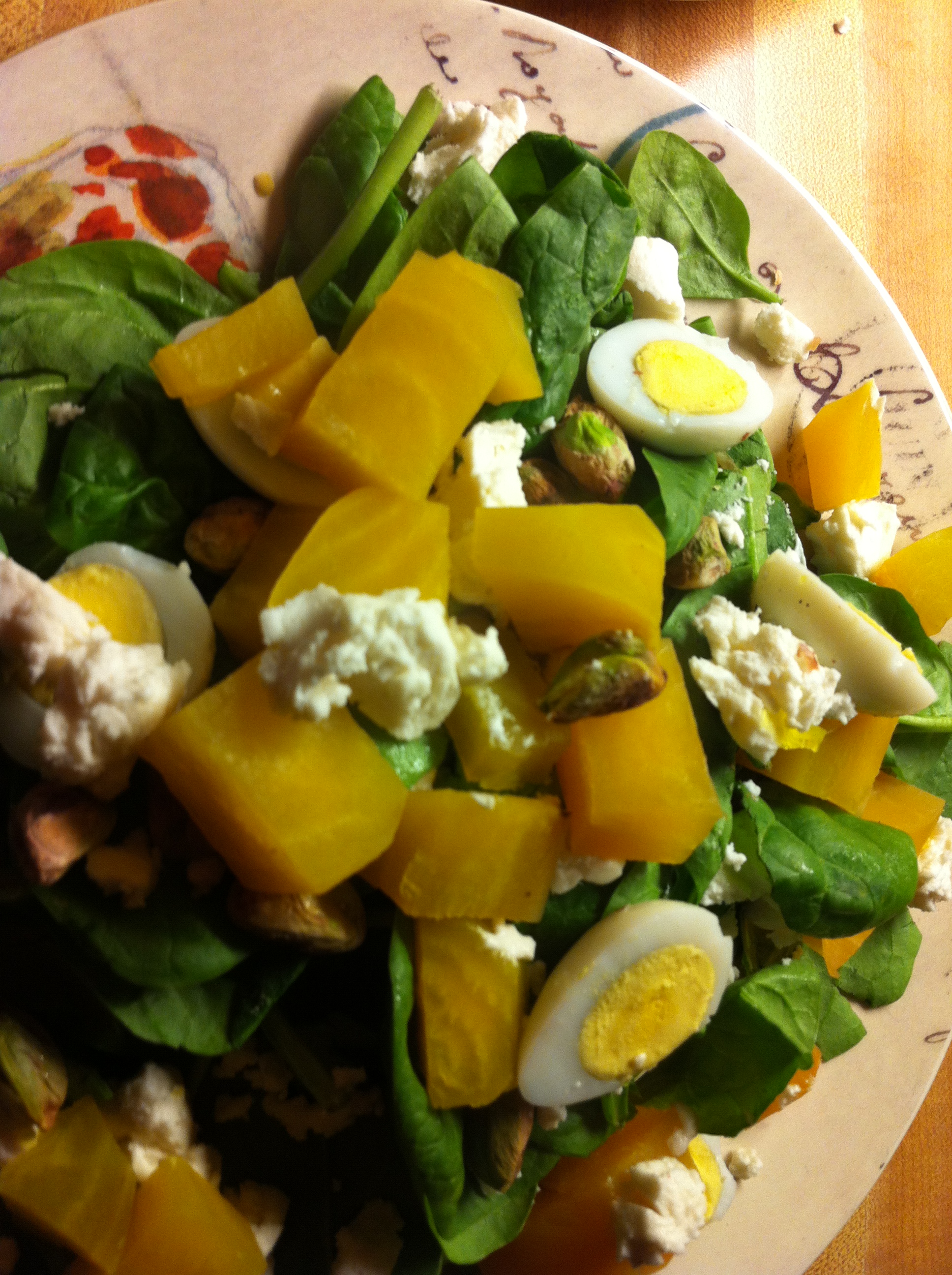
Golden Beet Salad with Quail Eggs, Goat Cheese and Pistachios

The goat cheese melts slightly with the hot beets and the pistachios add plenty of crunch.

IMG_1066

Ingredients:

6 c. baby spinach, stems removed

4 golden beets

8 quail eggs, hard boiled and peeled

4 oz. log of goat cheese, crumbled

1/2 c. pistachio nuts, shelled

Olive oil

Balsamic vinegar

Directions:

Divide baby spinach between four salad plates.  Cut cooked quail eggs in half lengthwise and arrange on baby spinach.  Peel golden beets, cut into 1/2 inch cubes and boil over medium heat until they are tender and can be easily pierced with a fork.  Drain. Arrange hot beets on baby spinach.  Garnish with goat cheese and pistachios. Dress with olive oil and balsamic vinegar. Serves 4.


Week 15: Root Vegetables


Root vegetables generally refer to any part of a root that is used for food and can include tubers, corms, bulbs and rhizomes – basically any part of the plant that grows below ground.  Root vegetables lend themselves well to cold storage and are generally served during the winter months. Most common root vegetables are carrots, turnips, beets, onions, parsnips, rutabaga, potatoes, and sweet potatoes but also include garlic, celery root, and ginger root,

Carrots

Historically carrots were grown for their seeds and leaves, although the taproot is the portion that we eat today. Carrots are usually orange, though purple, red, white, and yellow varieties exist. The modern carrot originated in Afghanistan about 1100 years ago.  Carrots contain no starch, are rich in Vitamin A, antioxidants and minerals.

Turnips

turnips

The most common turnip, which is also a taproot,  is mostly white-skinned where it is grown underground and reddish or purplish where it is exposed to sunlight. The interior flesh is entirely white.  Turnip “greens” or leaves are also eaten. At one time, lanterns made from hollowed-out turnips were used for Halloween and in Nordic countries, the turnip was a staple before potatoes were introduced. Turnips are high in Vitamin C.


Beets

golden beets 

The beet is another taproot that is eaten, as are the beet greens. Beets are generally red although yellow varieties are also popular.  In Eastern Europe beet soup, known as borscht, is common. Beets are antioxidant, anti-inflammatory, and aid in detoxification. They help protect against heart disease, birth defects and certain cancers, especially colon cancer.


Onions

The onion bulb is cultivated as a vegetable, although it is generally used as a meat or vegetable accompaniment and rarely served alone. They are very pungent when cut and contain compounds that irritate the eyes. Onions come in white, yellow and red varieties.  In the Middle Ages, onions were thought to be such important vegetables that they were given as gifts and used to pay rent. Gladiators were rubbed down with onions to firm their muscles, and at one time onions were considered a remedy for hair loss and snakebites. Onions have potential anti-inflammatory, anti-cholesterol, anticancer and antioxidant properties


Parsnips

 parsnips

The parsnip is a cream-colored taproot that was once used as a sweetener before cane sugar was introduced to Europe. The sap of the parsnip plant is toxic and can cause chemical burns on skin. Parsnips are rich in vitamins and minerals, especially potassium. They have anti-inflammatory, antioxidant, anticancer and anti-fungal properties.

Rutabagas

The rutabaga is a cross between a cabbage and a turnip, and is thought to have originated in Scandinavia or Russia.  The roots and top are both edible and are also used as fodder for livestock. In the US, rutabaga is mostly eaten as part of stews and casseroled, served mashed with carrots, or baked in a pastry.  They are often part of a New England boiled dinner. Rutabagas are high in antioxidants, has anti-cancer properties, is high in Vitamin C and forms both collagen and the thyroid hormone thyroxine, which protect cells against damage, encourage wounds to heal, fight infections, and promote healthy bones, teeth, gums, and blood vessels.

Potatoes

The potato is an edible tuber introduced to North America from the Andes in the 1600s. Potatoes are the fourth largest food crop and there are over 5,000 varieties worldwide. They are best known for their carbohydrate or starch content which provides fiber and bulk. Potatoes provide protection against colon cancer, improve glucose tolerance and insulin sensitivity, lower plasma cholesterol and triglycerides, increases satiety, and possibly even reduces fat storage

Sweet Potatoes

The sweet potato is not related to the regular potato. It is an edible tuberous root with a smooth skin whose color ranges between yellow, orange, red, brown, purple, and beige. Its flesh ranges from beige through white, red, pink, violet, yellow, orange, and purple. Sweet potato varieties with white or pale yellow flesh are less sweet and moist than those with red, pink or orange flesh,  They originate from South America where remains of the sweet potato have been found that date to 8,000 BC. Sweet potatoes are rich in carbohydrates, Vitamin A, Vitamin C and potassium.


Resources

Wikipedia

http://www.thedailygreen.com

http://www.whfoods.com